


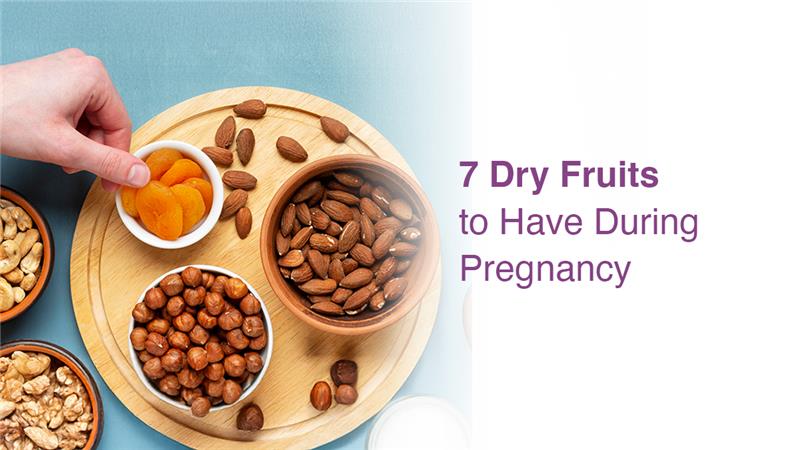
Pregnancy is a special journey where a mother’s body needs extra nutrition to support the growing baby. Food choices matter a lot during this time. One simple and powerful addition to your diet is dry fruits. They are small in size but packed with vitamins, minerals, protein, fibre, and healthy fats. These dry fruits for pregnancy can help the mother stay energetic, support the baby’s growth, and maintain overall health. The best part is that they are easy to carry, tasty to eat, and can be added to many recipes.
Why Dry Fruits Matter in a Pregnancy Diet
Dry fruits are loaded with nutrients that are essential during pregnancy. They work like natural supplements for the body.
- They provide vitamins like B-complex and vitamin E.
- They contain minerals like iron, calcium, zinc, and magnesium.
- They offer healthy fats for brain development.
- They support digestion with fibre and help control constipation.
Choosing dry fruits for pregnancy can help improve immunity, support fetal growth, and maintain a healthy weight.
Dry Fruits for Pregnancy Trimester Needs
Every trimester has specific nutritional needs. Dry fruits can support the body throughout:
- First Trimester: The body needs folic acid and iron. Raisins, dates, and figs are great choices.
- Second Trimester: Bone development is important. Almonds and apricots provide calcium and Vitamin D support.
- Third Trimester: Baby’s brain development peaks. Walnuts and pistachios offer omega-3 fats that support brain growth.
Eating dry fruits during pregnancy can help your body meet these changing nutritional demands.
7 Best Dry Fruits to Include During Pregnancy
Pregnancy increases your body’s nutritional needs, and adding the right dry fruits can give you a natural boost of energy and essential nutrients. These dry fruits are not only easy to snack on but also support your baby’s growth throughout all three trimesters.
-
Almonds
Almonds are rich in protein, healthy fats, and calcium. They support bone health for both mother and baby. They also help reduce hunger and keep your energy stable throughout the day. You can eat almonds, soaked or raw, depending on your comfort.
-
Walnuts
Walnuts are one of the best dry fruits for pregnancy because they are rich in omega-3 fatty acids. These fats support the baby’s brain development and help improve the mother’s mood. They also contain antioxidants that support immunity. Just 2–3 walnuts daily are enough.
-
Figs
Figs are loaded with calcium, potassium, and iron. They are known to improve digestion and relieve constipation, which is common during pregnancy. Eating figs can help maintain haemoglobin levels due to their natural iron content.
-
Dates
Dates are a natural energy booster. They contain fibre, iron, and essential vitamins. Dates can help support natural labour by strengthening the uterine muscles when consumed in the last trimester (after consulting your doctor). For daily use, 2–3 dates are ideal.
-
Raisins
Raisins are rich in iron and help maintain haemoglobin levels. They are especially useful if you feel tired or weak. They also support digestion and prevent constipation. Adding raisins to milk or oatmeal is a tasty way to consume dry fruits during pregnancy.
-
Apricots
Apricots are rich in Vitamin A and iron. They help in blood formation, support eye health, and improve skin glow naturally. They also contain dietary fibre, which supports digestion. You can eat apricots as a snack or mix them with cereals.
-
Pistachios
Pistachios are rich in protein and healthy fats. They support heart health and help control blood sugar levels. A small handful daily provides nutrients like potassium, magnesium, and Vitamin B6, making them an excellent dry fruits for pregnancy.
Recommended Quantity of Dry Fruits to Consume
While dry fruits are healthy, they are also calorie dense. A safe and balanced daily portion is:
- 5–6 almonds
- 2–3 walnuts
- 2 figs or dates
- 8–10 raisins
- 3–4 apricots or pistachios
- This combination gives a balanced mix of nutrients without over consumption. It is always best to consult your doctor if you have allergies, diabetes, or weight-related concerns before increasing your intake.
Best Time of Day to Eat Dry Fruits During Pregnancy
The best time to eat dry fruits for pregnancy is in the morning. Eating them early supports energy levels and digestion throughout the day. Soaked almonds are especially beneficial on an empty stomach. You can also have dates or raisins as an evening snack to avoid unhealthy cravings. Avoid eating dry fruits late at night because they may cause digestion problems for some people.
When to Avoid or Limit Dry Fruits?
While dry fruits are healthy, some situations require caution:
- If you have gestational diabetes, limit dates and raisins.
- If you have nut allergies, avoid almonds or pistachios.
- Always wash dry fruits or choose clean, seedless options.
- Eating too many dry fruits at once can cause excess calorie intake and weight gain, so stick to recommended portions.
- Relying on only one type of dry fruit limits nutrients; mix nuts, seeds, and dried fruits for better balance.
- Not drinking enough water with dry fruits can affect digestion; stay hydrated or add them to fluid-rich meals like smoothies or oatmeal.
If you feel uncomfortable, bloated, or have stomach issues, reduce the quantity. Seek your doctor’s guidance before including new foods in your diet.
Final Thoughts
Dry fruits are a simple yet powerful part of a healthy pregnancy diet. They provide a natural source of nutrients without chemicals or preservatives. Choosing dry fruits for pregnancy helps the mother stay strong and supports the baby’s growth and development.
If you wish to know more, visit the Oasis Fertility Clinic near you to understand more from the reputed fertility specialists. You can also call us at 1800-3001-1000 or use our live chat option for immediate assistance. With the right quantity, timing, and balance, dry fruits can give comfort, energy, and good health throughout your pregnancy journey.