


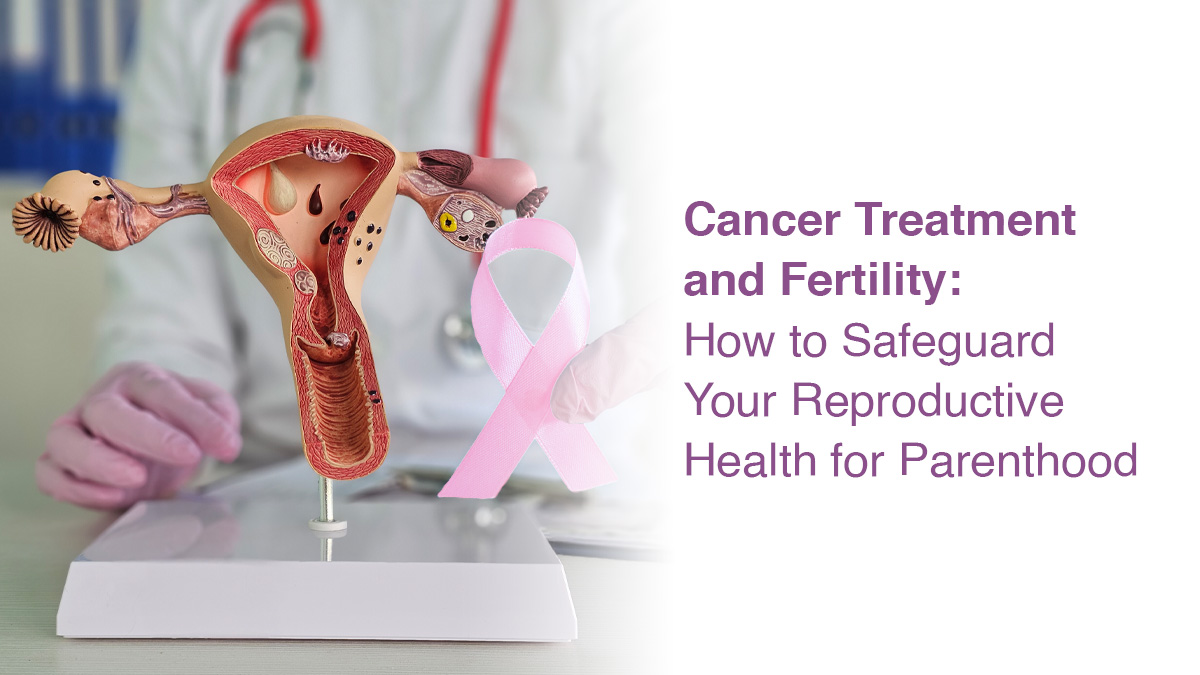
Facing cancer is tough. Amid all the tests, treatment plans, and emotions, one important question often gets overlooked: “Will I still be able to have children after this?” If you want to have a family one day, it is important to understand how cancer treatment can affect your fertility, and what you can do about it.
This article will inform you regarding the connection between fertility and cancer treatment, and how you can take steps to preserve your chances of becoming a parent.
How Cancer Treatments Affect Fertility?
Certain cancer treatments can have an effect on the reproductive system – chemotherapy, radiation therapy, and surgery are powerful treatments that may damage the ovaries or testis and cause infertility.
Here is how cancer treatments may affect fertility:
- Chemotherapy: Certain drugs may lower the amount of eggs in the ovaries or damage sperm cells.
- Radiation: If radiation is given close to the pelvic area, the reproductive organs may be damaged.
- Surgery: If surgery involves removing the uterus, ovaries or testicles, your fertility will be affected.
- Hormone Therapy: Used in some cancers like breast or prostate, it may lower fertility temporarily or permanently.
But the good news is fertility preservation is possible.
Understanding Fertility Risks Based on Age and Gender
Fertility is influenced by both age and gender. Younger people often have better chances of preserving fertility, but it’s important for everyone to explore options early.
- Women: Girls and young women are born with a set number of eggs. Chemotherapy and radiation can reduce this reserve. The younger you are, the more eggs you typically have, and the better your chances of recovery post-treatment.
- Men: Chemotherapy and radiation can reduce sperm count or quality. While some men recover sperm production over time, others may not.
Understanding your personal risk is the first step toward choosing the right fertility preservation method.
Fertility Preservation Options Before Treatment
Before starting cancer treatment, you can take proactive steps to protect your ability to have biological children in the future. Here are some common fertility preservation methods:
- Egg Freezing: This involves retrieving and freezing your eggs for future use. It’s ideal for women who may face damage to their ovaries during treatment.
- Embryo Freezing: Similar to egg freezing, but the egg is fertilised with sperm before freezing.
- Sperm Banking: A simple and non-invasive process where sperm samples are collected and frozen for future use.
- Ovarian Tissue Freezing: A newer method where a piece of ovarian tissue is removed and frozen for use later.
- Testicular Tissue Freezing: Still considered experimental but used for young boys who haven’t started producing sperm.
These fertility treatment options give hope to many individuals and couples who wish to become parents after cancer.
Talking to Your Oncologist and Fertility Specialist
It’s important to speak to your oncologist about fertility as soon as you’re diagnosed. Many treatments affect reproductive health, so early conversations can help you make informed choices. Ask your doctor if your treatment may impact your fertility and whether it’s safe to delay treatment briefly to pursue fertility preservation. You should also request a referral to a fertility specialist, who can guide you through options like egg freezing or sperm banking, depending on your situation. When cancer teams and fertility experts work together, they can create a treatment plan that considers both survival and future parenthood.
Post-Treatment Fertility Evaluation
After treatment ends, your doctor may recommend a fertility check-up to understand how your body has responded. This evaluation may involve blood tests to check hormone levels, ultrasounds for women, or semen analysis for men. Results will help determine whether you can try to conceive naturally or if you may need help through fertility treatment options. Even if fertility is reduced, medical advancements offer hope. A fertility specialist can help you plan your next steps toward starting or growing your family.
Parenthood After Cancer: Your Options
Even if your fertility is impacted, there are still many paths to parenthood after cancer:
- Natural conception: Some people are still fertile after treatment and can have children without help.
- Using frozen eggs or sperm: If you opted for fertility preservation, you can now use those to start your family.
- Fertility treatment options: IVF or IUI may be needed to assist with conception.
- Donor eggs or sperm: If your own fertility can’t be restored, you may choose to use donated reproductive cells.
- Surrogacy or adoption: These are beautiful ways to become a parent if biological options are not available or preferred.
Emotional and Psychological Support
Coping with cancer is already difficult, and the added worry of future fertility can feel overwhelming. It’s normal to experience sadness, anxiety, or grief when facing potential fertility loss. Talking to a therapist, especially one who understands fertility and cancer issues, can be incredibly helpful. Support groups—online or in person—can also connect you with others who’ve been through similar experiences. Whether you are preserving fertility or exploring fertility treatment options after cancer, looking after your emotional well-being is a vital part of healing.
Conclusion
Cancer doesn’t have to mean giving up on your dream of having children. By understanding the risks, exploring fertility preservation, and talking with the right doctors, you can take control of your future. Whether through egg freezing, sperm banking, or other fertility treatment options, there is hope and help available. Don’t hesitate to reach out to a fertility expert from the Oasis Fertility Clinic near you to discuss your best option. You can also call us at 1800-3001-1000 or use our live chat option for immediate assistance.
FAQs
Can I still have children after cancer treatment?
Yes, many cancer survivors go on to have children. It depends on the type of treatment, your age, and whether you used fertility preservation.
When should I discuss fertility preservation with my doctor?
Ideally, before starting any cancer treatment. Early planning gives you more options like egg freezing or sperm banking.
Is fertility preservation expensive?
It can be costly, depending on the method. Some insurance plans or charitable programs may help cover the cost.
What if I didn’t preserve my fertility before treatment?
There are still ways to become a parent, including fertility treatment options, donor programs, surrogacy, and adoption. A fertility specialist can guide you.