


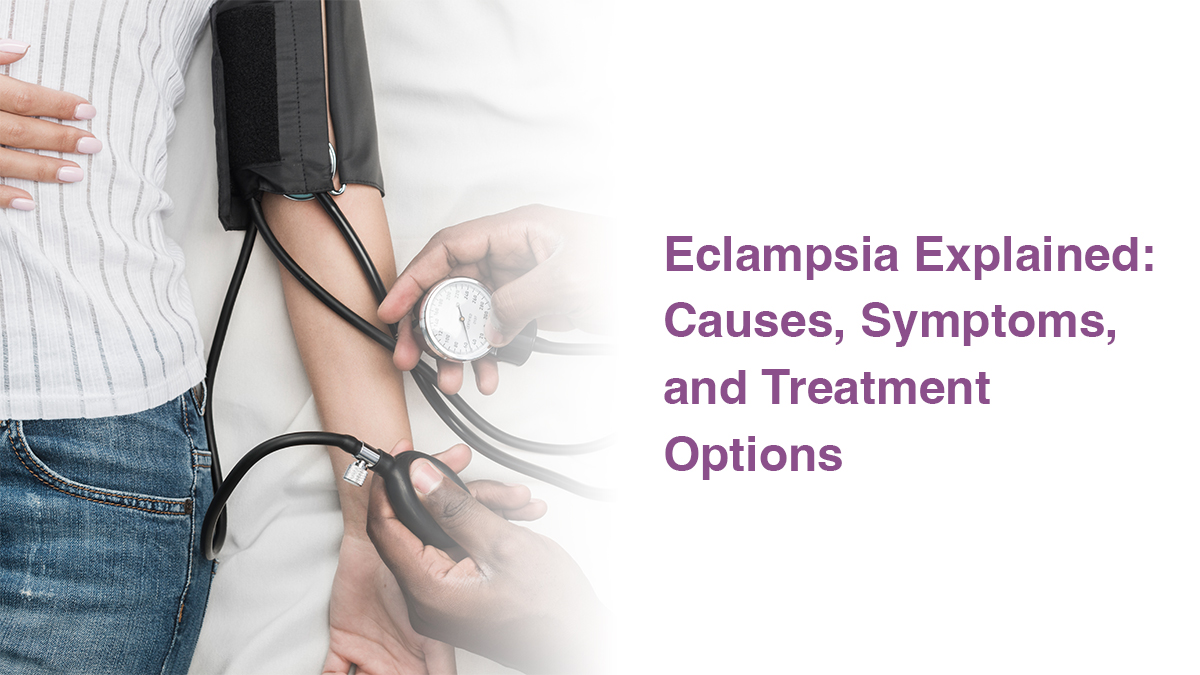
Pregnancy can bring excitement, but it also includes plenty of health considerations for both the mother and baby. Another serious situation that can come up during pregnancy is eclampsia. While eclampsia is rare, it can be life-threatening if it is not recognized and treated in a timely manner. For that reason, it is important to understand eclampsia’s causes, symptoms and what to do if it occurs. This resource explains these issues in simple terms, so you have the information and can stay informed.
What Is Eclampsia?
Eclampsia is a serious pregnancy complication marked by seizures. It usually happens in women who already have preeclampsia—a condition where the blood pressure is high, and there may be protein in the urine or signs of organ stress. Eclampsia is the stage where seizures develop and can lead to coma or even death if not treated immediately. This condition typically occurs after the 20th week of pregnancy, during labour, or shortly after childbirth. Though it is rare, it is very dangerous. It needs urgent medical attention to protect both the mother and baby.
How Eclampsia Differs from Preeclampsia
It’s easy to confuse eclampsia with preeclampsia, but there is a key difference. Preeclampsia involves high blood pressure and signs of damage to organs like the kidneys or liver. However, in eclampsia, the condition progresses to seizures. These seizures are not caused by a brain condition like epilepsy but are a result of the pregnancy.
So, think of eclampsia as the advanced and more severe form of preeclampsia. Not all women with preeclampsia will develop seizures, but when they do, it becomes eclampsia.
Causes and Risk Factors of Eclampsia
The exact eclampsia causes are not always known. But experts believe it’s related to problems with the placenta, blood vessels, or the immune system. Some women may be more at risk due to:
- High blood pressure before or during pregnancy
- First-time pregnancy
- Multiple pregnancies (like twins or triplets)
- History of preeclampsia or eclampsia in previous pregnancies
- Kidney disease or diabetes
- Young age (teen pregnancies) or being over 35
- Family history of the condition
Knowing the eclampsia causes and your risk can help you and your doctor take preventive steps early on.
Common Symptoms of Eclampsia
Spotting the symptoms early can save lives. Here are some warning signs:
- Severe or constant headache
- Blurred vision or light sensitivity
- Sudden swelling in the hands, face, or feet
- Pain in the upper belly (especially on the right side)
- Rapid weight gain in a short time
- Seizures or loss of consciousness
- Feeling confused or very anxious
Some women may not show any signs until the seizures start. That’s why regular check-ups are so important during pregnancy.
Potential Complications for Mother and Baby
If not treated quickly, eclampsia can cause several dangerous complications for both the mother and baby. For the mother, the seizures that happen during eclampsia can lead to serious problems such as brain injury, liver or kidney failure, and even coma. In severe cases, eclampsia can be fatal. Bleeding problems or placental abruption (when the placenta detaches too early) may also occur.
For the baby, eclampsia can reduce the oxygen and nutrients passing through the placenta, which may lead to poor growth, premature birth, or stillbirth. That’s why early diagnosis and fast treatment are so important—acting in time can protect both the mother’s life and the baby’s well-being.
Diagnosing Eclampsia
Doctors usually diagnose eclampsia based on symptoms, medical history, and a few key tests:
- Blood pressure checks – High readings may be a red flag
- Urine tests – To look for protein
- Blood tests – To see how the liver and kidneys are doing
- Fetal monitoring – To check the baby’s heart rate and growth by doing serial ultrasound scans
If a woman has a seizure during pregnancy and no history of epilepsy, eclampsia is often suspected.
Treatment Options Available
Once eclampsia is diagnosed, doctors act quickly to prevent further seizures and protect both mother and baby. The main medicine used is magnesium sulfate, which helps to stop seizures and prevent new ones from happening. Along with this, doctors also give medications to manage high blood pressure and reduce the strain on vital organs.
In most cases, delivering the baby is considered the best treatment once eclampsia has developed—especially if the pregnancy is more than 34 weeks. If the baby is not yet ready to be born, doctors might give steroids to help the baby’s lungs develop before delivery. Hospital monitoring is usually required, and care teams work together to ensure the safest outcome possible.
Preventive Measures and Early Detection
There’s no sure way to prevent eclampsia, but early detection and good prenatal care reduce the risk:
- Attend all antenatal appointments – Regular check-ups help spot preeclampsia early
- Monitor blood pressure – Especially if you’ve had it high before
- Report symptoms – Don’t ignore headaches, swelling, or vision changes
- Maintain a healthy lifestyle – Eat well, stay active, and manage stress
Being alert to eclampsia causes and signs can make it easier to take action before things get worse.
Recovery and Postpartum Care
After the baby is delivered, most symptoms of eclampsia go away, but recovery takes time and care. Some mothers may continue to have high blood pressure for days or even weeks after giving birth, so regular blood pressure checks are necessary. Doctors may keep the mother on blood pressure medicines and magnesium sulfate for a short while after delivery to avoid more seizures. It’s also important to get enough rest and emotional support, especially after going through such a stressful experience. In the long term, women who’ve had eclampsia have a slightly higher chance of developing heart problems or high blood pressure later in life. That’s why it’s important to continue check-ups and stay aware of your health, even after the postpartum period is over.
Conclusion
Eclampsia is a serious condition that can develop during pregnancy, but with awareness, timely care, and regular check-ups, it can be managed. If you wish to know more, head over to the Oasis Fertility Clinic near you to understand more from the reputed staff. You can also call us at 1800-3001-1000 or use our live chat option for immediate assistance.
FAQs
Can eclampsia occur without warning signs?
Yes, in some cases, seizures can appear suddenly without the usual signs, like high blood pressure or protein in the urine.
Is eclampsia preventable during pregnancy?
It cannot be completely prevented, but regular prenatal care and early detection of preeclampsia can greatly reduce the risk.
What are the long-term effects of eclampsia on the mother?
Some women may develop chronic high blood pressure or have a higher risk of future heart problems. Regular health checks post-delivery are important.