


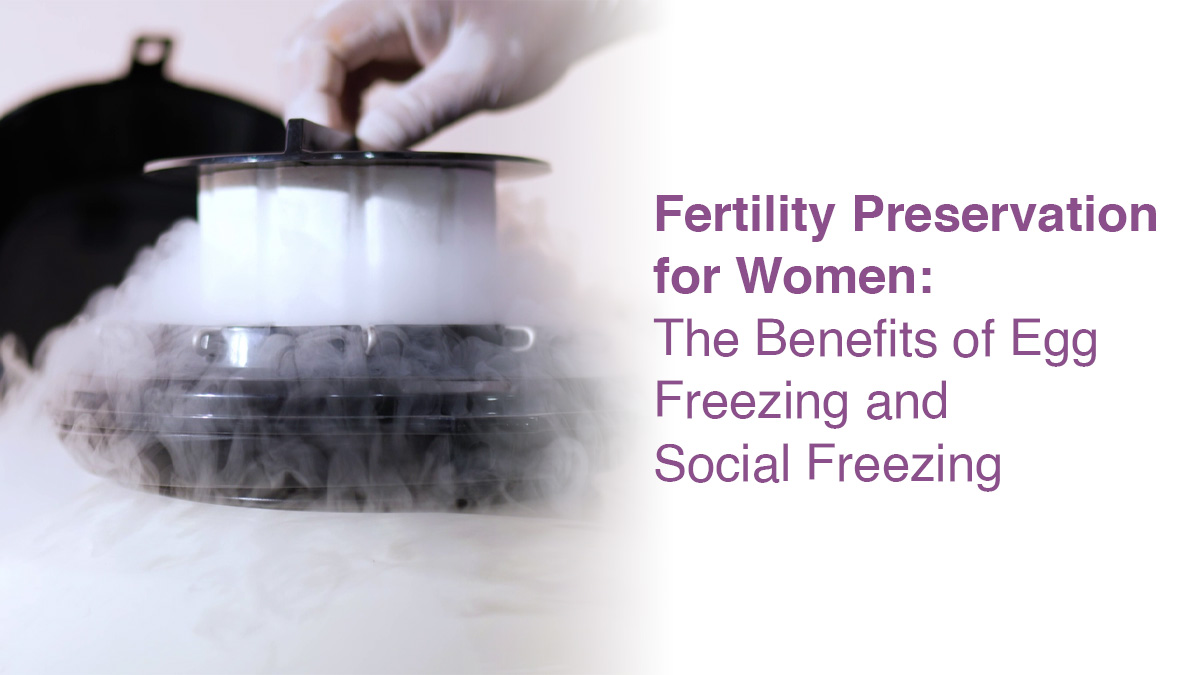
In our fast-moving world, women increasingly prioritise education, career, and finding the right partner in life before starting a family. This advancement is empowering for women, but a lingering fear associated with it is reduced fertility.
This is where the idea of fertility preservation comes into play – specifically egg freezing and social freezing. Egg freezing, or social freezing, is a way for women to take the reins back in their reproductive future and offers options in planning for their pregnancy for when they feel prepared for the task.
What Is Fertility Preservation?
Fertility preservation means to save or protect a woman’s eggs (or potential fertility) for future use. Fertility preservation would benefit women who may undergo medical treatment such as chemotherapy or women who want to delay childbearing for personal or business reasons. Egg freezing is the most prominent method of fertility preservation today.
Understanding Egg Freezing
Egg freezing is a medical procedure in which eggs are collected from a woman’s body, frozen and saved for later use. An egg freezing cycle allows a woman to try and have a baby later using her younger, healthier eggs. A typical egg freezing cycle involves various steps including hormone injections, monitoring, egg retrieval and freezing.
What Is Social Freezing?
Social freezing is another term for egg freezing done for non-medical reasons—such as delaying motherhood for education, career, or personal choice. It is increasingly popular among women in their late 20s and early 30s who want to preserve their fertility options.
Unlike egg freezing for medical conditions, social freezing is more about planning ahead and reducing stress about the biological clock.
Benefits of Egg and Social Freezing
There are many benefits of egg freezing and social freezing, including:
- Peace of mind: You’re not rushing into motherhood just because of age.
- Better egg quality: Freezing at a younger age means using healthier eggs later.
- More options later: If natural conception becomes difficult, frozen eggs offer a backup.
- Career and education flexibility: Focus on your goals without the stress of fertility ticking away.
- Medical reasons: For women undergoing treatments like chemotherapy, freezing preserves future chances of motherhood.
With rising awareness and improving egg freezing success rates, more women are now considering this option.
Ideal Age and Timing for Freezing Eggs
A common question is: When to freeze your eggs?
The best time is usually between 25 and 35 years of age. During this period, egg quality and quantity are at their best. After 35, both start to decline, which can affect the outcome of egg freezing.
While you can freeze eggs after 35, earlier is better for higher egg freezing success rates.
The Egg Freezing Process: Step-by-Step
Here’s a simple breakdown of the egg freezing process:
- Consultation and Testing: Your fertility doctor will check your ovarian reserve using blood tests and ultrasounds.
- Hormone Injections: You’ll take daily hormone injections for around 10-12 days to stimulate your ovaries to produce multiple eggs.
- Monitoring: During this time, the doctor monitors your response through regular scans and blood work.
- Egg Retrieval: Once your eggs are ready, they are collected using a minor procedure under sedation. It takes about 20 minutes.
- Freezing: The mature eggs are frozen using a process called vitrification and stored safely.
Many women return to work the next day. If you’re wondering about egg freezing cost, it varies from clinic to clinic.
Risks and Considerations
Though egg freezing is generally safe, there are a few things to keep in mind:
- Mild side effects like bloating or mood swings during hormone injections
- Rare risks like ovarian hyperstimulation syndrome (OHSS)
- Not a guaranteed pregnancy—though egg freezing success rates are improving, outcomes vary based on age and egg quality
Also, egg freezing cost and emotional readiness are important factors to consider before moving ahead.
Is Fertility Preservation Right for You?
Fertility preservation is a personal decision. It’s ideal for:
- Women who want children but aren’t ready now
- Women diagnosed with conditions like cancer or endometriosis
- Women undergoing IVF who want to store extra eggs
If you’re thinking about when to freeze your eggs, speak to a fertility expert. They’ll guide you based on your age, ovarian health, and future plans.
Conclusion
Whether it’s for health reasons or life planning, fertility preservation gives women a sense of control and hope. If you’re unsure about when to freeze your eggs, consider your current situation, future plans, and consult a fertility specialist from a Oasis Fertility Clinic near you to make an informed decision. You can also call us at 1800-3001-1000 or use our live chat option for prompt assistance.
FAQs
Is egg freezing painful or risky?
Egg freezing isn’t painful for most women. There may be mild discomfort or bloating during hormone injections. Risks are minimal and rare.
How long can frozen eggs be stored?
Frozen eggs can be stored for 10–15 years or even longer, depending on regulations and the clinic.
What is the best age to freeze eggs?
The best age is between 25–35, as egg quality and quantity are higher during this time, leading to better success rates.
Does social egg freezing guarantee a future pregnancy?
No, it does not guarantee pregnancy, but it improves your chances of conceiving later using healthier, younger eggs.