


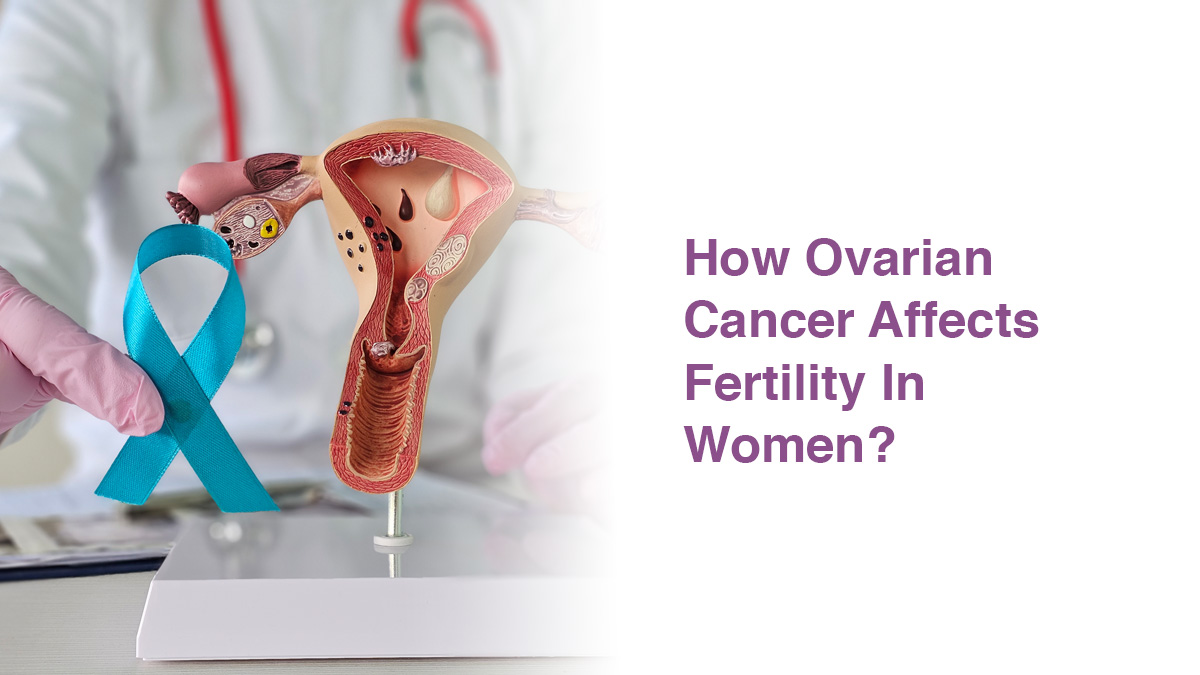
Ovarian cancer is among the most lethal cancers that affects women’s reproductive health, with silent symptoms and late diagnosis. In India, it’s the third most common cancer in women, with an age-adjusted incidence rate of about 6.8 per 100,000 women.
Beyond survival, ovarian cancer deeply affects psychological well-being, body image, and quality of life. Women suffering from this cancer are uncertain about having a child, as treatment impairs fertility drastically. On the occasion of the Ovarian Cancer Awareness Month, we will understand the importance of early detection of this type and how women can preserve their fertility post-treatment in detail.
Symptoms of Ovarian Cancer Women Should Not Ignore
Ovarian cancer doesn’t have visible symptoms. Many of the early signs resemble routine digestive or hormonal issues. Some of the warning signals to watch for include:
- Persistent bloating or abdominal swelling that does not ease with diet changes.
- Ongoing pelvic or lower abdominal pain.
- Feeling full quickly or having difficulty eating normally.
- Frequent or urgent need to urinate.
- Unexplained fatigue or loss of energy.
- Changes in bowel habits, such as constipation.
- Irregular menstrual cycles or unusual bleeding.
If these signs continue for weeks, then it is a major cause of concern. Regular cancer screening and health checkups improve the chances of early diagnosis. With timely recognition, individuals can preserve their fertility.
How Ovarian Cancer Affects Fertility?
Fertility depends on healthy ovaries releasing viable eggs, along with intact reproductive structures. Ovarian cancer disrupts this balance in several ways. Here’s how different cancer treatments affect fertility:
| Treatment Type | How It Affects Fertility |
| Surgery (Pelvic/Abdominal) | May remove or damage reproductive organs such as ovaries, uterus, cervix, or fallopian tubes. Scarring can also block fertilization or implantation. |
| Radiation Therapy (Abdomen/Pelvis/Brain) | Can damage ovaries leading to egg loss or early menopause; radiation to the uterus may affect its ability to carry a pregnancy. |
| Chemotherapy | Reduce egg reserve, trigger premature menopause, or cause infertility depending on drug type and dose. |
| Hormone Therapy | Alters or blocks reproductive hormones, making conception or pregnancy maintenance difficult. It can sometimes induce menopause. |
| Targeted Therapy & Immunotherapy | Certain drugs impair ovarian function, increase infertility risk, or cause complications in pregnancy. |
| Bone Marrow/Stem Cell Transplant | High-dose chemotherapy and radiation often cause permanent ovarian failure and infertility. |
Chemotherapy and Its Effect on Ovarian Reserve
Chemotherapy is one of the major treatment options for ovarian cancer, but it is known to damage the ovarian reserve as well.
Drugs target rapidly dividing cells, which include cancer cells but also developing eggs in the ovaries. The result of chemotherapy can be temporary infertility or premature ovarian failure. Even after treatment, cycles might not return to normal, or the egg quality declines. For women considering motherhood later in life, this decline adds another layer of difficulty.
When to Consult a Fertility Specialist
A fertility consultation should not be an afterthought. Once an ovarian cancer diagnosis is confirmed, conversations about fertility need to happen before starting surgery or chemotherapy.
Specialists can outline risks, discuss timelines, and suggest preservation methods suited to the stage of disease. Women who delay pregnancy until their late thirties or forties face additional challenges because fertility after 40 is naturally reduced. Early counselling helps align cancer treatment goals with reproductive planning.
Fertility Preservation Options for Women with Ovarian Cancer
Egg and Embryo Freezing
One of the most popular methods is harvesting mature eggs or creating embryos with partner or donor sperm. These are frozen for future use. This process requires controlled ovarian stimulation, and sometimes it is not always possible in aggressive cancer cases.
However, if it is feasible, it gives women a chance to become mothers after recovery.
Ovarian Tissue Cryopreservation
For women who cannot undergo stimulation, ovarian tissue cryopreservation is another option. A piece of ovarian tissue containing immature eggs is removed and frozen. Later, it can be reimplanted to restore fertility or hormone function. However, this process is still relatively new compared to egg-freezing.
Ovarian Transposition Before Radiation
In cases where pelvic radiation is part of therapy, surgeons reposition the ovaries outside the radiation field. This does not protect ovaries against chemotherapy effects but can preserve ovarian function against localized radiation damage.
Conclusion
The symptoms of ovarian cancer are vague and often masked by other health problems women face, like period pains, PCOS, or any other gastrointestinal issues. With advances in preservation techniques, it is not impossible to become a mother.
Ovarian Cancer Awareness Month reminds us that the fight is not just about early detection but also protecting the quality of life after treatment. With Oasis Fertility, one can still hope to be a mother and start a family of their own. To know your options, visit an Oasis Fertility centre near you, call 1800-3001-1000, or use the live chat for immediate support.