


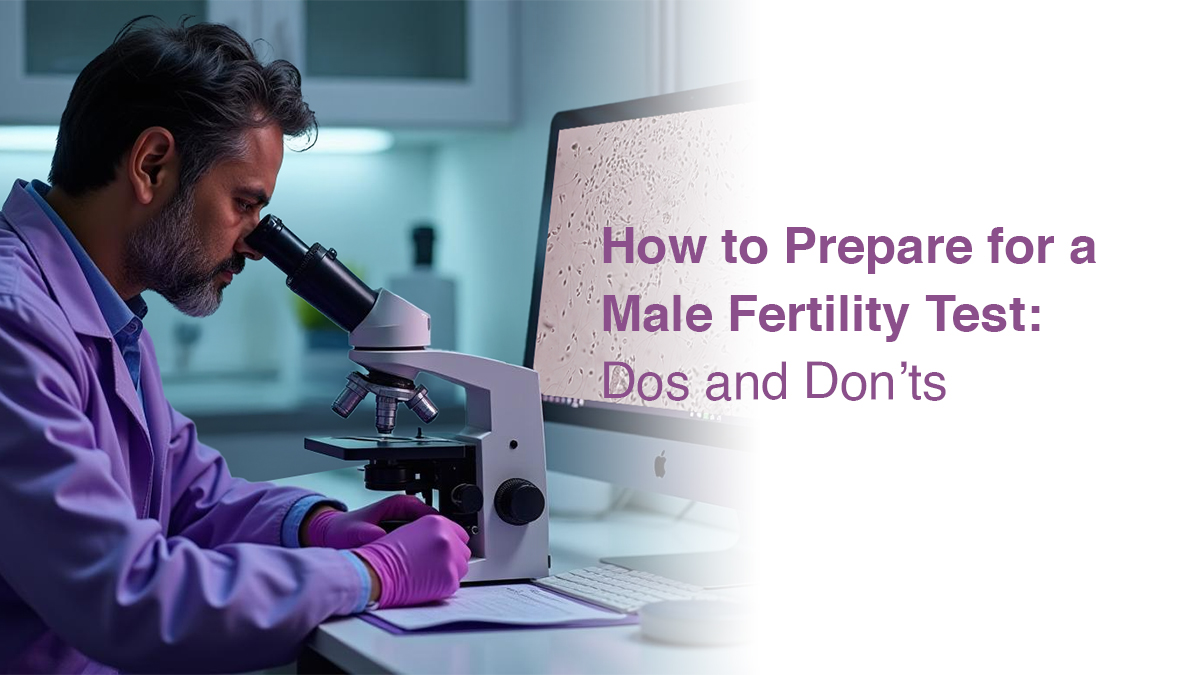
When a couple faces difficulty in conceiving, the first step to get an answer is to check both partners’ reproductive health. While women usually undergo several tests and screenings, men also have an equal role in conception.
A male fertility test helps to identify underlying issues you face like such as low sperm count, poor motility, or abnormal sperm structure. Preparing correctly for this test ensures that you get accurate results and gives doctors a better picture of your reproductive health.
This article explains why fertility testing for men is important, the different types of tests available, and the essential dos and don’ts to follow before undergoing a sperm evaluation.
Why Male Fertility Testing Matters
Male factor infertility contributes to almost half of all infertility cases. A male fertility test can highlight problems early, allowing doctors to suggest the right treatment plan. Without proper preparation, test results may be misleading. For example, not following abstinence rules or consuming alcohol before the test can temporarily affect sperm quality.
Accurate results ensure that treatment decisions are based on the true condition of your reproductive health.
Types of Male Fertility Tests
There are several ways to check male reproductive health. Some of the common tests include:
- Semen Analysis Test: The most common evaluation, this measures sperm count, motility, morphology, and overall semen volume.
- Sperm Count Test: Focuses specifically on the number of sperm present in a given semen sample.
- Sperm Quality Test: Technicians look at sperm cells’ shape, structure, and movement.
- Advanced Tests: In some cases, doctors also do genetic or hormonal tests for a better understanding of male fertility issues.
Preparing for the Test: Key Do’s
1. Maintain a Healthy Lifestyle
Eat a balanced diet rich in fruits, vegetables, nuts, and whole grains—antioxidants and zinc support healthy sperm production. You should include weightlifting exercises and cardio to improve circulation and hormone balance.
2. Follow Abstinence Guidelines
Doctors usually recommend avoiding ejaculation for 2–5 days before the test. When you abstain, it ensures the semen sample is neither too low in count nor has a reduced quality due to prolonged abstinence.
3. Stay Hydrated and Rested
Drink enough water and get a good night’s sleep before the test. Proper hydration and rest improve overall health, which reflects in sperm quality.
4. Inform Your Doctor of Medications
Certain medicines, such as testosterone therapy, chemotherapy drugs, or antibiotics, can impact semen parameters. Always let your doctor know about any prescription or over-the-counter medication you are taking.
Preparing for the Test: Important Don’ts
1. Avoid Alcohol, Tobacco, and Recreational Drugs
Smoking, alcohol, and drugs can temporarily affect sperm motility and count. It is best not to have these for at least a month or a minimum of a week before the test.
2. Don’t Ejaculate Within the Recommended Window
If you ejaculate too close to the test, sperm count may appear lower than usual. Not following the abstinence period could lead to inaccurate results.
3. Don’t Stress or Overthink the Results
Anxiety can affect performance during sample collection. Remember, if the first test shows irregularities, doctors often repeat the test after a gap to confirm results.
What to Expect During the Test?
During a male fertility test, semen is usually collected through masturbation in a private room at the clinic. In some cases, collection at home may be permitted, provided the sample is delivered to the lab within 30–60 minutes.
The semen analysis test checks:
- Sperm count
- Motility (movement)
- Morphology (shape)
- Semen volume and pH
After the Test: Next Steps and Interpretation
If you get normal results, your doctor may suggest no further investigations. If they see some abnormalities, they recommend repeating the fertility test after certain lifestyle changes to confirm the findings. Depending on the outcome, treatment options such as lifestyle changes, medication, or advanced reproductive techniques may be discussed.
Conclusion
Preparing well for a male fertility test makes a big difference in ensuring accurate results. Following the dos and don’ts around lifestyle, abstinence, and stress management helps both you and your doctor get reliable insights into your reproductive health.
At Oasis Fertility, we offer advanced diagnostic facilities and expert guidance to support couples in their parenthood journey. To know more, call us at 1800 3001 1000.
FAQs
How many days should I abstain before a fertility test?
Usually, doctors recommend abstaining from ejaculation for 2–5 days before the test.
Can diet and lifestyle impact sperm quality before testing?
Yes, eating a healthy diet, avoiding smoking and alcohol, and exercising regularly can improve sperm quality.
Is it okay to exercise before the test?
Light to moderate exercise is fine, but avoid intense workouts or activities that increase body heat before testing.
What happens if the first test shows abnormal results?
Doctors usually repeat the test after a few weeks, as sperm parameters can vary. Further treatment is only suggested if issues persist.