


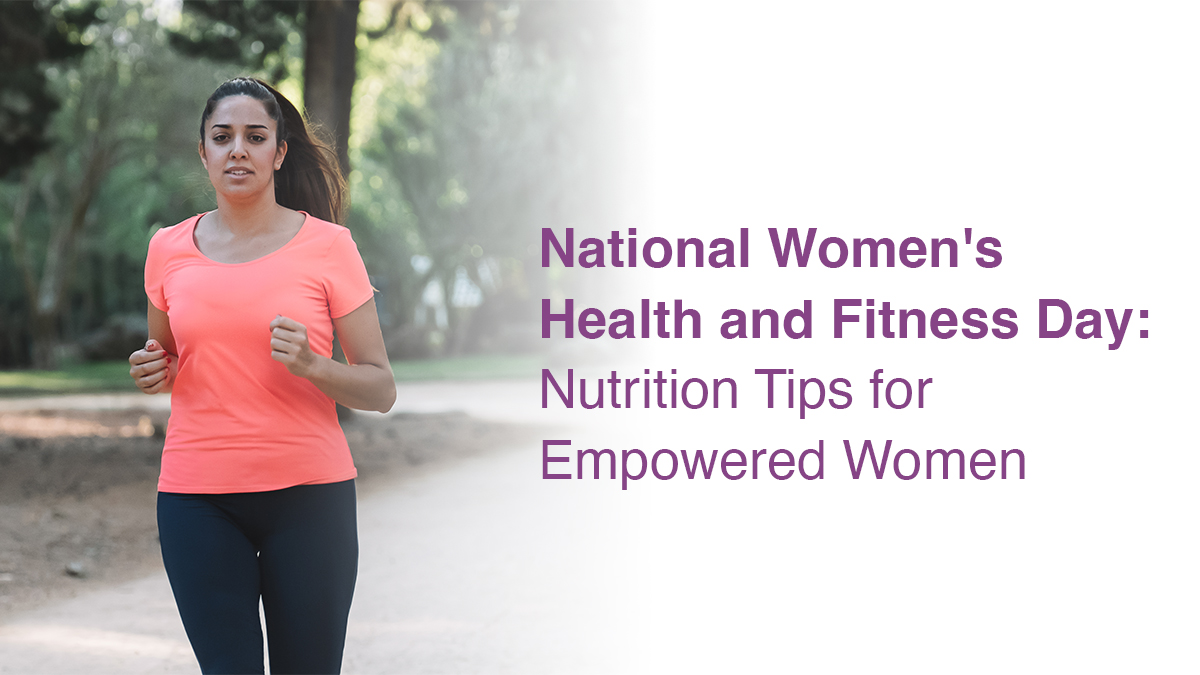
Being in good health is not merely the absence of illness; it’s about living your life with energy, confidence, and mental balance. Women’s Health and Fitness Day reminds us of prioritizing our well-being. Nutrition, exercise, and emotional balance together form the foundation of a healthy lifestyle. Among these, food choices play a central role in shaping energy, hormonal balance, immunity, and even mood.
For women, good nutrition is not only about maintaining weight or appearance; it’s about supporting bodily functions through every life stage, from adolescence to pregnancy, and later through menopause. This article explores practical health tips for women, while focusing on simple dietary habits that promote everyday wellness.
What is National Women’s Health and Fitness Day and Why it Matters?
National Women’s Health and Fitness Day is observed on the last Wednesday of September, with participation from thousands of community centers, hospitals, and fitness clubs. While it began in the US, the message is global: women deserve dedicated focus on their health and well-being.
This day highlights the importance of exercise, preventive screenings, and nutritional awareness. Many women, due to busy schedules and caregiving responsibilities, put their own health last. The event serves as a reminder that women’s health care is not a luxury, but a necessity. Making small, consistent lifestyle changes can go a long way in improving overall health.
Nutrition Essentials Every Woman Should Know
Eating a balanced diet is not just about counting your daily calorie intake; it’s also about balancing the macro- and micronutrients. Food is your body’s fuel that drives physical strength, hormone health, and emotional balance. Here is a list of some essential nutrients every woman should include:
- Iron: Vital for energy and preventing anemia. Sources include spinach, lentils, beans, red meat, and fortified cereals. If you’re a woman in your reproductive years, you are more prone to iron deficiency due to the monthly menstrual blood loss.
- Calcium and Vitamin D: Support strong bones and reduce the risk of osteoporosis. It is known that women are at a higher risk of osteoarthritis than men. Pregnant women should also include calcium-rich foods like dairy products, fortified plant-based milk, almonds, sesame seeds, and sunlight for vitamin D synthesis.
- Protein: It is crucial for muscle repair, immune strength, and hormone balance. Lean meats, eggs, dairy, legumes, tofu, and nuts are excellent sources.
- Fibre: Helps with digestion and maintaining healthy cholesterol levels. Whole grains, vegetables, fruits, beans, and seeds should form part of the daily diet.
- Healthy Fats: Omega-3 fatty acids, obtained from fish, flaxseeds, walnuts, and chia seeds, support brain and heart health while regulating hormones.
These nutrition basics form the core of effective fitness tips for women, ensuring both stamina and resilience.
Practical Eating Habits for Long-Term Wellness
Following a “perfect” diet is often an unrealistic goal that many people set. Instead, women can build practical eating habits that last a lifetime.
- Portion control: Eating the right amount of food reduces overeating without making you feel deprived.
- Balanced plates: As a general rule, aim that half your plate is filled with greens and vegetables, the rest with protein, and some whole grains.
- Hydration: You should drink enough water, as it helps regulate digestion, skin health, and energy levels.
- Mindful eating: Avoid eating in a rush or while distracted. Paying attention to hunger cues reduces unnecessary snacking.
- Meal planning: Preparing meals in advance helps avoid processed or takeaway foods during busy schedules.
Consistency is more important than perfection. When you build these habits slowly ensures sustainable women’s health care practices.
Quick Dietary Alternatives to Boost Energy & Hormone Health
Daily life often demands fast solutions; it is easy to skip meals or rely on sugary snacks. Try these alternatives:
- Instead of potato crisps, choose boiled chickpeas for protein and fibre.
- Replace fizzy drinks with coconut water or infused water to stay hydrated without added sugar.
- Swap white rice for quinoa, red rice or brown rice, which are higher in fibre and keep energy stable, with a lower glycemic index.
- Try Greek yoghurt with fruit instead of pastries; this adds probiotics, protein, and antioxidants.
- Include flaxseeds or chia seeds in smoothies to support hormone health through plant-based omega-3s.
You can do weekly meal plans to help you set a routine and build healthy eating habits. When you start eating clean and make these swaps, it will maintain energy, stabilize mood swings, and support your long-term health.
When to Seek Professional Guidance for Nutrition
Sometimes, general diet tips are not enough. Many women have deficiencies that may be disease-related, and they should seek professional support for them. Here are some examples:
- Persistent fatigue, unexplained weight changes, or irregular periods.
- Multiple missed periods unrelated to pregnancy may be due to PCOS, thyroid imbalance, or anaemia.
- Pregnancy or planning for pregnancy, where nutritional needs change.
- Post-menopause, when bone and heart health require special attention.
Consulting a dietitian provides personalised guidance tailored to your age, lifestyle, and medical background. It’s an important step in ensuring proper women’s health care rather than relying only on generic diets.
Conclusion
National Women’s Health and Fitness Day is not just a calendar event; it is a yearly reminder that health is an everyday investment. Nutrition is the foundation to having a healthy life, and small, mindful changes in food habits can significantly improve women’s health. If you’re a woman trying to conceive, you should ensure you are at your healthiest.
At Oasis Fertility, women’s health and fertility are our focus. If you have questions about nutrition related to fertility, or just your overall reproductive wellness, you can connect with us on our number 1800 3001 1000 for expert guidance. Taking the first step today ensures a stronger, healthier tomorrow.
FAQs
-
How to become a healthy girl?
Start by eating balanced meals, staying active daily, and managing stress. Small lifestyle habits like drinking water, sleeping well, and choosing whole foods help in long-term health.
-
How can I easily include nutrient-rich foods into my daily routine?
You can add fruits to breakfast, replace snacks with nuts, and include vegetables in every meal. Making smoothies and soups is also an easy way to include multiple vegetables with nutrients.
-
When should I see a dietitian for personalised women’s nutrition guidance?
If you face constant and ongoing fatigue, irregular menstrual cycles, obesity, unexplained weight gain/loss or medical conditions like PCOS or thyroid issues, a dietitian or nutritionist can design a personalized nutrition plan to meet your needs.