


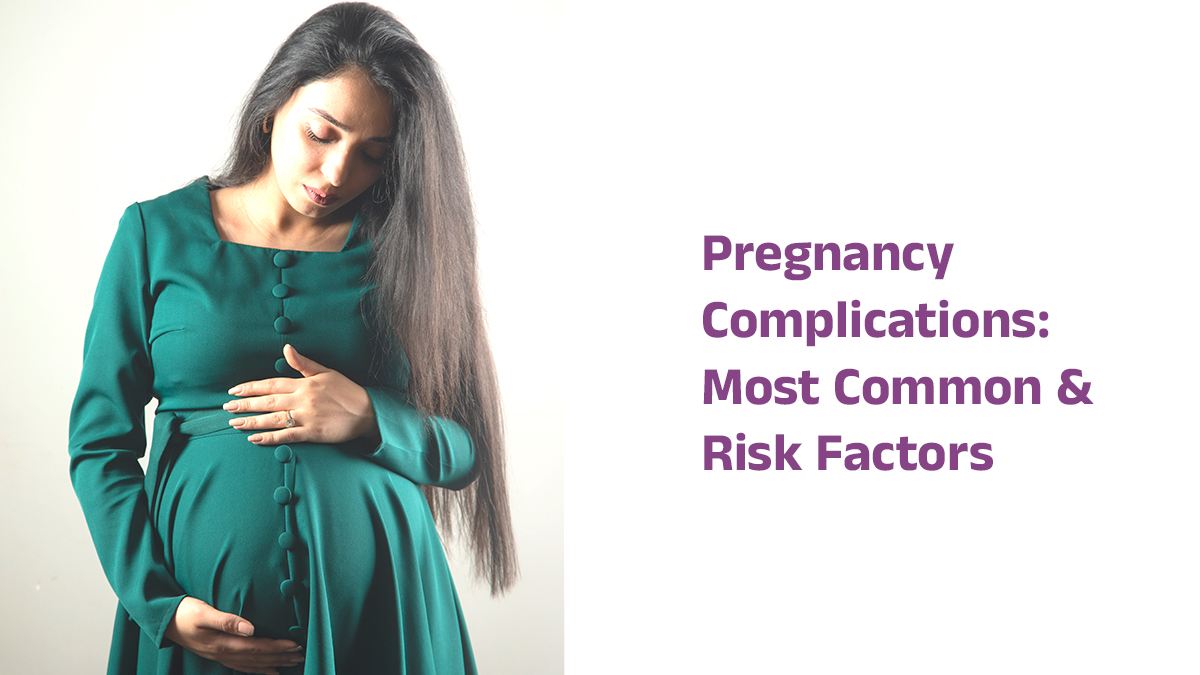
Pregnancy is an incredible journey filled with anticipation. Joy accompanies each milestone. Yet it can also present unexpected challenges. Approximately 10 to 15 per cent of expectant mothers in India experience some form of pregnancy complications, though most pregnancies progress smoothly.
Understanding these complications, recognising warning signs early, and knowing when to get medical help can enhance outcomes for both you and your baby.
This guide will walk you through the most common pregnancy complications, their risk factors, and essential information to help you navigate your pregnancy journey with confidence.
What Are Pregnancy Complications?
Pregnancy complications are health conditions that emerge during pregnancy. They can affect your health or your baby’s health. These complications can develop at any stage from conception through to delivery. They vary widely in severity. Some complications resolve with proper medical care.
Others require ongoing management throughout your pregnancy.
Experiencing a complication doesn’t mean you’ve done something wrong. Many factors contribute to pregnancy complications, including genetics, pre-existing health conditions, and circumstances beyond your control. The key is early detection. Appropriate medical intervention follows.
Some women may face a higher risk of complications due to existing health conditions. For example, women with PCOS may experience additional pregnancy challenges. You can learn more about pregnancy complications with PCOS and PCOD and how to manage them effectively.
Most Common Pregnancy Complications
Understanding the spectrum of pregnancy complications helps you stay alert. Let’s explore the complications that occur at various stages of pregnancy.
Early Pregnancy Complications
Miscarriage is the most common early pregnancy complication. It occurs in roughly 15 to 20 per cent of known pregnancies. This happens before 20 weeks. Warning signs include vaginal bleeding, severe cramping, and the passing of tissue. Most miscarriages result from chromosomal abnormalities rather than anything you’ve done.
Ectopic Pregnancy happens when a fertilised egg implants outside the uterus, often in the fallopian tube. This serious condition affects about 1 to 2 per cent of pregnancies and requires immediate medical attention. Symptoms include sharp abdominal pain, vaginal bleeding, and shoulder pain.
Hyperemesis Gravidarum is severe morning sickness that goes beyond typical nausea. This condition causes persistent vomiting, dehydration, and weight loss, affecting roughly 1 to 3 per cent of pregnancies. If you cannot keep food or fluids down, medical intervention becomes necessary.
Complications That Develop in the Second and Third Trimesters
- Gestational Diabetes affects 5 to 10 per cent of pregnant women in India, with rates rising due to dietary patterns and genetic predisposition. This condition develops when your body cannot produce enough insulin during pregnancy. Whilst it resolves after delivery, it requires careful monitoring and management to prevent complications.
- Pre-eclampsia is a serious condition characterised by high blood pressure and presence of protein in the urine after 20 weeks of pregnancy. Symptoms include severe headaches, vision changes, upper abdominal pain, and sudden swelling.
- Placenta Previa occurs when the placenta covers the cervix. This condition affects about 0.5 per cent of pregnancies. It can cause painless vaginal bleeding in the second or third trimester. Complete bed rest and careful monitoring are often required.
- Placental Abruption occurs when the placenta separates from the uterine wall prior to delivery. This emergency situation can cause heavy bleeding. Abdominal pain and contractions follow. Immediate medical attention is crucial.
- Preterm Labour refers to labour that begins before 37 weeks of pregnancy. In India, roughly 13 per cent of babies are born preterm. Risk factors include previous preterm birth and certain infections.
Maternal Health Conditions Linked to Pregnancy Complications
Your existing health conditions can influence your pregnancy journey. Here are a few conditions to look at:
- Pre-existing diabetes requires careful management throughout pregnancy to prevent complications such as birth defects, excessive birth weight, and preterm delivery.
- Hypertension present before pregnancy can increase your risk of pre-eclampsia, placental abruption, and restricted foetal growth. Proper monitoring and medication adjustments help manage this condition safely during pregnancy.
- Thyroid disorders, both hyperthyroidism and hypothyroidism, can affect fertility and pregnancy outcomes. Proper thyroid hormone levels are essential for your baby’s brain development in the first trimester.
- Polycystic Ovary Syndrome (PCOS), which affects many Indian women, increases the risk of gestational diabetes, pre-eclampsia, and miscarriage. However, with appropriate medical care, most women with PCOS have healthy pregnancies.
- Autoimmune conditions such as lupus require specialised care during pregnancy. They can increase the risk of miscarriage. Preterm birth and pre-eclampsia become more likely.
Lifestyle and Environmental Risk Factors
Your lifestyle choices and environmental exposures play a role in pregnancy health.
- Maternal age is a crucial factor. Women under 17 or over 35 face increased risks of complications.
- Advanced maternal age raises the risk of chromosomal abnormalities, gestational diabetes, and hypertension.
- Obesity (BMI over 30) increases your risk of gestational diabetes, pre-eclampsia, blood clots, and caesarean delivery. Conversely, being underweight can increase the risk of preterm birth and low birth weight babies.
- Smoking, alcohol consumption, and substance use dramatically increase complication risks. Smoking restricts oxygen flow to your baby. Alcohol can cause foetal alcohol spectrum disorders. Even passive smoking exposure should be avoided.
- Inadequate nutrition affects both you and your developing baby. Deficiencies in iron, folic acid, calcium, and other vital nutrients are common in India. They can lead to anaemia and neural tube defects. Poor foetal growth follows.
- Environmental factors, including pollution, exposure to chemicals, and high stress levels, can also contribute to pregnancy complications.
Warning Signs You Should Never Ignore
Recognising warning signs early can be life-saving. Contact your doctor immediately if you experience:
- Vaginal bleeding at any stage of pregnancy
- Fluid leakage
- Severe or persistent abdominal pain
- Cramping that doesn’t subside
- A sudden, severe headache
- Vision disturbances
- A reduction or absence of foetal movements after 28 weeks
- Severe nausea and vomiting
- Fever above 100.4°F (38°C) with or without other symptoms
- Sudden swelling of the face or hands, if accompanied by headache
- Persistent dizziness or fainting spells
- A burning sensation during urination or reduced urine output
- Contractions or pelvic pressure before 37 weeks
Importance of Routine Antenatal Care
Frequent antenatal care is your strongest defence against pregnancy complications. These scheduled visits allow your healthcare provider to monitor your health. Your baby’s development receives attention. Potential problems get detected early. Prompt intervention follows when necessary.
Standard antenatal care in India includes monthly visits until 28 weeks. Fortnightly visits continue until 36 weeks. Weekly visits follow thereafter. However, if you have risk factors or complications, you require more recurring monitoring.
During these visits, your doctor will check your blood pressure. Your weight gain is being monitored. Your urine gets tested for protein and glucose. Your baby’s growth is measured. Your baby’s heartbeat is heard.
Necessary blood tests and ultrasound scans are performed. These periodic assessments help identify complications like gestational diabetes, pre-eclampsia, and foetal growth restriction early.
Don’t skip appointments, even if you feel perfectly well. Many serious complications develop without obvious symptoms initially. Consistent monitoring is essential for early detection. Start booking your appointments now to stay on track.
When to Seek Medical Help?
Understanding when to contact your healthcare provider versus when to seek emergency care is crucial. Contact your doctor within 24 hours if you experience mild to moderate symptoms. Persistent headaches warrant a call.
Mild swelling should be reported. Unusual vaginal discharge needs discussion. Concerns about your baby’s movement patterns deserve attention. Seek immediate emergency care if you undergo severe symptoms.
Understanding pregnancy complications empowers you to take charge of your pregnancy journey. Whilst the information presented here seems overwhelming, most pregnancies progress without serious complications.
The key lies in awareness. Regular antenatal care matters. A healthy lifestyle helps. Prompt attention to warning signs saves lives.
If you wish to learn more, you can visit your nearest Oasis Fertility Center to consult experienced fertility experts. You may also reach out by calling 1800-3001-1000 or connect instantly through the live chat service for prompt support and clarity.