


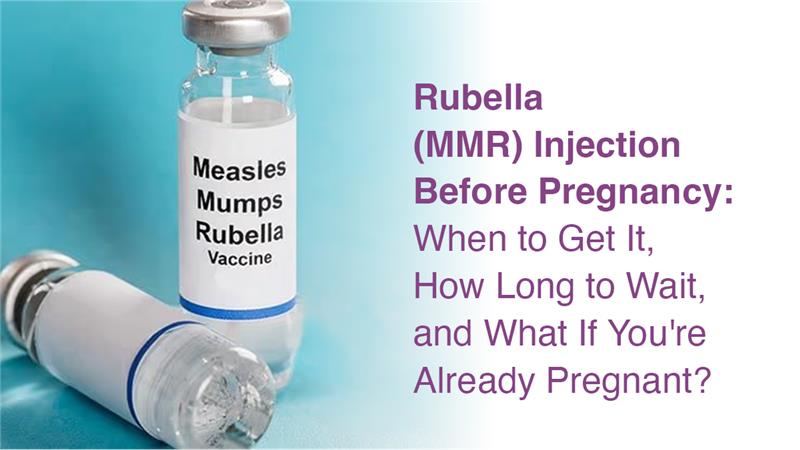
When you are planning to get pregnant, it involves more than just prenatal vitamins and health check-ups. One important step many women often overlook is ensuring protection against rubella. Getting the rubella injection before pregnancy is crucial for your health and your future baby’s well-being. This guide explains when to take the vaccine, how long to wait before conceiving, and what happens if you’re already pregnant.
What Is Rubella and Why Does It Matter Before Pregnancy?
Rubella is a viral infection that can spreads by the an infected person’s coughing and sneezing. Though usually mild in children and adults, it can cause serious harm during pregnancy.
If a woman somehow contracts rubella in the first trimester of pregnancy, it may lead to congenital rubella syndrome (CRS), a condition that may cause:
- Miscarriage
- Stillbirth
- Birth defects like deafness, heart defects, slow brain development or vision problems in the baby.
That’s why doctors will recommend you get rubella injection before pregnancy to build immunity and protect you and your unborn child.
The Rubella (MMR) Vaccine Explained
The MMR vaccine protects against three viral infections: measles, mumps, and rubella. It contains weakened forms of these viruses, helping your immune system develop protection without causing illness.
Who Needs It and How Many Doses?
Women who have never received the MMR vaccine or are unsure of their vaccination history should get vaccinated before trying to conceive.
Usually, one dose is enough for most women if they have previously received childhood immunisations. However, if you’re not sure or your immunity levels are low, your doctor may suggest two doses, given at least four weeks apart.
Checking Immunity (Rubella IgG) Before Trying to Conceive
Before planning pregnancy, your doctor may recommend a rubella IgG blood test.
This test checks whether you already have immunity.
- If the result shows you’re immune, no further vaccination is needed.
- If you’re non-immune, you’ll need the rubella vaccine for females before pregnancy to prevent infection during pregnancy.
Symptoms of Rubella
Many people don’t realise they have rubella because symptoms can be mild or absent. When present, they may include:
- Rash starting on the face or behind the ears, spreading to the body
- Fever
- Joint pain (especially in fingers, wrists, knees)
- Runny nose
- Cough
- Headache
- Sore throat
- Red or sore eyes
Infectious period:
A person can spread the virus one week before symptoms appear and up to four days after the rash starts. This is why prevention through vaccination is essential.
Timing Your Vaccine
Timing the rubella injection before pregnancy is very important. Since the MMR vaccine contains live viruses, it’s not safe to take it during pregnancy.
How Long to Wait Before Trying to Conceive After Rubella?
After receiving the MMR vaccine, it is generally advised to wait at least four weeks (one month) before trying to conceive.
This waiting period ensures that the vaccine virus clears from your body and that your immune system has developed full protection.
If you’re undergoing fertility treatment, your fertility specialist will guide you on how to get the MMR vacine before pregnancy before proceeding.
Can You Get MMR During Pregnancy?
Why Live Vaccines Are Avoided in Pregnancy?
The MMR vaccine is what’s called a ‘live attenuated vaccine’, which means it contains weakened viruses. Although these viruses are not harmful in healthy individuals, they could, in theory, affect a developing foetus. Hence, live vaccines are not recommended during pregnancy.
What If You’re Vaccinated and Then Discover You’re Pregnant?
If you accidentally receive the MMR vaccine and then realise, you’re pregnant, don’t panic. Research shows:
- No evidence of harm
- No increased risk of CRS
- No need to consider termination
However, doctors usually recommend avoiding further doses and monitoring your pregnancy as usual.
What To Do If You’re Non-Immune and Already Pregnant?
If your rubella IgG test during pregnancy shows that you are not immune, you won’t be given the vaccine until after delivery.
Risk of Rubella in Pregnancy
If a non-immune woman gets rubella during pregnancy, especially in the first 12 weeks, the risk to the baby is highest. The baby could develop congenital rubella syndrome, leading to severe developmental problems.
Because there is no treatment for rubella during pregnancy, prevention through vaccination before conception remains the best protection.
Postpartum Vaccination Plan
If you are non-immune, your doctor will give you the MMR vaccine immediately after delivery.
- It’s safe during breastfeeding.
- This protects you for future pregnancies.
Safety, Side Effects, and Contraindications
The rubella injection before pregnancy is considered very safe and effective. Most women experience no side effects or only mild and short-lived ones.
Common Reactions and When to Call a Doctor?
After vaccination, you might experience:
- Mild fever
- Redness or swelling at the injection site
- Slight joint pain or rash
These usually disappear within a few days. But you should call your doctor if you develop a high fever, severe rash, or signs of an allergic reaction, such as swelling of the face or difficulty breathing, though these are very rare.
Who Should Not Receive MMR?
You should avoid the MMR vaccine if you:
- Are already pregnant or planning a pregnancy within the next month
- Have a severe allergy to neomycin or gelatin (vaccine ingredients)
- If you have a weak immune system due to any medical conditions or treatments
Always inform your doctor about your medical history and current medications before vaccination.
Documentation and Follow-Up
Keeping vaccination records up to date is essential for women planning a pregnancy.
Recording Vaccination and Proof of Immunity
Ask your healthcare provider to note your vaccination details in your medical records. If you’ve had a rubella IgG test, keep the report safely, as it may be needed during fertility consultations or antenatal visits.
Travel and Exposure Considerations
If you plan to travel to regions where rubella outbreaks still occur, make sure you’re vaccinated well in advance. Exposure to unvaccinated individuals increases your risk, especially in community or hospital settings.
At Oasis Fertility, our team provides expert guidance on pre-pregnancy health and fertility planning, including vaccination support and immunity screening. To know more or book a consultation, call 1800-3001-1000.