


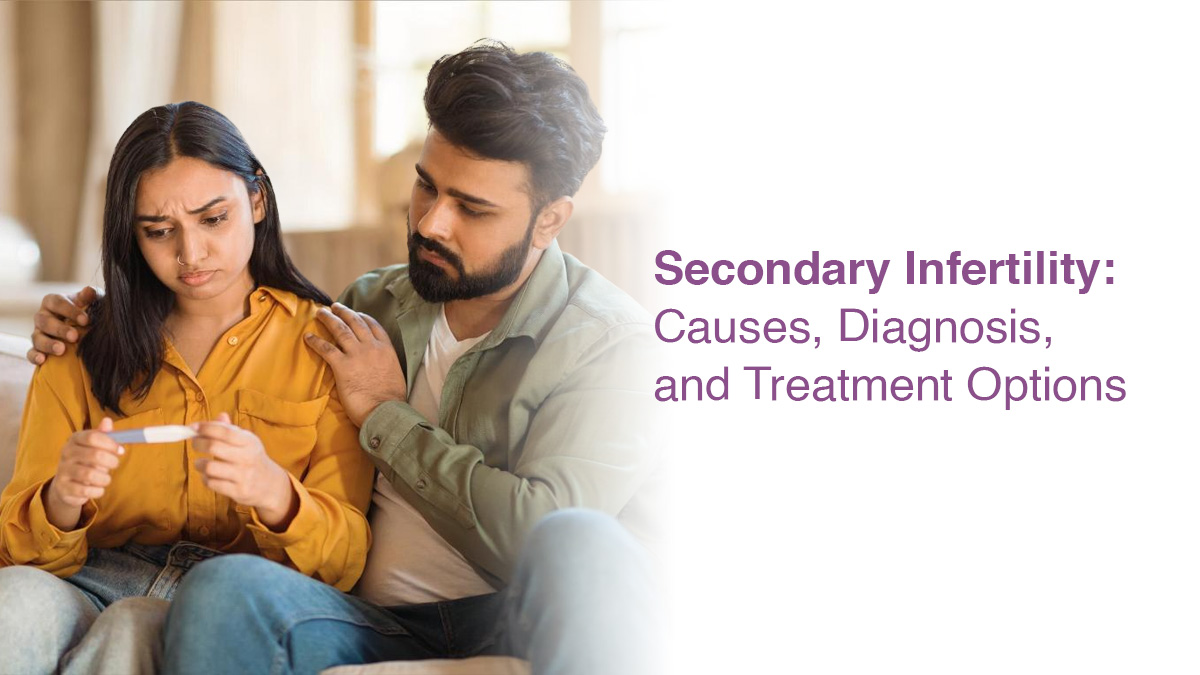
Many couples think that once they have had a baby, getting pregnant again should not be a problem. But what happens when the baby they plan for doesn’t happen? It’s confusing and heartbreaking. Many couples face day-to-day struggle of secondary infertility. The term is as simple as the condition itself. The good news is, you are not alone, and usually there are diagnostics or treatments available.
What Is Secondary Infertility?
Secondary infertility is when a couple has trouble getting pregnant or carrying a baby to term after already having one or more children naturally. Unlike primary infertility, where a couple has never been able to conceive, secondary infertility in women and men can arise even if they had no trouble getting pregnant before.
It can feel frustrating because you may think, “I’ve done this before—why not now?” But many things can change in your body, health, or life situation between pregnancies that can affect fertility.
Causes of Secondary Infertility
Secondary infertility can be caused by many factors, and they can affect one partner or both partners.
For women, the most common causes are:
- Age: Fertility declines as age increases. If a woman is over the age of 35, her egg quality is declining as well as her egg quantity.
- Hormonal Imbalances: Disorders affecting hormones, such as Hypothyroid, Hyperthyroid or Polycystic Ovary Syndrome (PCOS), may play a role in the body not ovulating in a cycle.
- Uterine Problems: Fibroids, polyps, or scarring from a previous delivery can make it harder for an embryo to implant.
- Fallopian Tube Damage: Infections or previous surgeries can block the tubes.
In men, causes may include:
- Lower Sperm Count or Quality:This could be due to age, lifestyle changes, or medical conditions.
- Infections or Injuries:Past surgeries or untreated infections can affect fertility.
- Lifestyle Factors:Gaining weight, smoking, alcohol use, and stress can impact sperm health.
Sometimes, even though both partners are healthy, the exact cause of secondary infertility isn’t clear.
When to See a Doctor?
If you’ve been trying for over a year (or six months if the woman is over 35) without success, it’s time to seek help. Don’t wait and hope for things to change on their own. Getting guidance early can increase your chances of success. Also, if you have irregular periods, known health issues, or had any complications in your last pregnancy, talk to a doctor sooner.
Diagnosis of Secondary Infertility
Diagnosing secondary infertility in women and men begins with understanding medical history, lifestyle, and past pregnancies.
Some common tests include:
- Blood Tests: To monitor hormone levels, thyroid function, and ovulation.
- Ultrasound: To look at the uterus and ovaries for any abnormalities.
- Hysterosalpingography (HSG): A special X-ray to check if fallopian tubes are open.
- Semen Analysis: For men, this checks sperm count, movement, and shape.
Your doctor might also ask about stress, weight changes, or sexual health. All of this helps build a clear picture of what might be causing the issue.
Treatment Options for Secondary Infertility
Once the cause is found (if there is one), your doctor will guide you on the best secondary infertility treatment plan.
Treatment options include:
1. Lifestyle Changes:
- Eating healthy
- Exercising moderately
- Reducing stress
- Quitting smoking or alcohol
2. Medications:
- Fertility drugs can help stimulate ovulation in women.
- Hormone treatments may be used if imbalances are found.
3. Surgical Treatments:
- Removing fibroids, cysts, or repairing blocked fallopian tubes.
- Surgery for men if there’s a blockage or other correctable issue
4. Assisted Reproductive Technologies (ART):
- IUI (Intrauterine Insemination): Sperm is placed directly into the uterus.
- IVF (In Vitro Fertilisation): Eggs are fertilised outside the body and then placed into the uterus.
It’s important to know that IVF is not the only option for secondary infertility. Many couples conceive with simpler treatments once the cause is identified.
Emotional and Relationship Support
Dealing with secondary infertility can be emotionally draining. You may feel guilty or confused—especially when you already have a child. Friends and family may not always understand, making it harder to talk about.
- Counselling or support groups can be very helpful.
- Communicate freely with your partner about your feelings.
- Give yourself permission to feel upset. Your pain is valid, even if you already have one child.
Taking care of your emotional well-being is just as vital as physical treatment.
Conclusion
Secondary infertility may come as a surprise, especially if your first pregnancy was easy. But you’re not alone, and there are many paths to growing your family. Whether the issue is hormonal, physical, or unexplained, getting the right diagnosis and treatment can make all the difference.
Don’t hesitate to reach out to a fertility expert from the Oasis Fertility Clinic near you to get a clear understanding of secondary infertility. You can also call us at 1800-3001-1000 or use our live chat option for immediate assistance.
FAQs
Can I have secondary infertility even if my first pregnancy was easy?
Yes. Just because your first pregnancy happened quickly doesn’t mean your body hasn’t changed. Age, health issues, or new factors may affect fertility the second time.
How long should I try before seeking help?
If you’re under 35, try for one year. If you’re over 35, take help after six months. If you have irregular periods or health concerns, talk to a doctor sooner.
Is IVF the only option for secondary infertility?
No. Many couples benefit from simpler treatments like lifestyle changes, medication, or IUI before considering IVF.
Can stress really affect secondary fertility?
Yes. High stress can disrupt hormones, ovulation, and even sperm quality. Managing stress is an important part of any fertility plan.