


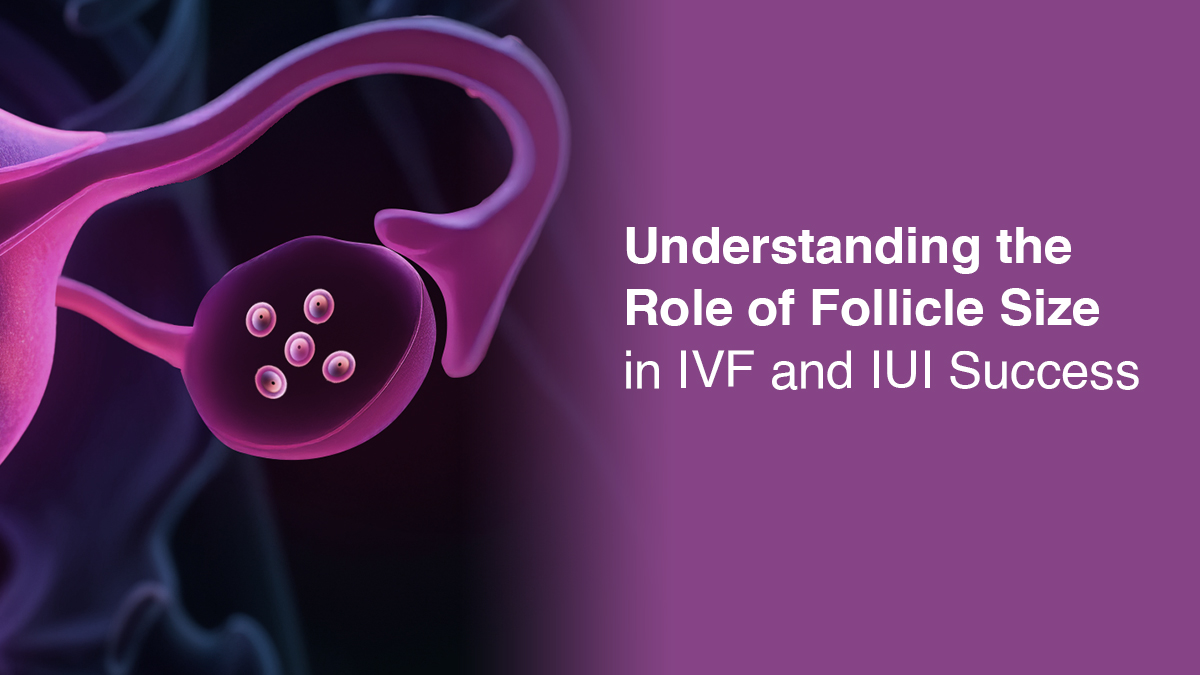
When a couple is trying to conceive, especially through fertility treatments like Intrauterine Insemination (IUI) or In Vitro Fertilisation (IVF), one term that often comes up frequently is follicle size. Doctors constantly monitor the development of the follicles during treatment to check whether they have reached the “right size” before proceeding. But what exactly does follicle size mean, and why is it so important for conception?
In simple words, follicles are small fluid-filled sacs in a woman’s ovaries that contain eggs. The growth and size of these follicles play a crucial role in successful fertilisation and pregnancy. Let’s explore in detail how egg follicle size for conceiving impacts both IUI and IVF success.
What Are Follicles and Why Do They Matter?
Every month, a woman’s ovaries develop multiple follicles. However, only one or two usually grow large enough to release a mature egg during ovulation. Follicles are not eggs themselves, but they protect and nurture the eggs as they mature.
When doctors monitor follicle growth through ultrasound during fertility treatments, they are essentially checking if the egg inside is developing properly. Without an egg reaching the right stage of maturity, fertilisation is less likely to happen. Hence, follicle size becomes a direct indicator of readiness for conception.
Ideal Follicle Size for Ovulation
So, what is a good size follicle for fertilisation?
- Typically, a follicle measuring 18 to 22 millimetres (mm) in diameter is considered mature.
- This size suggests that the egg inside is ready to be released and has a higher chance of successful fertilisation.
- If follicles are too small, the egg may not be fully developed. On the other hand, if they grow too large, the egg may be over-mature and less likely to result in pregnancy.
The normal egg follicle size for conceiving can vary slightly from woman to woman, but most fertility specialists aim for around 18–22 mm before triggering ovulation.
Follicle Size and IUI Success
In IUI treatment, timing is everything. The sperm is placed directly into the woman’s uterus around the time of ovulation. For IUI to work, the follicles should be mature enough to release healthy eggs.
- A follicle size of 18–20 mm is usually considered ideal for IUI.
- Doctors often use a “trigger injection” (HCG shot) to stimulate the release of the egg once the follicle reaches this size.
- Having one or two good-sized follicles increases the chances of success while also minimising the risk of multiple pregnancies.
Thus, monitoring follicle size helps doctors plan the exact timing of IUI for the best possible outcome.
Follicle Size and IVF Success
In IVF treatment, eggs are retrieved directly from the ovaries before ovulation. Here, follicle size again plays a key role:
- Doctors prefer follicles that are around 18–22 mm in size before retrieving eggs.
- Multiple follicles are usually stimulated to increase the chances of retrieving healthy eggs.
- The minimum egg size to get pregnant is generally considered to be 18 mm, but eggs from slightly smaller follicles (16–17 mm) can also sometimes result in viable embryos.
During IVF, doctors aim to collect several mature eggs to improve the overall chances of successful fertilisation and embryo development.
Monitoring Follicle Growth During Treatment
Throughout IUI and IVF cycles, follicle growth is closely monitored using ultrasound scans and sometimes blood tests.
- Ultrasound scans show the number and size of follicles in each ovary.
- Blood tests (checking hormone levels like estradiol) help assess egg maturity.
- Doctors schedule medication doses, trigger shots, and procedures (IUI or egg retrieval) based on this monitoring.
This careful observation ensures that treatment is timed perfectly for the highest success rates.
Factors That Affect Follicle Growth
Not every woman’s follicles grow at the same pace. There are many factors that influence follicle development, such as:
- Age: Egg quality and follicle growth naturally decline with age.
- Hormonal balance: Conditions like PCOS (Polycystic Ovary Syndrome) can cause irregular follicle growth.
- Medications: Fertility drugs help stimulate the ovaries to produce multiple follicles.
- Overall health: Weight, lifestyle, and stress can also impact follicle growth.
- Ovarian reserve: It is the number of egg follicles available, and the quality of the eggs in the ovaries affects how follicles respond to treatment.
Doctors customise fertility treatments based on these factors to support healthy follicle development.
Can Follicle Size Guarantee Success?
While egg follicle size for conceiving is an important factor, it does not guarantee pregnancy. Fertility success depends on multiple factors, including:
- The quality of the egg inside the follicle
- The health of the sperm
- The endometrial lining of the uterus
- Hormonal support after ovulation or embryo transfer
So, while the “right” follicle size is a good sign, it is only one piece of the puzzle in fertility treatments.
Conclusion
Follicle size is a critical marker in fertility treatments like IUI and IVF. The ideal size for a mature egg is generally between 18–22 mm, and achieving this size improves the chances of fertilisation. However, follicle size alone cannot ensure success, as other factors such as egg quality, sperm health, and uterine environment also play major roles.
At Oasis Fertility, advanced fertility specialists use world-class monitoring techniques to ensure optimal timing and care in every treatment cycle. For expert guidance and personalised treatment plans, reach out to Oasis Fertility at 1800 3001 1000.
FAQs
Q1. What is the ideal follicle size for IUI?
The ideal follicle size for IUI is usually between 18–20 mm, as this indicates that the egg inside is mature and ready for release.
Q2. How many follicles are good for IVF?
For IVF, doctors generally aim to retrieve multiple eggs. Around 8–15 mature follicles are considered good, but even fewer can sometimes lead to a successful pregnancy.
Q3. Can follicles be too big or too small for treatment?
Yes. If follicles are too small (<16 mm), the egg may not be mature enough. If they are too large (>24 mm), the egg may be less likely to fertilise.
Q4. Does follicle size alone determine IVF or IUI success?
No. Follicle size is important, but factors like egg quality, sperm health, and uterine lining also play key roles in treatment success.