


Pregnancy is normally filled with hope, dreams, and excitement. For some families, however, joy can be replaced with devastating loss. Stillbirth is a deeply tragic event experienced by millions. Knowing the cause, risks, and prevention can offer families a sense of reassurance and comfort throughout their pregnancy.
What Is Stillbirth?
Let’s start with the basics—what is stillbirth?
Stillbirth is when a baby dies in the womb after 20 weeks of pregnancy. Unlike a miscarriage, which usually happens earlier in pregnancy, stillbirth happens later, often when the baby is more developed. It may happen before labour begins or during labour itself. In most cases, the baby has no heartbeat at the time of delivery.
For many, the meaning of stillbirth is hard to grasp because the pregnancy may have seemed normal up to that point. But it is a real and serious condition that can occur without much warning.
Types of Stillbirth
Doctors usually classify stillbirth based on the time it occurs during pregnancy:
- Early stillbirth – between 20 to 27 weeks of pregnancy
- Late stillbirth – between 28 to 36 weeks
- Term stillbirth – at or after 37 weeks of pregnancy
Each type may have different causes or risk factors. Understanding the type can help doctors guide parents about future pregnancies and medical care.
Common Causes of Stillbirth
The exact cause of stillbirth is not always known. In many cases, it happens suddenly. But some common causes include:
- Problems with the placenta – such as poor blood flow or placental abruption
- Infections – including bacterial or viral infections that can pass to the baby
- Birth defects – serious issues in how the baby’s body forms
- Umbilical cord issues – the cord may wrap around the baby’s neck or get compressed
- High blood pressure in the mother – including conditions like preeclampsia
- Poor fetal growth – when the baby is not growing well in the womb
Even with regular care, some stillbirths happen without any known reason.
Risk Factors That Increase the Chances of Stillbirth
Some women have a higher chance of experiencing stillbirth based on certain factors. These include:
- Being over the age of 35
- Having diabetes or high blood pressure
- Smoking, alcohol, or drug use during pregnancy
- Obesity
- A previous history of stillbirth
- Carrying twins or more
- Low socioeconomic conditions, which may limit access to good healthcare
While these risk factors do not guarantee a stillbirth, they can raise the chances. That’s why regular care and early detection are important.
Warning Signs to Watch for During Pregnancy
While not all stillbirths show clear warning signs, some symptoms may be noticed, such as:
- A noticeable decrease in the baby’s movements
- Pain or cramping in the abdomen
- Bleeding from the vagina
- Severe back pain or pressure
If you notice any of these signs, it’s important to contact your doctor immediately. Monitoring fetal movements daily, especially after 28 weeks, is often recommended.
How Stillbirth Is Diagnosed?
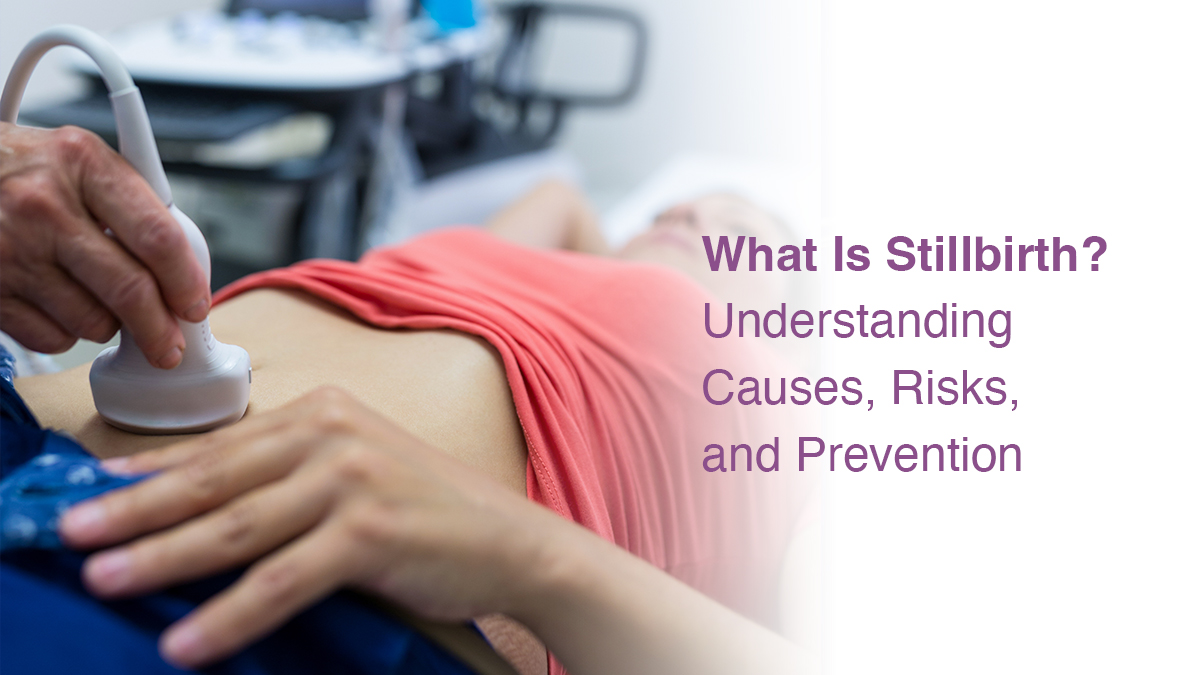
If a woman reports that she hasn’t felt her baby move, the doctor will usually perform an ultrasound. This is the most accurate way to check for a heartbeat. If there is no heartbeat, the baby is declared stillborn.
Further tests may be done later to find the cause. These might include blood tests, testing the placenta, or even an autopsy if the family agrees. Understanding the cause helps in planning for future pregnancies.
Emotional Impact and Coping After Stillbirth
Losing a baby to stillbirth is one of the most heartbreaking experiences. Parents go through a mix of emotions—shock, sadness, guilt, anger, and even confusion.
It’s important to allow time to grieve. Support from family, friends, and counsellors can help. Some hospitals offer grief counsellors or support groups for parents who have faced a stillbirth. Remember, everyone copes differently, and there’s no right or wrong way to feel.
Prevention Tips and Medical Interventions
While not all stillbirths can be prevented, there are ways to reduce the risk:
- Attend all prenatal appointments
- Manage existing health conditions like diabetes or blood pressure
- Avoid smoking, alcohol, and drugs
- Sleep on your side, especially in the third trimester
- Track your baby’s movements and report any changes
- Stay updated on vaccinations to prevent infections
Doctors may also suggest more frequent ultrasounds or early delivery in high-risk pregnancies. In some cases, medications may be given to support better blood flow to the baby.
Importance of Prenatal Care and Regular Check-Ups
One of the most effective ways to lower the chances of stillbirth is through good prenatal care. Regular check-ups help doctors monitor the baby’s growth, heartbeat, and overall health. They can spot potential problems early and take steps to manage them.
If you have a high-risk pregnancy, your doctor may refer you to a specialist who can offer advanced care and monitoring. Staying informed and following medical advice can go a long way in keeping both mother and baby safe.
Conclusion
Now that you understand what stillbirth is, you know it’s not just a medical condition—it’s a personal tragedy that touches families deeply. While the meaning of stillbirth is associated with loss, it’s also tied to awareness, care, and hope. Visit the Oasis Fertility Clinic near you to understand how to emotionally deal with stillbirth from our counsellors. You can also call us at 1800-3001-1000 or use our live chat option for prompt assistance.
FAQs
What is the difference between a miscarriage and a stillbirth?
A miscarriage usually happens before 20 weeks of pregnancy, while stillbirth occurs after 20 weeks. Both involve pregnancy loss but differ in timing.
Can stillbirth be prevented in high-risk pregnancies?
While not all cases can be prevented, regular medical care, early detection, and lifestyle changes can reduce the risk of high-risk pregnancies.
How soon can I try to conceive again after a stillbirth?
Doctors usually recommend waiting a few months to allow physical and emotional healing. It’s best to consult your doctor for personalized advice.