


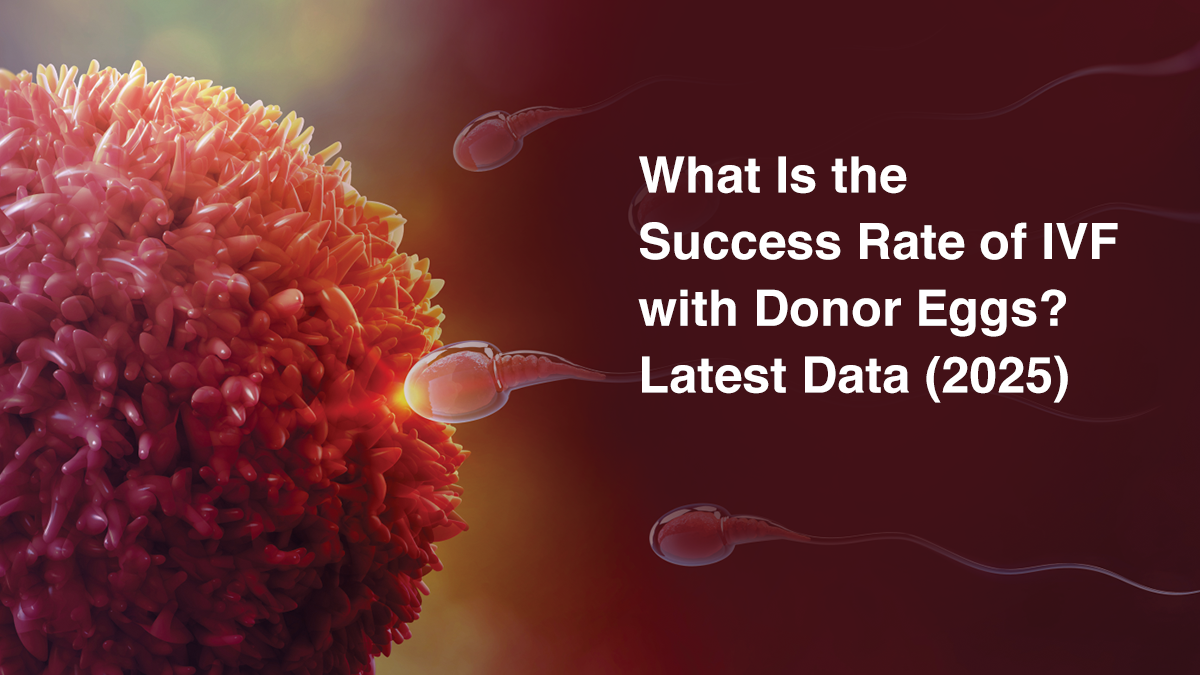
Millions of couples wish to become parents, but life can bring challenges to those dreams. Age, health issues, or other fertility problems can make it difficult to conceive naturally. Advanced fertility treatment such as IVF (In Vitro Fertilization) offers hope and the opportunity to have a baby. Of the types of IVF available, donor eggs have emerged as a more popular and successful option for hope, especially if a woman’s own eggs are no longer viable.
So, what’s behind this surge in donors egg usage and how successful is it in 2025? Over time, success rates with donor egg IVF have improved with advancements in medicine and screening techniques.
Understanding IVF with Donor Eggs
IVF with donor eggs is a fertility treatment in which eggs from another woman, the donor, will be fertilised with sperm in a lab. Once the eggs are successfully fertilised, one or more embryos are placed in the recipient’s uterus with the hope of achieving pregnancy. This approach is most used when a woman’s own eggs are not healthy enough or are unavailable due to reasons like advanced age, early menopause, or certain medical conditions.
The egg donor is generally a healthy young woman who has completed a few medical and psychological evaluations to ensure she qualifies. Donor eggs are removed in a short procedure and fertilised with either the intended father’s sperm or a donor sperm of choice. After a couple of days, the best embryo will be transferred to the mother’s uterus (the only embryo allowed per baby), and the remaining embryos are frozen for possible future use.
One of the main reasons for the popularity of this method is its high success rates. Since younger donor eggs are generally of better quality, they increase the chances of fertilisation, implantation, and, ultimately, pregnancy. This is why many couples or individuals, especially women over the age of 40, are advised to consider donor egg IVF.
More importantly, choosing IVF with donor eggs doesn’t change the love, bond, or emotional connection parents feel with their baby. It simply offers an alternative path to building a family when natural conception is difficult or not possible. Moreover, with rising donor egg success rates, this method is now one of the most effective fertility treatments available today.
Why Donor Eggs Improve IVF Success Rates?
The quality of eggs plays a pivotal role in the success of IVF treatments. As women age, both the quantity and quality of their eggs decline, leading to reduced fertility. By using eggs from younger donors, the chances of successful fertilisation and implantation increase significantly. This is why donor egg success rates are notably higher compared to traditional IVF methods using a woman’s own eggs.
Latest Success Rate Data (2025)
In 2025, fertility clinics across India are reporting encouraging outcomes for treatments involving donor eggs. As techniques and technologies have improved, so have the results
especially for individuals and couples who choose this path to parenthood. The average donor egg IVF success rate is around 60–70% per cycle, which is significantly higher than standard IVF with self-eggs for women over 35.
Factors Influencing Success Rates
Several elements can impact the success of IVF with donor eggs:
- Recipient’s Age and Uterine Health: While the age of the egg donor is crucial, the recipient’s age and uterine environment also play significant roles.
- Sperm Quality: Healthy and motile sperm increases the chances of successful fertilisation.
- Embryo Quality: High-quality embryos have better implantation potential.
- Lifestyle Factors: Habits like smoking, excessive alcohol consumption, and high-stress levels can negatively affect IVF outcomes.
- Clinic Expertise: The experience and success rates of the chosen fertility clinic can influence results.
Emotional and Financial Considerations
Emotional Aspects: Starting IVF with donor eggs can be a deeply emotional decision. Some individuals or couples may struggle with the idea of using someone else’s eggs, while others may feel a mix of hope and anxiety about the process. It’s completely normal to experience these emotions. Talking to a counsellor or joining a support group can help ease the journey.
Financial Implications: Undergoing IVF with donor eggs is a significant financial commitment. The process typically involves several steps like screening, egg donation, fertilisation, and embryo transfer, all of which can add up. Additionally, there may be extra expenses for medications, consultations, and follow-up care. Planning and exploring available financial assistance or flexible payment options with the clinic can help manage the costs more comfortably.
Conclusion
IVF with donor eggs offers a viable solution for many facing fertility challenges. It’s a promising option for those unable to conceive using their own eggs. However, it’s crucial to understand the associated emotional and financial commitments. If you wish to undergo donor egg IVF, discuss your options with reputed fertility specialists of the Oasis Fertility Clinic near you to understand your specific situation better. You can also contact us on 1800-3001-1000 or use our live chat option for prompt assistance.
FAQs
At what age is donor egg IVF most recommended?
Donor egg IVF is often recommended for women over 40 or those with diminished ovarian reserve, where the quality and quantity of their own eggs are compromised.
Are there any risks involved with using donor eggs in IVF?
While the procedure is generally safe, risks include potential reactions to fertility medications, multiple pregnancies, and emotional considerations related to using donor genetic material.
How many IVF cycles are typically needed with donor eggs to get pregnant?
Many achieve pregnancy within one or two cycles using donor eggs, given the higher success rates. However, individual outcomes can vary based on personal health factors.