


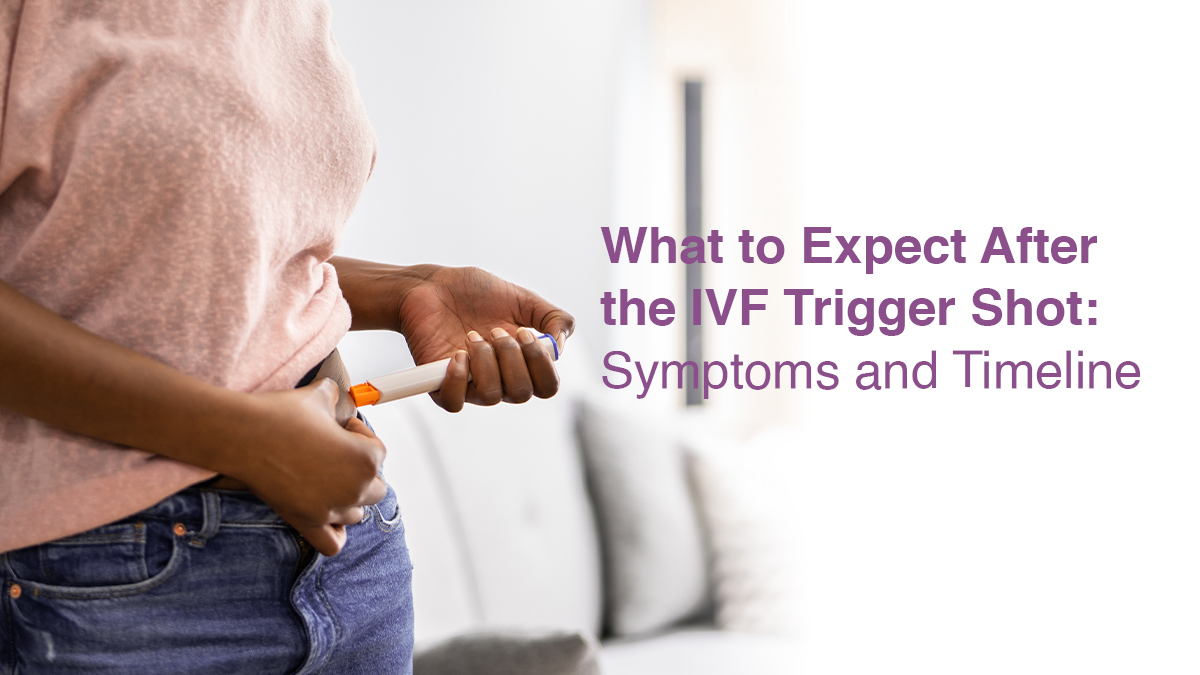
If you’re going through IVF, you’ve probably heard your doctor say the words “trigger shot” more than once. If you’re wondering what it is, don’t feel alone. Many people trying IVF for the first time have these questions: What exactly is it? Why is it so important? What happens after I take it?
It is okay to feel anxious about this stage of treatment, because the IVF trigger shot is a turning point. Think of it as the final signal your body needs before your eggs are collected. In this article, we’ll walk you through what a trigger shot is, how your body reacts, what symptoms you might feel, and the all-important 36-hour countdown to egg retrieval.
What Is the IVF Trigger Shot?
The IVF trigger shot is an injection taken at the end of your ovarian stimulation. It contains hormones, usually hCG (human chorionic gonadotropin), that help your eggs finish maturing.
If you’re still asking yourself, ‘What is a trigger shot?’ Here’s the easiest way to think of it:
It’s like the final green signal before ovulation, but in IVF, your doctor times it perfectly so the eggs can be retrieved before they’re released naturally.
Without this injection, your eggs may not reach full maturity, and that could lower your chances of success.
When Is the Trigger Shot Given?
You might be curious: When will I get my trigger shot?
It usually happens once your doctor sees, through ultrasound and blood tests, that your follicles (egg sacs) have grown to the right size. This is typically after 8–12 days of stimulation injections.
The timing is super important because egg retrieval has to happen around 36 hours later. That’s why doctors are very precise about when you should take it. Missing the exact time could affect the cycle, so always set an alarm or reminder.
What Happens in the Body After the Trigger Shot?
Here’s what’s going on inside your body after the trigger injection:
- The hormone tells your eggs: “It’s time to finish growing.”
- It helps in the maturation of eggs.
- Your ovaries prepare the eggs for release.
- The uterine lining also gets ready to support a potential pregnancy.
This stage is carefully monitored because the eggs need to be collected before they’re naturally released. That’s how the trigger shot in IVF improves the chances of success; it ensures your eggs are just at the right stage.
Common Symptoms After the Trigger Shot
Now, here’s the part most people are curious about: how will I feel after the trigger shot?
Some common experiences include:
- Bloating: Your ovaries are bigger than usual, so your tummy might feel heavy.
- Mild cramps or discomfort: A bit like period pain.
- Breast tenderness: Due to hormonal changes.
- Mood swings: Feeling emotional or anxious is very normal.
- Soreness at the injection site: After the shot, you may notice some discomfort which usually settles quickly.
Everyone’s body is different. Some people barely feel anything, while others notice more changes.
When to Call Your Doctor
Most symptoms are mild, but you should call your doctor straight away if you notice:
- Intense or sudden abdominal pain
- Nausea, vomiting, or diarrhoea that worsens
- Rapid weight gain in 24–48 hours
- Shortness of breath
- Reduced urine output
These can also be symptoms of Ovarian Hyperstimulation Syndrome (OHSS), which needs medical attention.
Remember: it’s always better to check with your doctor than to ignore something worrying.
Trigger Shot to Egg Retrieval: The 36-Hour Timeline
One of the biggest questions is: How long after the trigger shot is egg retrieval done?
The answer: usually 34–36 hours later. Here’s what’s happening during that time:
- First 12 hours: Your eggs are completing their last stage of maturity.
- 12–24 hours: They’re getting ready for release.
- Around 36 hours: Eggs are at their best stage for retrieval.
Your doctor will schedule the egg retrieval just before natural ovulation. That’s why the timing of the trigger shot is so crucial; it keeps everything in sync.
Emotional and Physical Expectations
IVF trigger shot can bring about a lot of emotions and physical changes. Physically, many women notice bloating, heaviness in the lower abdomen, or mild cramps, almost like pre-period symptoms. These are signs that your ovaries are working hard and your eggs are getting ready for retrieval. Emotionally, this stage can feel overwhelming because you’re not just waiting to see how many eggs will be collected and whether they will fertilise successfully; it’s also the strong dose of hormones that can make you feel these emotions more intensely.
It’s normal to feel anxious, hopeful, or even a little impatient during this short waiting period. Talking to your partner, close friends, or even a fertility counsellor may help you get through this time. Remember, both your body and mind are going through a lot, so give yourself extra care, rest, and reassurance. Give your body the care and relaxation it needs.
Tips to Ease Symptoms Post-Trigger
If the bloating or cramps are bothering you, here are a few easy ways to cope:
- Drink plenty of water; it helps with bloating.
- Avoid overly salty foods, which can make swelling worse.
- Stick to light, nourishing meals.
- Rest when you need to.
- Wear loose, comfortable clothes.
- Follow your doctor’s instructions carefully about activity, medicines, or restrictions.
Remember, this is just a short phase before retrieval, and most symptoms improve after that.
Conclusion
The IVF trigger shot is a small step in the entire cycle, but it’s one of the most important parts of the IVF journey. It prepares your eggs for retrieval while giving you the best chance of success. While you may feel some mild symptoms, these are usually temporary.
At Oasis Fertility, patients are guided step by step through IVF, including the trigger shot and egg retrieval, with expert care and support. If you have doubts or need guidance, you can reach out at their toll-free number 1800 3001 1000.
FAQs
How long after the trigger shot is egg retrieval done?
Your doctor will usually perform the egg retrieval about 34–36 hours after the trigger shot. This timing ensures the eggs are mature but collected before natural ovulation.
Is bloating after the trigger shot normal?
Yes, it’s quite common. Your ovaries are enlarged, and that causes bloating. Staying hydrated and eating light meals can help.
What if I miss the exact time for the trigger shot?
The timing is critical. If you realise you’ve taken it late or missed it, call your doctor immediately; they’ll advise you about the next step.