


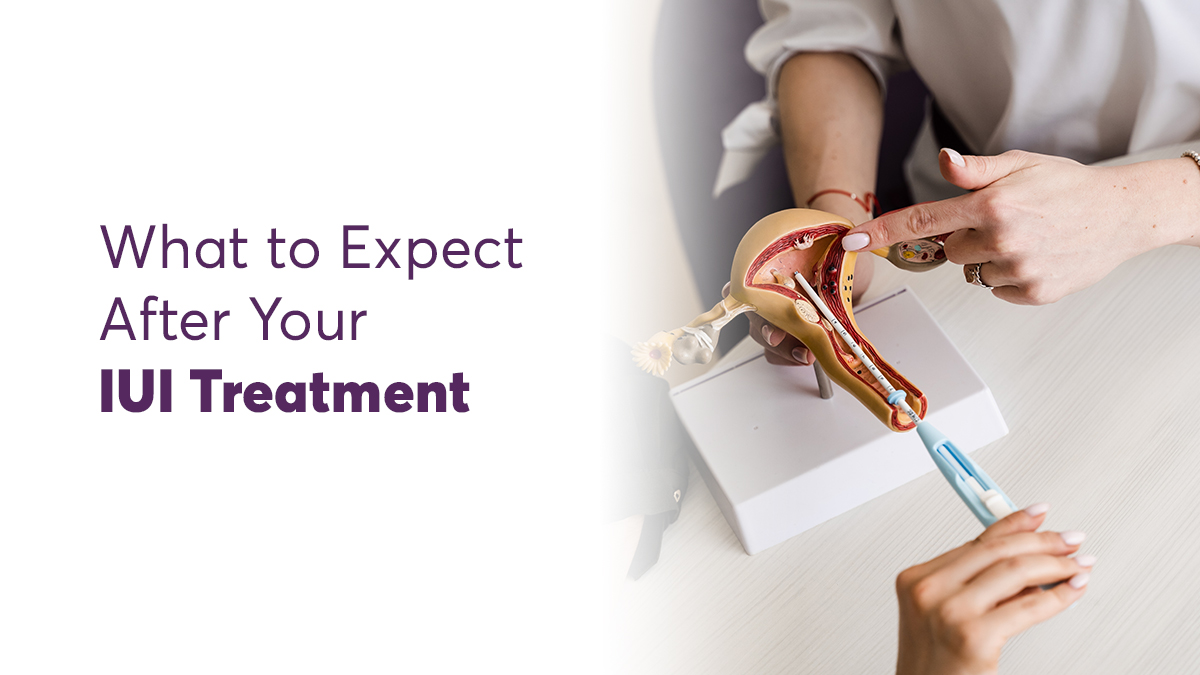
If you have been trying to start a family but are unable to achieve pregnancy, intrauterine insemination (IUI) might help. IUI is an assistive reproductive technique in which the female egg is fertilised through artificial insemination. The sperm is placed directly in the uterus to maximise the chances of fertilisation, eliminating the risks to the sperms involved in travelling from the vagina, via the cervix and up the fallopian tube to reach the egg. Usually, only 5% of sperms survive this journey. After the sperm is placed in the uterus via IUI, you can monitor the symptoms to check for success day by day.
The IUI success rate depends on several factors, including the age of both partners. Younger couples tend to have a higher chance of observing success symptoms of IUI. So, before you choose to undergo this assistive reproductive procedure, learn how to monitor symptoms of pregnancy success after IUI.
What Happens Immediately After IUI?
Once the sperm sample is placed inside the uterus, your body starts responding to the hormonal changes that support fertilisation. If you were prescribed progesterone or other fertility medications during the cycle, they can cause breast tenderness, bloating, mild nausea or fatigue, even before implantation happens. These sensations are common and do not confirm or rule out pregnancy.
You might also feel emotionally unsettled during this stage. A mix of anticipation, worry, and constant symptom-checking is quite normal during the early days after IUI. When you know what each day looks like can help you stay grounded through the process.
Key Factors Influencing IUI Success Symptoms
The way symptoms appear after IUI varies widely from person to person. Several factors influence whether you may feel strong symptoms, faint sensations, or nothing at all:
- Hormonal medications – If you are prescribed progesterone or ovulation stimulants, they can cause bloating, nausea, breast tenderness, or fatigue, even if pregnancy has not occurred.
- Age – Younger women tend to have more predictable hormonal patterns, which sometimes makes symptoms appear earlier.
- Ovulation timing – Implantation signs depend on when ovulation happened. A slightly delayed ovulation shifts symptom onset by a couple of days.
- Individual sensitivity – Some women are more responsive to hormonal changes, while others do not feel noticeable changes until after a missed period.
- Uterine and overall health – Conditions like endometriosis, PCOS, or thyroid imbalance can influence how your body responds post-IUI.
As these factors differ so much between individuals, symptoms alone cannot be used to measure the success of the cycle.
Day by Day Breakdown of the IUI Process
Your fertility expert will first assess the reasons for your inability to conceive. Following this, if they determine that IUI is the treatment of choice, they might require the female partner to take fertility drugs to ensure healthy ovulation. Next, the sperm is collected from the male partner, washed and checked to separate the highest quality sperm. This sperm is then placed directly into the female partner’s uterus.
Once the sperm has been placed, most people can return to their everyday activities. However, some women experience mild symptoms after IUI treatment, which could be indicative of success, such as mild cramping and spotting for one or two days. Although there are no restrictions on what you can do after the procedure, it is best to avoid activities that make you feel uncomfortable.
Here’s a look at the symptoms to monitor day by day after the IUI process:
Day 1 to 3:
In the first 3 days, cramping and light spotting are common symptoms of artificial insemination. This should not be confused with implantation bleeding. If the discomfort or cramping does not stop after 3 days, consult your doctor.
Day 3 to 5:
By the third to fifth day after IUI, your body is still adjusting to rising progesterone levels. Some women describe a sense of fullness in the lower abdomen, slight bloating, or breast sensitivity. These can occur whether pregnancy has happened or not, so avoid reading too much into them. If you are taking progesterone supplements, these effects may feel stronger.
Day 4 to 6:
This phase usually feels uneventful physically, which can make the wait seem longer. A lack of symptoms is completely normal. The fertilised egg, if conception has occurred, is still travelling down the fallopian tube and has not yet implanted.
Day 6 and After:
You are now close to the implantation window. At this time, you could experience light spotting, also known as implantation bleeding. Cramping or other types of stomach discomfort may also occur. Other symptoms of early pregnancy, indicating IUI success, include stomach discomfort, constipation, dizziness, nausea, vomiting, breast tenderness, and exhaustion. However, in most cases, these symptoms do not occur till several days after implantation. So, if you don’t have these symptoms after Day 6, don’t worry. Just keep monitoring the IUI success symptoms day by day till you miss your period.
Along with implantation spotting or cramping, you may feel:
- Mild bloating – A common effect of progesterone
- Heightened smell sensitivity – Hormones may make certain odours feel stronger
- Mood shifts – Irritability or emotional sensitivity can occur
- Changes in appetite – Some women feel slight food aversions or cravings
None of these symptoms guarantee pregnancy, and their absence should not discourage you. Many successful IUI cycles have no “classic” signs until after the missed period.
After 14 Days:
You will need to go back to your doctor for a pregnancy check 2 weeks after the IUI procedure. High hormone levels are a symptom of IUI treatment success. You can also take an at-home test, but they are not as accurate as the lab test. If the test is negative but you miss your period, you might need another test. If the test is positive, your doctor will monitor your hormones and eventually transfer you to an OB/GYN at the end of your first trimester.
How to Increase Your Chances of a Successful Pregnancy after IUI?
While you cannot control every factor, certain habits and medical steps can support your chances of conception after IUI:
- Take all prescribed medications correctly, including progesterone support, if advised.
- Maintain a balanced diet that includes whole foods, good protein sources, and adequate hydration.
- Choose gentle movement such as walking or stretching instead of strenuous exercise.
- Avoid alcohol, smoking, excessive caffeine, and exposure to harmful chemicals.
- Track ovulation carefully in future cycles so your doctor can optimise timing.
- Manage stress levels, since emotional strain influences hormonal balance.
- Regular follow-up with your fertility specialist ensures that your treatment plan is adjusted based on how your body responds.
Each IUI cycle also gives your doctor insight into how your ovaries, hormones, and uterine lining react, which helps fine-tune the approach for better outcomes in subsequent cycles.
8 Symptoms of Pregnancy Success After IUI
Successful implantation of the embryo after fertilisation usually occurs between 6 and 12 days after IUI. Early symptoms of success of the IUI process, which you can check day by day, are light spotting and mild cramping, as mentioned above. Other symptoms include:
- Breast tenderness: Hormonal changes can lead to the breasts feeling tender or swollen.
- Rise in basal body temperature: A slight increase in basal body temperature, lasting for over two weeks.
- Fatigue: Increased levels of progesterone can lead to feelings of low energy and tiredness.
- Delayed menstruation: A missed period is a classic symptom of pregnancy.
- Nausea or vomiting: Nausea or vomiting after artificial insemination is a symptom of IUI success.
- Food cravings and aversions: You might experience an increased appetite for some foods while being unable to bear certain smells.
- Heightened sense of smell: This is a surprising symptom of pregnancy success after IUI.
- Frequent urination: You might feel the urge to urinate more frequently.
Sometimes, women experience no noticeable symptoms and still achieve a positive result. The intensity, timing, or presence of symptoms varies widely from person to person, so try not to compare your experience with others’. What matters most is staying consistent with the medications and following your doctor’s advice until your scheduled pregnancy test.
What To Do If the Procedure is Unsuccessful
If the IUI procedure doesn’t succeed in making you pregnant, don’t worry. This is normal and it could take 3 to 6 cycles of artificial insemination before you see success. Your fertility specialists could recommend medications for you or both partners before the next cycle to bolster the success rate of IUI.
Also, remember that there are many other options to get pregnant, apart from IUI. Visit your nearest Oasis Fertility Clinic to consult with our highly experienced fertility specialists. They can guide you on the available options. You can also try our live chat facility or call 1800-3001-1000 for immediate assistance.