


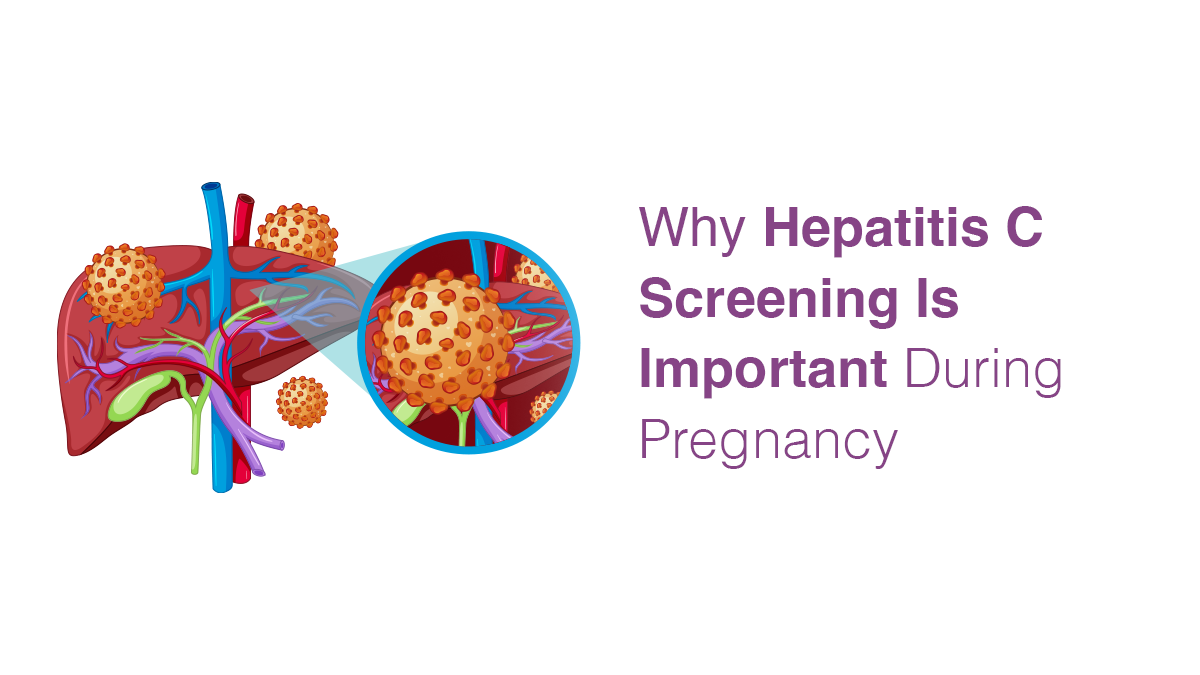
Hepatitis C is a viral infection caused by the hepatitis C virus (HCV) that primarily affects the liver. If untreated, it can lead to long-term liver damage such as scarring (fibrosis), liver failure, or liver cancer. Hepatitis C is considered a significant public health concern, and awareness about its presence in pregnancy is still limited.
When it comes to hepatitis and pregnancy, the focus is not only on the mother’s health but also on the baby’s safety. Pregnancy changes how the body’s immune system and liver function work. This means that hepatitis C may behave differently during this time. Detecting it early is important for proper care and to prevent passing the virus to the baby.
A hepatitis C test in pregnancy helps doctors identify if the mother carries the virus. Early diagnosis allows proper monitoring, treatment planning after delivery, and safe management throughout pregnancy.
Current Global Guidelines for HCV Screening in Pregnancy
Although India does not yet have universal screening guidelines for hepatitis C during pregnancy, several international health bodies recommend it. These global recommendations can serve as a useful direction for Indian practitioners and expectant mothers.
CDC Recommendations
The CDC has recommended that all pregnant women be tested for hepatitis C during each pregnancy, regardless of whether they have risk factors. You will have to take a simple blood test for hepatitis C antibodies. If this comes back positive, doctors confirm infection with an HCV RNA test.
This recommendation arose because many infected women have no symptoms, and risk-based screening alone was missing many cases. Universal testing ensures no mother or baby is overlooked.
ACOG Guidance
The American College of Obstetricians and Gynecologists (ACOG) supports the same idea, that every pregnant woman should get a hepatitis C test in pregnancy, ideally during the first prenatal visit. Early testing helps doctors provide better pregnancy care and ensures timely follow-up if needed.
SMFM Insights
The Society for Maternal-Fetal Medicine (SMFM) also recommends universal hepatitis C screening during pregnancy. Their research shows that early detection allows for safer delivery planning and helps prevent transmission to the baby.
For India, while routine testing for HIV and hepatitis B is already common in antenatal check-ups, hepatitis C testing during pregnancy is increasingly being included in many hospitals and fertility centres as part of comprehensive prenatal screening.
What Are The Risks of Undiagnosed Hepatitis C During Pregnancy?
Impact on Maternal Health and Pregnancy Outcomes
Undiagnosed hepatitis C can pose several health concerns during pregnancy:
- Maternal complications: Some studies suggest that mothers with untreated HCV infection may have a higher risk of developing liver inflammation or complications like cholestasis (a condition where bile flow is reduced).
- Pregnancy issues: It can sometimes lead to low birth weight, premature delivery, or gestational diabetes.
- Transmission to the baby: There is a chance (about 5–7%) that the virus can pass from mother to child during pregnancy or delivery if the infection is active.
- Long-term liver damage: For the mother, untreated HCV can continue to harm the liver over the years, even if she has no visible symptoms.
Among viral infections affecting expectant mothers, hepatitis C is considered one of the most common hepatitis in pregnancy linked to blood-borne transmission.
Identifying it early through a hepatitis C test in pregnancy helps doctors take preventive steps and plan safe delivery and postpartum care.
Steps After a Positive Test
Diagnostic Confirmation with HCV RNA Testing
If the initial blood test for hepatitis C antibodies is positive, the next step is an HCV RNA test. This confirms whether the virus is actively present in the bloodstream. If the RNA test is positive, it means there is an active infection that needs monitoring.
Doctors may also check liver function through simple blood tests and look for signs of liver stress. In India, many fertility and maternity centres coordinate closely with liver specialists when a patient tests positive during pregnancy.
How Is Hepatitis C Treated in Pregnancy?
At present, the treatment for hepatitis C involves direct-acting antiviral (DAA) medicines, which have a very high cure rate. However, these drugs are generally not given during pregnancy because safety data in pregnant women is still limited.
Here’s what usually happens:
- Before pregnancy: If hepatitis C is detected before conception, it’s best to complete treatment before getting pregnant.
- During pregnancy: If detected during pregnancy, the infection is monitored, and treatment is usually postponed until after delivery.
- After childbirth: Once the mother has delivered and finished breastfeeding, antiviral therapy can safely begin, ensuring full recovery.
This careful approach ensures the safety of mother and baby while providing a clear plan for a complete cure later on.
The management of hepatitis C in pregnancy, therefore, involves coordination between obstetricians, hepatologists, and infectious disease specialists to monitor both maternal and foetal well-being.
Practical Tips for Expecting Mothers and Providers
When to Screen During Pregnancy?
In India, most prenatal check-ups include standard tests for infections like HIV, hepatitis B, and syphilis. Increasingly, obstetricians are recommending adding a hepatitis C test in pregnancy to this list, especially at the first antenatal visit or during the first trimester.
For expecting mothers:
- Ask your gynaecologist if a hepatitis C test is part of your early pregnancy screening.
- If you have a history of blood transfusions, dialysis, or previous surgeries, mention it to your doctor, as these can slightly increase risk.
- Follow all medical advice and keep your scheduled check-ups.
For healthcare providers:
- Include hepatitis C screening as a part of early antenatal blood tests.
- If a mother tests positive, arrange for liver assessments and multidisciplinary care.
- Educate mothers that hepatitis C is not a stigma; it’s a treatable infection, and identifying it early helps both her and her baby.
Simple awareness and timely screening can make a huge difference in preventing complications related to hepatitis and pregnancy.
Conclusion
A hepatitis C test in pregnancy is an important step toward ensuring a healthy pregnancy and protecting the baby from infection. Since hepatitis C often shows no symptoms, early testing is the only way to detect it and manage it effectively. Global health agencies like CDC, ACOG, and SMFM strongly advocate universal screening, and India is steadily moving in that direction. If you get tested early in pregnancy, preferably during the first visit, it helps doctors provide safer, personalised care.
At Oasis Fertility, we are committed to supporting every woman through safe and healthy pregnancies. Our expert team offers comprehensive prenatal care, including testing for conditions like hepatitis C. For more information or to book a consultation, please contact 1800-3001-1000.