


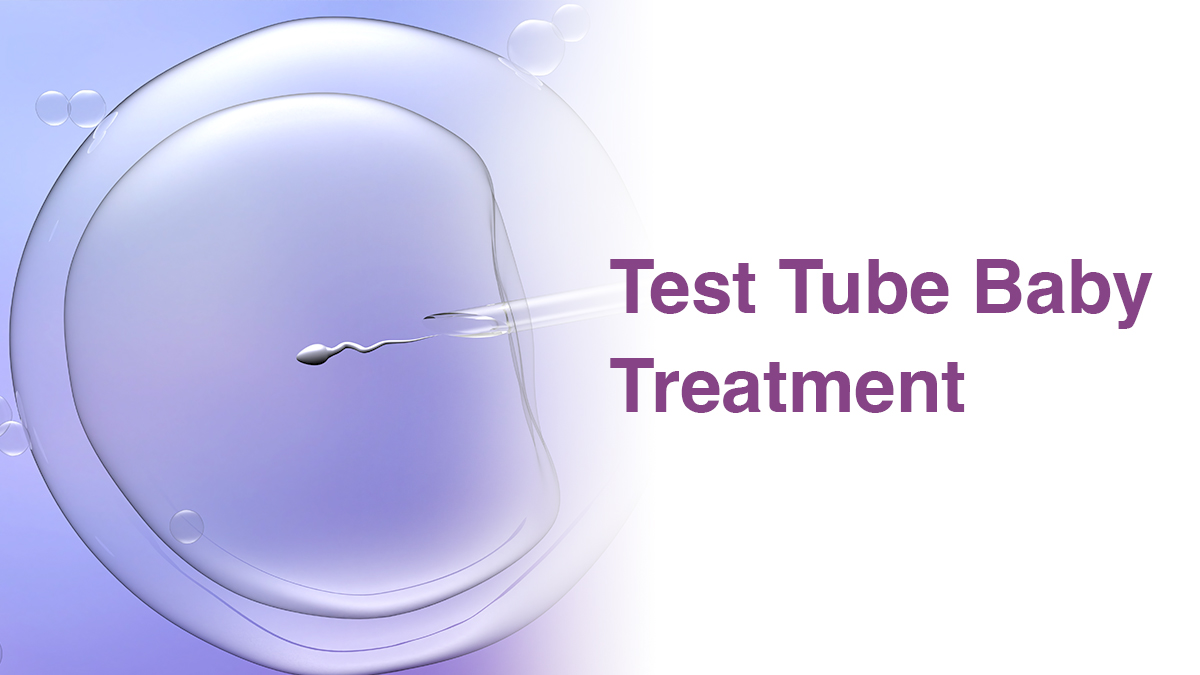
Test tube baby treatment is an advanced fertility treatment that helps couples achieve pregnancy when natural conception becomes difficult. In this process, the woman’s egg and the man’s sperm are fertilized in a specialized fertility laboratory, and the developed embryo is then transferred into the uterus to support pregnancy.
For many couples struggling with infertility, the journey to parenthood can feel emotionally overwhelming, stressful, and uncertain. However, advancements in fertility science have made test tube baby treatment one of the most successful and trusted solutions for infertility across India.
Today, thousands of couples are successfully becoming parents through modern fertility treatments with the support of experienced fertility specialists and advanced reproductive technology.
In this comprehensive guide, you will learn everything about test tube baby treatment in India including how the process works, step-by-step treatment stages, costs, success rates, risks, precautions, and important things to know before starting treatment.
What is Test Tube Baby?
A test tube baby is a baby conceived through an advanced fertility treatment where the egg and sperm are fertilised outside the body in a specialized laboratory. After fertilisation, the developed embryo is carefully transferred into the woman’s uterus to support pregnancy.
This treatment is medically known as In Vitro Fertilisation (IVF) and is commonly recommended for couples facing infertility issues such as blocked fallopian tubes, low sperm count, ovulation problems, or unexplained infertility.
The term “test tube baby” became widely known in 1978 after the birth of Louise Brown, the world’s first baby born through this treatment. Since then, millions of healthy babies have been born globally through test tube baby treatment.
How Does Test Tube Baby Treatment Work?
Test tube baby treatment works by helping fertilisation happen outside the body under carefully controlled laboratory conditions. In this process, the woman’s eggs are collected and combined with the man’s sperm in a specialized fertility lab. Once a healthy embryo develops, it is transferred into the woman’s uterus to support pregnancy.
Step-by-Step Test Tube Baby Process
Test tube baby treatment involves multiple carefully monitored stages designed to improve the chances of successful fertilisation and pregnancy. Here’s a detailed step-by-step explanation of how the process works.
Step 1: Initial Consultation and Fertility Assessment
The journey begins with a detailed fertility evaluation for both partners. The fertility specialist reviews medical history, lifestyle factors, previous pregnancies, menstrual history, and overall reproductive health.
Tests may include:
· Hormone blood tests
· Ultrasound scans
· Ovarian reserve testing
· Semen analysis
· Thyroid and fertility-related investigations
This assessment helps identify the cause of infertility and allows the doctor to create a personalized treatment plan.
Step 2: Ovarian Stimulation
During a natural cycle, a woman usually releases one egg. In test tube baby treatment, fertility medications and hormonal injections are used to stimulate the ovaries to produce multiple mature eggs.
The stimulation phase usually lasts 8 to 14 days and is closely monitored through:
· Ultrasound scans
· Hormone level testing
· Follicle growth tracking
Careful monitoring helps improve egg quality and reduce complications.
Step 3: Egg Retrieval (Ovum Pick-Up)
Once the eggs are mature, they are collected through a minor procedure called Ovum Pick-Up (OPU) or egg retrieval.
During egg retrieval procedure:
· Mild sedation is given for comfort
· A thin ultrasound-guided needle retrieves the eggs
· The process usually takes 20–30 minutes
· Most patients return home the same day
The collected eggs are immediately transferred to the fertility laboratory for further processing.
Step 4: Sperm Collection and Preparation
On the same day as egg retrieval, the male partner provides a semen sample. The sample is carefully processed in the lab to select the healthiest and most active sperm.
In cases of male infertility, advanced fertility techniques such as Intracytoplasmic Sperm Injection (ICSI) may be recommended to improve fertilisation chances.
Step 5: Fertilisation in the Lab
The retrieved eggs and prepared sperm are combined in a specialized fertility laboratory under controlled conditions.
Fertilisation may happen through:
· Conventional fertilisation
· ICSI treatment, where a single sperm is injected directly into the egg
The fertilised eggs are monitored carefully over the next few days by experienced embryologists.
Step 6: Embryo Development and Selection
After successful fertilisation, the embryos continue developing in the lab for approximately 3 to 5 days.
Embryologists assess:
· Embryo quality
· Cell division
· Growth pattern
· Overall development
The healthiest embryo is selected for transfer, while additional healthy embryos may be frozen for future pregnancy attempts.
Step 7: Embryo Transfer
Embryo transfer is one of the most important stages of the test tube baby process.
During embryo transfer procedure:
· A soft, thin catheter is used
· The selected embryo is placed into the uterus
· The process is generally painless
· Sedation is usually not required
After the transfer, hormonal support medications such as progesterone may be prescribed to support implantation and early pregnancy.
Step 8: The Two-Week Wait and Pregnancy Test
The final stage involves waiting for implantation and pregnancy development.
Approximately 10 to 14 days after embryo transfer, a blood pregnancy test (beta-hCG test) is performed to confirm pregnancy.
This waiting period can feel emotionally stressful for many couples. Emotional support, proper rest, stress management, and regular communication with the fertility team can help during this phase.
Test Tube Baby Cost in India
The cost of test tube baby treatment in India typically ranges from ₹80,000 to ₹2,50,000 per cycle, depending on the treatment plan, fertility condition, medications, and technologies
involved. Additional procedures such as ICSI, donor programs, embryo freezing, or genetic testing may increase the overall cost.
One of the most common questions couples ask is: “How much does test tube baby treatment cost in India?” While there is no single fixed price, understanding the different components involved can help you plan your fertility journey more confidently.
Estimated Test Tube Baby Treatment Cost in India
| Treatment Approximate Cost (INR) | Approximate Cost (INR) |
| Basic Test Tube Baby Cycle | ₹80,000 – ₹1,50,000 |
| Test Tube Baby Treatment with ICSI | ₹1,20,000 – ₹2,00,000 |
| Test Tube Baby Treatment with Donor Eggs | ₹1,50,000 – ₹2,50,000 |
| Frozen Embryo Transfer (FET) | ₹30,000 – ₹60,000 |
| Preimplantation Genetic Testing (PGT) | ₹2,00,000 – ₹3,50,000 |
| Egg Freezing or Sperm Freezing | ₹15,000 – ₹40,000 |
Note: Costs are approximate and may vary depending on the clinic, city, medical requirements, and treatment complexity. Most fertility centres charge on a per-cycle basis, while some may offer package plans that include multiple treatment cycles.
What Factors Affect Test Tube Baby Cost in India?
Several factors influence the overall treatment cost, including:
· City and location of the fertility centre
· Experience of the fertility specialist
· Type of treatment required
· Fertility medications and injections
· Number of treatment cycles needed
· Embryology lab technology and infrastructure
· Additional procedures such as ICSI, PGT, embryo freezing, or donor programs
· Diagnostic investigations and fertility testing
Compared to Western countries, test tube baby treatment cost in India is significantly more affordable without compromising on quality or outcomes. This is why India has also become a leading destination for fertility tourism.
What is the Success Rate of Test Tube Baby Treatment?
The success rate of test tube baby treatment in India generally ranges from 40% to 69% per cycle for women below 35 years of age. Success rates vary depending on factors such as age, egg quality, sperm quality, embryo quality, and overall reproductive health.
Test Tube Baby Success Rates by Age
|
Age Group |
Approximate Success Rate Per Cycle |
|
Below 35 years |
40% – 69% |
|
35–37 years |
35% – 50% |
|
38–40 years |
25% – 45% |
| 41–42 years |
15% – 25% |
| Above 42 years |
10% – 20% (using own eggs); often higher with donor eggs |
While age is one of the most important factors affecting success, outcomes can also be influenced by fertility conditions, embryo development, uterine health, lifestyle habits, and the expertise of the fertility team.
What Can Improve Success Rates?
- Choosing an experienced fertility specialist and advanced fertility centre
- Following medications and treatment instructions carefully
- Maintaining a healthy weight and balanced diet
- Avoiding smoking, alcohol, and excessive stress
- Considering additional procedures such as genetic testing when recommended
Important: Success rates are averages, not guarantees. Some couples achieve pregnancy in their first cycle, while others may require multiple treatment cycles to achieve a successful pregnancy.
Who Needs Test Tube Baby Treatment?
Test tube baby treatment is typically recommended for individuals or couples who are unable to conceive naturally or have not achieved pregnancy despite trying other fertility treatments. It can help overcome a wide range of female, male, and unexplained infertility conditions.
You may be a suitable candidate for test tube baby treatment if you have any of the following:
Female Fertility Conditions
- Blocked or damaged fallopian tubes
- Polycystic Ovarian Syndrome (PCOS) that has not responded to other treatments
- Endometriosis affecting fertility
- Ovulation disorders
- Diminished ovarian reserve or poor egg quality
- Age-related fertility decline, especially after 35 years
- Recurrent pregnancy loss
Male Fertility Conditions
- Low sperm count
- Poor sperm motility
- Abnormal sperm morphology
- Severe male factor infertility
- Previous failed fertility treatments due to sperm-related issues
Other Situations Where Test Tube Baby Treatment May Help
- Unexplained infertility
- Multiple failed IUI cycles
- Couples requiring genetic testing before pregnancy
- Fertility preservation after medical treatments
- Individuals using donor eggs, donor sperm, or donor embryos
- Same-sex couples and single individuals planning biological parenthood
Things to Do Before & During Test Tube Baby Treatment
Preparing well for test tube baby treatment can have a positive impact on your outcomes. Here is what fertility specialists typically recommend:
Before Treatment
- Schedule a pre-treatment health check-up and complete all recommended tests
- Reach and maintain a healthy BMI (Body Mass Index)
- Start taking folic acid supplements at least 3 months before the cycle
- Eat a nutritious, balanced diet rich in antioxidants, proteins, and healthy fats
- Exercise moderately and avoid extreme physical activity
- Discuss all medications (including supplements and herbal remedies) with your doctor
- Attend counselling sessions if you feel anxious or emotionally overwhelmed
During Treatment
- Take all medications exactly as prescribed timing matters
- Attend all monitoring appointments without skipping
- Stay hydrated and eat well throughout the stimulation phase
- Rest adequately, especially after egg retrieval and embryo transfer
- Keep stress levels low try gentle yoga, meditation, or breathing exercises
- Stay informed but avoid excessive online research that can increase anxiety
- Communicate openly with your fertility team about any discomfort or concerns
Things to Avoid During Test Tube Baby Treatment
Certain lifestyle habits and behaviours can interfere with the test tube baby process. Here is what to avoid:
- Smoking it reduces egg quality, sperm quality, and implantation rates
- Alcohol avoid completely during the treatment cycle
- Caffeine limit intake to one small cup per day or eliminate it entirely
- High-intensity workouts avoid heavy lifting and intense cardio during stimulation and after transfer
- Self-medication do not take any over-the-counter medicines without consulting your doctor
- Hot tubs, saunas, or very hot baths heat can affect sperm quality
- Stress and emotional overload practice mindfulness and seek support when needed
- Unhealthy diet avoids junk food, processed foods, and excessive sugar
- Skipping doses of prescribed medications consistency is critical
Risks & Side Effects of Test Tube Baby Treatment
Like any medical procedure, test tube baby treatment comes with some risks. Being informed helps you make better decisions and manage any challenges confidently.
Common Side Effects
- Bloating and mild abdominal discomfort during stimulation
- Mood swings due to hormonal medications
- Mild bruising or soreness at injection sites
- Fatigue, particularly after egg retrieval
- Light spotting after embryo transfer
Less Common but Important Risks
- Ovarian Hyperstimulation Syndrome (OHSS) in rare cases, ovaries can over-respond to stimulation, causing significant discomfort; mild OHSS is manageable, while severe OHSS requires medical attention
- Multiple pregnancies transferring more than one embryo can increase the chance of twins or triplets, which carry additional pregnancy risks
- Ectopic pregnancy an embryo that implants outside the uterus; this is rare but requires immediate medical care
- Emotional stress the emotional toll of fertility treatment is real and should not be underestimated
At a reputable fertility centre, your medical team will take every precaution to minimise these risks and monitor you closely throughout the process.
When Should You Consult a Fertility Specialist?
Many couples wonder how long they should try to conceive naturally before seeking medical help. While every fertility journey is unique, the following guidelines can help determine when it may be time to consult a fertility specialist.
| Your Situation | When to Consult a Fertility Specialist |
| Woman under 35 years | After 12 months of regular unprotected intercourse without pregnancy |
| Woman aged 35–40 years | After 6 months of trying without success |
| Woman over 40 years | Consultimmediately; early evaluation is recommended |
| Irregular periods or ovulation problems | Consult as soon as you begin trying to conceive |
| PCOS, endometriosis, or blocked fallopian tubes | Seek fertility advice before or soon after starting your pregnancy journey |
| Male fertility concerns (low sperm count, poor motility,previousfertility issues) | Consultimmediatelyand undergo semen analysis |
| Recurrent miscarriages (two or more pregnancy losses) | Seek specialist evaluation without delay |
| Previouscancer treatment or fertility preservation concerns | Consult beforeattemptingconception |
Early consultation does not necessarily mean you will need test tube baby treatment. Many couples achieve pregnancy through lifestyle modifications, medication, ovulation induction, or other fertility treatments. However, a timely fertility assessment can help identify potential challenges early and ensure you receive the most appropriate care.
If you have been trying to conceive without success, don’t let uncertainty delay your next step. Consulting a fertility specialist early can provide clarity, reassurance, and access to the right treatment options for your situation.
Quick Takeaway: If you’re under 35 and have been trying for over a year, or over 35 and trying for more than six months without success, it’s time to consult a fertility specialist.
Why Oasis Fertility is One of the Trusted Test Tube Baby Centres in India
Choosing the right fertility centre is one of the most important decisions you will make on this journey. You need a team that combines medical excellence with genuine compassion a place where you feel seen, heard, and supported every step of the way.
Here are why lakhs of couples across India trust Oasis Fertility for test tube baby treatment:
| What We Offer | What It Means for You |
| 16+ Years of Expertise | Extensive experience in managing a wide range of fertility conditions |
| Advanced Fertility Labs | Modern embryology laboratories equipped with advanced reproductive technologies |
| Experienced Fertility Specialists | Dedicated fertility experts providing personalized treatment guidance |
| Personalised Treatment Plans | Individualized care based on your medical history, fertility condition, and goals |
| Ethical & Transparent Care | Clear treatment recommendations and evidence-based medical practices |
| Advanced Treatment Protocols | Comprehensive fertility solutions tailored to improve treatment outcomes |
| Compassionate Patient Support | Counselling, emotional support, and guidance throughout the journey |
| Nationwide Presence | Access to fertility care across multiple centres in India |
At Oasis Fertility, we recognize that every fertility journey is unique. Our team works closely with each patient to understand their specific challenges, explain available treatment options, and create a personalized path toward parenthood.
Whether you are exploring fertility treatment for the first time or seeking guidance after previous unsuccessful attempts, our specialists are committed to providing expert care, clinical excellence, and compassionate support at every stage.
Take the first step today. Reach out to an Oasis Fertility specialist and begin your journey to parenthood.
Medical Disclaimer: This article is for informational purposes only and does not constitute medical advice. Please consult a qualified fertility specialist for personalised guidance.