


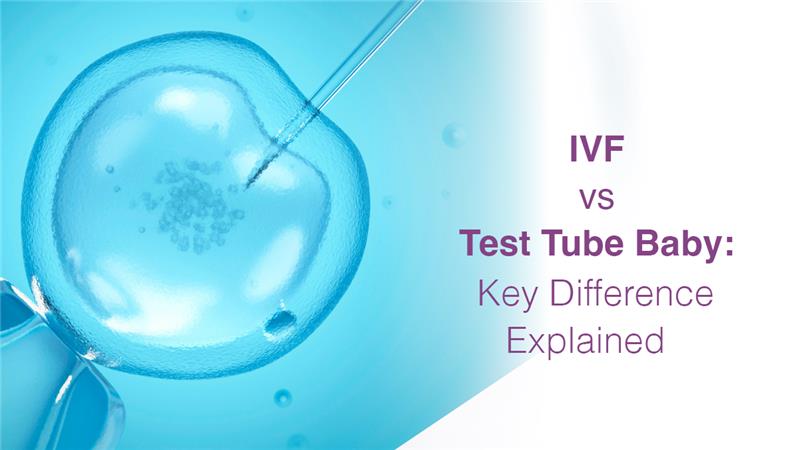
The topic of IVF vs Test Tube Baby often creates confusion among couples exploring fertility treatment for the first time. Many people think these two terms describe different medical procedures. In reality, they refer to the same treatment. The phrase “test-tube baby” is a popular term that became famous years ago, while IVF (In-Vitro Fertilization) is the correct medical term.
When you understand what IVF truly involves, the confusion becomes clear. This article will explain how IVF works, where the term “test-tube baby” came from, and what the real difference is between the two. The goal is to simplify the topic so that any layperson can understand it without a medical background.
What does IVF involve?
IVF is a complex process, but experts know how to handle it. Let’s understand the steps involved in IVF:
How does the Process work?
IVF stands for “In-Vitro Fertilization.” “In-Vitro” means “outside the body.” In this process, doctors collect eggs from a woman’s ovaries and sperm from a partner or donor. The egg and sperm are combined in a lab under controlled conditions. When fertilization happens, an embryo forms. This embryo is then transferred to the woman’s uterus to grow naturally, just like any normal pregnancy.
The IVF process generally includes:
- Hormone treatment to stimulate egg production
- Egg retrieval from the ovaries
- Fertilization in the lab
- Embryo growth for a few days
- Embryo transfer to the uterus
Once the embryo is placed in the uterus, the rest of the pregnancy continues naturally. So, when discussing IVF vs Test Tube Baby, remember that the technique behind both terms is simply this process.
When Is IVF Recommended?
Doctors recommend IVF in different situations, such as:
- Previous failed fertility treatments
IVF gives couples a chance to conceive even when natural methods are unsuccessful. Understanding its purpose helps clear doubts about IVF vs Test Tube Baby, especially if you are researching treatment options.
What People Mean by “Test-Tube Baby”?
There are several meanings surrounding test-tube, but what are the facts? Let’s understand in detail.
How the Term Originated?
The phrase “test-tube baby” became popular when the world’s first IVF baby, Louise Brown, was born in 1978. At the time, the idea of creating life outside the body was new and exciting. People imagined that the baby was grown inside a test tube, simply because fertilization happened in a laboratory. The media used the phrase widely, and it has stayed in the common language even today.
Why the Term Can Be Confusing?
The term “test-tube baby” makes people believe it is a different treatment from IVF, which leads to confusion. In reality, the baby is not grown in a test tube. Only the fertilization step happens outside the body. After that, the baby develops in the mother’s uterus exactly like any other pregnancy. So, when discussing IVF vs Test Tube Baby, it’s important to understand that there is no separate test-tube method.
Key Differences Between IVF and “Test-Tube Baby”
There is no medical difference between IVF and the term “test-tube baby.”
- IVF is the scientific and correct term.
- Test-tube baby is a casual or popular term that people use in everyday conversation.
So, when it comes to IVF vs Test Tube Baby, you are actually comparing a medical term with a nickname for the same procedure.
Myths and Misunderstandings
People often don’t understand the intricacies of IVF and spread myths about the same but here are some facts about IVF everyone must know about:
Misbelief: Babies Born Through IVF Are “Different”
Some people believe that IVF babies are different in behaviour, development, or health. This is not true. Babies born through IVF are like any other baby. They grow, learn, and develop just like children conceived naturally.
Misbelief: The Procedure Uses a Literal Test Tube
In reality, the fertilization usually takes place in specialized lab dishes or culture plates, not test tubes. The term “test-tube baby” is symbolic, not literal. It was created by the media for easier understanding.
Misbelief: IVF Leads to More Complications
Like any medical treatment, IVF has some risks. But children born through IVF are not automatically at higher risk of complications. Many healthy adults today were born through IVF. A woman’s health, age, and pregnancy care play a bigger role than the IVF process itself.
Misbelief: “Test-Tube Baby” Is a Separate Treatment
When people search for IVF vs Test Tube Baby, they often assume they are dealing with two different procedures. In truth, there is only one treatment—IVF. The test-tube term is just a popular nickname.
Why Clarity Matters for Fertility Patients?
When couples look for help, they need clear information. Confusing terms can create fear or hesitation. Some people feel embarrassed or judged because of the phrase “test-tube baby,” even though it is the same as IVF. Understanding the real meaning gives couples confidence and reduces stress.
Doctors prefer the term IVF because it explains the science correctly. With the internet full of myths, reliable knowledge becomes even more important. When patients clearly understand IVF vs Test Tube Baby, they feel more in control of their treatment decisions.
Final Thoughts
The debate around IVF vs Test Tube Baby exists only because of language, not science. IVF is the medical procedure used to help couples conceive. The term “test-tube baby” is just a historic expression that became popular in newspapers and the media. The baby grows inside the mother’s uterus, not in a test tube.
If you want to understand more, head over to the Oasis Fertility Clinic near you to understand more from the reputed fertility specialists. You can also call us at 1800-3001-1000 or use our live chat option for prompt assistance.
Today, millions of happy, healthy children around the world were born with the help of IVF. When people understand the truth, the myths fade away, and parents can focus on what truly matters, starting their family with confidence and care.