








Fertility is a crucial aspect of reproductive health, with both men and women struggling to have babies. Fertility issues can arise from various factors, including age, lifestyle choices, medical conditions, and environmental impact. While male infertility often presents problems related to sperm production, quality, or delivery which come from genetic conditions, hormonal imbalances, infections, or exposure to toxins, female infertility shows conditions like ovulation disorders, fallopian tube damage, endometriosis, or uterine abnormalities.
Fertility can be impacted, both in men and women, by lifestyle factors such as smoking, alcohol consumption, and obesity. Advances in medical research have significantly improved our understanding of infertility, leading to more effective diagnostic methods and treatments. Assisted reproductive technologies like in vitro fertilization (IVF) and intrauterine insemination (IUI) offer hope to many couples.
Infertility in Women


Female infertility has become a common concern among couples trying to get pregnant. This often occurs due to issues with ovulation, hormonal imbalance, fallopian tube blockage or damage, endometriosis, or uterine abnormalities.
Advances in medical research have enhanced our understanding of female infertility, resulting in improved diagnostic methods and treatments. With the right fertility treatments, many women can overcome infertility challenges and achieve successful pregnancies.
Infertility in Men


Male infertility often happens because of issues with sperm production, function, or delivery, concerning many couples trying to conceive. Advanced diagnostic methods and treatments like semen analysis and DFI testing have been supporting in dealing with infertility in men.
Hormonal evaluations and genetic testing further help identify underlying issues. Comprehensive assessments provide valuable insights, guiding appropriate and effective management strategies for male infertility.
Treatments for Infertility

In Vitro Fertilization (IVF)
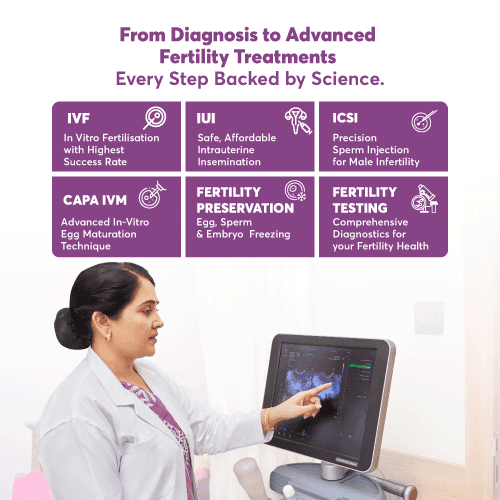
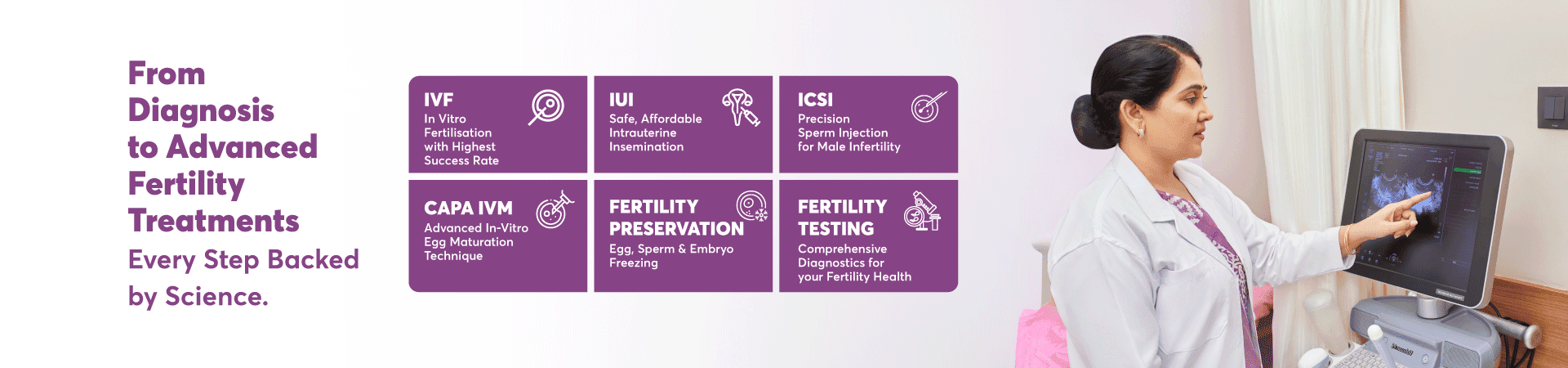
In Vitro Fertilization (IVF) is a widely used fertility treatment that helps couples have healthy babies. IVF process involves fertilizing an egg with a healthy sperm outside the body, in a laboratory, to form an embryo and then implanting it into the uterus. It is an effective method for couples with various fertility issues such as ovulation disorders and male infertility. High Success Rates: IVF has been proven to give couples better chances of having a pregnancy and a healthy baby. Control Over Timing: You can plan your pregnancy when you are ready. Pre-implantation genetic testing for embryo screening: Pre-implantation genetic testing to ensure the health of the embryos.Know more