


Hormones are an integral factor in the systematic functioning of the human system. They play a major role in the proper functioning of the human reproductive system. The female reproductive system and the menstrual cycle are largely affected by hormones, and any disruption in the delicate balance of the hormones can lead to fertility issues.
Hormonal imbalance is the most common reason for infertility among women. Although advanced medicine can treat hormonal imbalances, holistic methods help in treating and healing the endocrine system and overall human system, thanks to their own set of benefits. One such holistic approach that is garnering attention in recent times is the concept of “seed cycling”.
Let’s see what is seed cycling and if it is just another trend or does it help.
What is seed cycling?
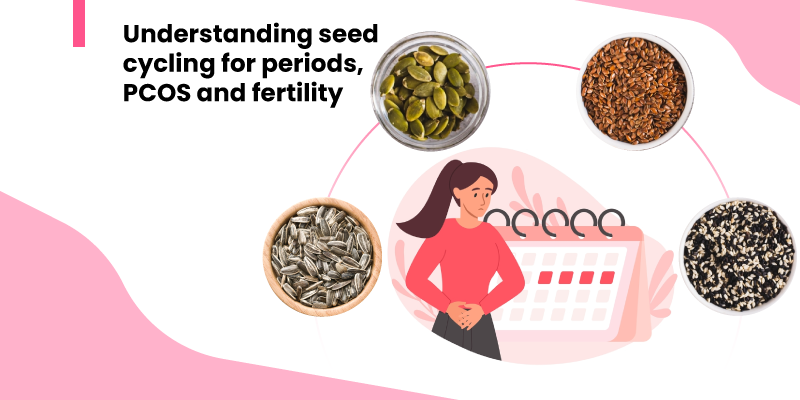
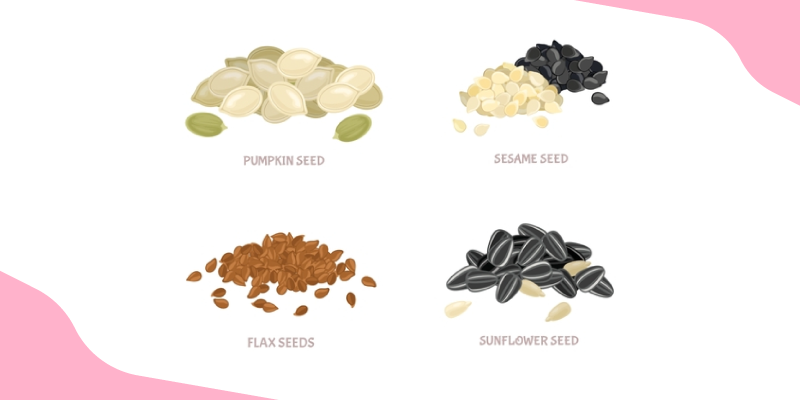
Seed cycling involves consuming flax, pumpkin, sunflower, and sesame seeds during various stages of the menstrual cycle, i.e., follicular phase and luteal phase. It helps in balancing the hormones and improves fertility in women.
How does seed cycling work?
The concept of seed cycling for periods and seed cycling for PCOS gained momentum among women due to its effectiveness in supporting the balance of the key hormones (estrogen and progesterone) that are constantly changing during the menstrual cycle. While the mechanism behind seed cycling remains largely theoretical, nutrients from these seeds are scientifically recognized for their roles in hormone production, liver detoxification, and reproductive health.
Understanding the Phases of the Menstrual Cycle
To understand seed cycling benefits better, it is important to understand the menstrual cycle and its phases. An average menstrual cycle is 28 days long and has 2 phases.
The phases of the menstrual cycle include:
Follicular phase:
This is the first phase that is counted from the first day of the period to the day of ovulation i.e. the first two weeks (day 1-14) of the menstrual cycle. In this phase, the uterus lining is shed, and the follicle-stimulating hormone (FSH) stimulates the ovaries and initiates egg development. This process leads to a rise in estrogen levels. Healthy estrogen levels help in the building of the uterine lining and boost libido.
Luteal phase:
Day 15 – 28 of the menstrual cycle is called the Luteal phase i.e. it starts from ovulation until the next period. Progesterone is the dominant hormone during the luteal phase. After ovulation, progesterone levels rise to help in implantation and maintaining a pregnancy during the 1st trimester.

What are seed cycling benefits?
There are several benefits of seed cycling, let’s understand it in detail
1. Seed cycling for periods:
Seed cycling for periods is an effective and natural method to get irregular periods back on track.
- During the follicular phase, consume flax seeds and pumpkin seeds. The lignans and phytoestrogens present in the flax seeds balance the estrogen levels by mimicking estrogen. Flax seeds can also have a beneficial role in increasing progesterone production during the luteal phase. Pumpkin seeds are a rich source of omega-3 fatty acids.
- During the luteal phase, add a spoon of sunflower seeds and sesame seeds to support the production of progesterone. The lignans in the sesame seeds have been shown to support the balance of progesterone hormone and improve blood cholesterol levels and antioxidants in postmenopausal women. Sunflower seeds are an excellent source of healthy fats that are essential for the proper functioning of the reproductive system.
Using seed cycling for PCOS yields multiple benefits, such as reducing the number of ovarian cysts.
- Zinc present in the pumpkin and sesame seeds improves the hormonal balance of progesterone and estrogen levels and their function by lowering androgens. Using seed cycling for PCOS also improves thyroid function.
- The omega-3 fatty acids found in flax seeds and sunflower seeds help in lowering insulin resistance and blood cholesterol levels.
3. Seed cycling for fertility:
Owing to the multiple benefits of seed cycling, such as balanced hormones, regulated menstrual cycle, improved ovulation, and increased progesterone and estrogen levels, it would be safe to say that seed cycling is beneficial for improving fertility too.
- Vitamin E present in the sunflower seeds improves the quality of the egg and sperm to improve the chances of fertilization and positive pregnancy outcomes.
- Antioxidants present in the seeds reduce inflammation to increase implantation chances.
4. Seed Cycling for Hormonal Balance
Beyond reproductive health, the nutrient in seed cycling supports overall endocrine function. Regular intake of these seeds can:
- Help manage mood swings and fatigue
- Improve skin and hair health
- Support thyroid regulation
- Reduce menopausal symptoms such as hot flashes
These effects come from the bioactive compounds in the seeds rather than hormonal replacement, making seed cycling a gentle, food-based approach.
Related Read – 10 Foods to Improve Female Egg Quality
If you are going through IVF treatment, it’s best to ask your doctor before starting seed cycling.
When to start seed cycling for Hormone Balance?
The best time to eat seeds for seed cycling is on the first day of the menstrual cycle.
From day 1 to day 14 of your menstrual cycle (follicular phase): You can consume 1-2 tablespoons each of ground flax seeds and ground pumpkin seeds.
From day 15 to day 28 of the cycle (luteal phase): You’ll need to have 1-2 tablespoons each of ground sesame seeds and ground sunflower seeds.
What if your menstrual cycle is longer or shorter than 28 days? Don’t worry. Simply follow a 14-day schedule for seed cycling. It will help bring your menstrual cycle on track.
Best Time to Eat Seeds for Seed Cycling
There’s no strict rule for timing, but most nutritionists recommend taking the seeds in the morning, either with breakfast or smoothies, to improve digestion and nutrient absorption.
How to incorporate seed cycling into your everyday routine?
It’s best to consume the seeds in their raw form. You can grind the seeds in a coffee or spice grinder.
- You can make the seeds part of your breakfast cereal or sprinkle some on your toast or paratha.
- Make a smoothie or lassi with the seeds to carry to office.
- Add the seeds to your salad or soup. You can even make a fruit chaat by adding the seeds.
- Have a bowl of yogurt with the seeds added.
- Sprinkle the seed mix to whatever veggies you’re having for dinner.
What If You Have an Irregular or Missing Period (Amenorrhea)?
If your period is absent or inconsistent, seed cycling can still help regulate hormonal patterns over time. Start with a 28-day framework:
- Days 1–14: Flax + pumpkin seeds
- Days 15–28: Sesame + sunflower seeds
The goal is to create a nutritional rhythm that signals your endocrine system to restore balance. However, amenorrhea can stem from various causes, from stress to thyroid disorders or PCOS, so it’s essential to consult a gynecologist or endocrinologist before relying on seed cycling alone.
Seed Cycling During Pregnancy: Is It Safe or Helpful?
There’s limited evidence on using seed cycling during pregnancy. Most of the nutrients are beneficial for prenatal health, but dosage and hormonal implications vary.
- Flax and sesame seeds contain lignans, which act as mild phytoestrogens. These are generally safe in moderate amounts but should not replace prenatal nutrition plans.
- Sunflower and pumpkin seeds are rich in essential fats that support fetal development.
Medical disclaimer: Always discuss with your obstetrician or fertility specialist before starting or continuing seed cycling during pregnancy or IVF treatment.
Seed Cycling Side Effects
Seed cycling is generally well-tolerated, but like any dietary intervention, it may have mild side effects like digestive issues or hormonal sensitivity if not balanced properly. To minimize seed cycling side effects, start with smaller quantities and ensure seeds are fresh and well-ground. Always consult your healthcare provider if you have thyroid disorders, endometriosis, or are taking hormone therapy.
What Does Research Say? Does Seed Cycling Really Work?
Currently, seed cycling lacks large-scale clinical evidence. Most claims are based on nutrient science rather than controlled hormonal studies. However, existing research supports the individual benefits of the key nutrients involved:
- Flax seeds: Studies suggest lignans can positively influence estrogen metabolism and menstrual regularity.
- Zinc and selenium: Proven to support reproductive hormone function and reduce oxidative stress.
- Omega-3 fatty acids: Shown to help regulate inflammatory markers and support ovulation.
Thus, while seed cycling itself isn’t yet a scientifically validated treatment, it provides nutritional support that complements medical care and lifestyle management for hormonal health.
Take away:
Essential fatty acids, vitamins, minerals, and antioxidants that are vital for the proper functioning of the reproductive system are contributed by the four seeds that can have an impact on the hormonal health of a woman. Although, it is important to remember that this is not the complete cure for hormonal imbalance, consult with a fertility specialist before you opt for seed cycling.