







Magnetic-Activated Cell Sorting (MACS) For Male Fertility
- How it Works
- Suitable For
- Process
- Cost
- Results
- Success Rate
- FAQs
The success of fertility treatments depends on various factors and one of the major factors is the quality of oocytes and sperm. Higher DNA fragmentation in sperms can lead to lower male fertility, poor-grade embryos, and a higher chance of miscarriages. Various advancements have been made to select healthy sperms with lower DNA fragmentation, such as, Magnetic-Activated Cell Sorting (MACS). MACS uses specialised magnetic beads to remove apoptotic and damaged sperms. It helps to improve fertility treatment outcomes with IUI, IVF- ICSI.

Male Sexual Dysfunction -Types & Treatments
Why Choose Oasis for Successful IVF?
Thank you for reaching out to us. Our execuitve will get back to you shortly.

115,000+
Babies Born

Trusted by
Gynecs

Clinical
Excellence

Personalised
Treatments

Comprehensive
Care

Ethical &
Transparent
What Is Magnetic-Activated Cell Sorting and How Does It Work?
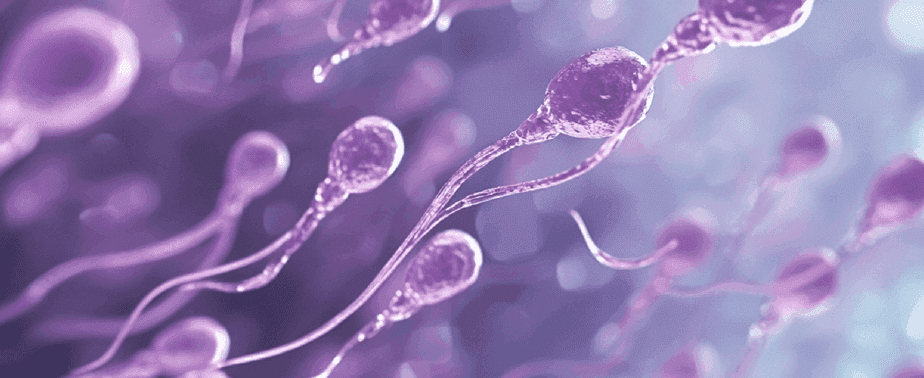
Magnetic-Activated Cell Sorting or MACS is a process that allows fertility experts to find the healthiest and most viable sperms from damaged or apoptotic sperm cells. The treatment involves using specialised magnetic beads coated with unique antibodies that bind to molecules present in defective sperm. When the semen sample passes through the magnetic beads, it gets attached to the damaged sperms, and the magnetic field attracts all poor-quality sperm cells, leaving behind the good-quality sperm cells. The process can thus improve the success rate of pregnancy in IVF and IUI treatments.
Step By Step MACS Treatment Process
Here is a step-by-step process of an MACS treatment
Pre-Care
Treatment
Post-Care
Consultation
This includes reviewing the couple’s medical and fertility history, understanding previous IVF/ICSI outcomes, if any, conducting semen analysis to evaluate sperm count, motility, and DNA fragmentation levels. If poor sperm quality or high DNA fragmentation is detected, the doctor may recommend MACS to improve the selection of sperm for assisted reproductive techniques.
How Much Does MACS Cost?
The cost of MACS depends on varying factors, such as the clinic's location, the expertise of the specialists, the technology, and the complexity of each individual case.
What Are The Benefits Of Magnetic Activated Cell Sorting?
The treatment offers the following benefits:
Improved Sperm Quality
The MACS treatment enables fertility specialists to obtain healthy sperm cells from the semen sample. Therefore, it offers the benefit of enhanced sperm quality for fertility treatments.
Increased Pregnancy Rates
The improved quality of sperm is directly associated with good-quality embryos and, therefore increased pregnancy rates. As compared to standard sperm selection techniques, the MACS technique offers notable improvement in pregnancy rates.
Useful For Unexplained Male Infertility
The treatment is beneficial to address unexplained male infertility issues as it aims to improve the selection of motile sperm from the rest of the poor-quality sperm cells from the semen sample.
Enhanced IVF Success
A recent study demonstrated that the MACS technique increased the rate of IVF success with improved sperm selection compared to treatments without MACS.
Reduced Miscarriage Rates
As per a study, using the MACS technique showed significantly lower miscarriage rates. The results of the study suggested that the method can separate the sperm with high Sperm DNA Fragmentation (SDF) levels, thus improving reproductive outcomes in ART pregnancies.
Non-Invasive Procedure
There is no risk of infections, side effects or other complications as it is a non-invasive procedure.
Cost-Effective Option
There is no certainty of getting the best-quality sperm with traditional sperm selection methods. Using MACS as a supportive technique with IVF or other fertility treatments can improve the chances of pregnancy.
Patient Stories
Start your parenthood journey Today
Thank you for reaching out to us. Our execuitve will get back to you shortly.
FAQs on MACS Treatment
Physiological Intracytoplasmic Sperm Injection or PICSI technique is a method for sperm selection based on the sperm’s ability to bind with hyaluronic acid. This process mimics the natural selection process during ovulation. The MACS treatment uses magnetic beads to isolate good-quality sperm by removing the apoptotic (dying) sperm cells using the magnetic field.
The MACS treatment can certainly resolve some of the infertility issues due to unhealthy or less motile sperm cells.
No, the MACS treatment is non-invasive, and does not pose any risks or side effects.

Client Reviews

Cities with Oasis


Blogs on Fertility Treatments, Reproductive Health & More


Thank you for reaching out to us. Our execuitve will get back to you shortly.