



Hysteroscopy: Purpose, Diagnosis, Process, & Cost
- How it Works
- Suitable For
- Process
- Cost
- Results
- Success Rate
- FAQs
Hysteroscopy is a cutting-edge, minimally invasive procedure that plays a crucial role in diagnosing and treating infertility-related conditions. With fertility challenges on the rise due to stress, lifestyle factors, and hormonal imbalances, Oasis Fertility ensures that hysteroscopy is performed with expertise, helping individuals overcome obstacles to conception. Their team of specialists is dedicated to providing personalised treatment plans to support your journey toward parenthood.
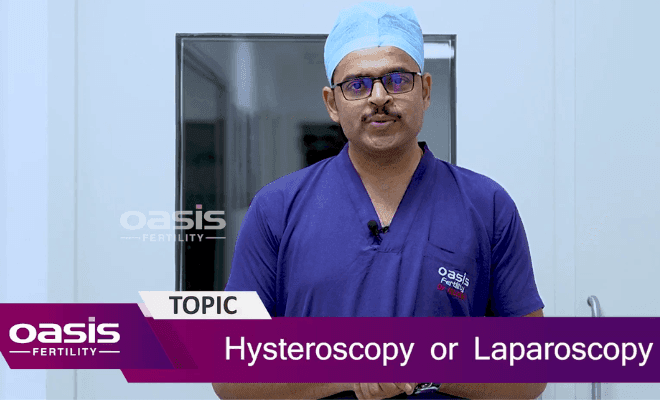
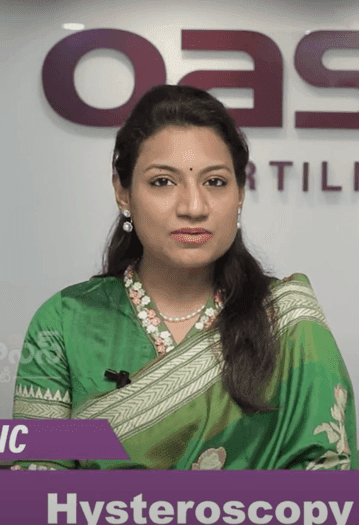
How and why Hysteroscopy and Laparoscopy are done?
Why Choose Oasis for Successful IVF?
Thank you for reaching out to us. Our execuitve will get back to you shortly.

115,000+
Babies Born

Trusted by
Gynecs

Clinical
Excellence

Personalised
Treatments

Comprehensive
Care

Ethical &
Transparent
What Is Hysteroscopy And How It Works?

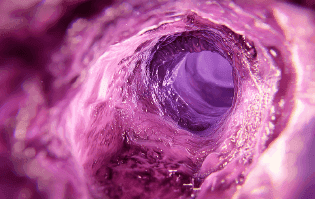
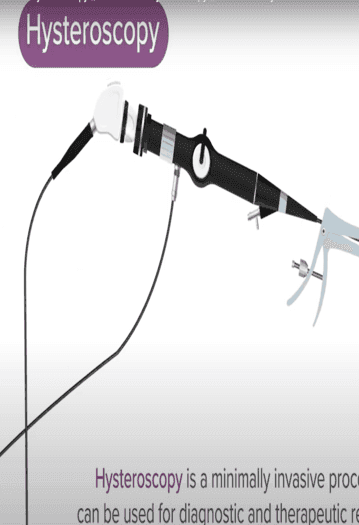
Hysteroscopy is a medical procedure that involves the use of a thin tube called a hysteroscope. It is equipped with a light source that enables the doctor to see the inside of the uterus. Experts insert the hysteroscope into the uterus through the vagina to examine the area, diagnose, and treat abnormal internal bleeding. This resolves issues like fibroids, polyps, and any other abnormal uterine conditions. Hysteroscopy can serve two purposes: diagnostic hysteroscopy, which helps detect any abnormalities, and operative hysteroscopy, which can help treat the diagnosed conditions. At Oasis Fertility, Hyderabad, this advanced technique is used to examine the uterine cavity, identify abnormalities such as polyps, fibroids, adhesions, and even perform corrective procedures—all with precision and care.
Step By Step Hysteroscopy Treatment Process
Here is a step-by-step process of an Hysteroscopy treatment
Pre-Care
Treatment
Post-Care
An experienced doctor recommends hysteroscopy based on the woman’s monthly cycle. They generally schedule it for the first week after the period. This does not apply to women who have attained menopause. The doctor will study the patient’s medical history and any medication they may be on. They will also inform the patient about the treatment procedure and pre- and post-care instructions.
How Much Does Hysteroscopy Cost In India?
The estimated cost of hysteroscopy treatment in India may range between INR 30,000 to INR 50,000. Several factors may influence the cost of the treatment, such as the doctor’s experience, the type and location of the healthcare facility, the complexity of hysteroscopy surgery, and other medical and non-medical expenses.
What are the benefits of Hysteroscopy in Fertility Treatments?
The treatment offers the following benefits:
Diagnosis Of Uterine Issues
Owing to its ease and practicality, it is one of the most widely recommended methods by fertility specialists and gynaecologists to detect underlying uterine concerns that cause heavy or prolonged bleeding, pelvic pain, or other abnormalities.
Treatment Of Abnormalities
Hysteroscopy treatment also helps treat the diagnosed conditions. The treatment is used as an operative measure to treat conditions such as fibroids, polyps, and uterine septa.
Enhances IVF Success
The treatment helps assess the health of the uterus before the IVF treatment, improving the success rate of the procedure.
Clear Visibility
The treatment allows direct and clear visibility of the uterus and cervix, helping the doctors rule out or ascertain potential causes of any uterine abnormalities, such as uterine bleeding, infertility, and recurrent pregnancy loss.
Evaluation Of Miscarriage Causes
The treatment offers an accurate assessment of potential causes of miscarriage in pregnancy.
Enhanced Implantation
Doctors often combine this treatment with IVF to improve the chances of successful embryo implantation by identifying and treating evident uterine abnormalities before the procedure.
Patient Stories
Start your parenthood journey Today
Thank you for reaching out to us. Our execuitve will get back to you shortly.
FAQs on Hysteroscopy Treatment
It is best to seek the advice of a medical professional.
The chances of natural pregnancy are higher after hysteroscopy treatment.
While laparoscopy helps us look outside the uterus, fallopian tubes, ovaries, and internal pelvic area, the hysteroscopy treatment gives a clear picture of the uterine cavity.
The time between a hysteroscopy and IVF depends on the uterine abnormalities detected during the hysteroscopy. The doctor may advise you to wait at least one to two menstrual cycles before going for the IVF treatment.
The doctor may suggest a hysteroscopy in case a previous IVF cycle was unsuccessful. Or in case of suspected uterine abnormality on pelvic scan
Hysteroscopy can boost the success of an IVF procedure as it helps get rid of any uterine abnormalities that may be obstructing the chance of a pregnancy.
Your doctor is the best person to answer this as it depends on the health of your uterus and any abnormalities that need to be addressed. It varies for every individual.
It depends on the complexity of the treated concern. Usually, in the case of diagnostic hysteroscopy, you can return to your routine after a day.
Yes, hysteroscopy does not affect your period cycle.
It depends on the type of hysteroscopy you went through and if it was combined with any other surgical procedure.
Yes, you can expect painful urination after a hysteroscopy.
It depends on the complexity of the treated procedure. Usually, in the case of a diagnostic hysteroscopy, you can travel after a day.
Yes, you may experience mild bleeding during and after the hysteroscopy treatment.
Yes, it is fine to walk after the hysteroscopy treatment.
Follow the post-care instructions your doctor recommended after the treatment
Hysteroscopy can fail if the hysteroscope can't pass through the cervix into the uterus due to bleeding, anxiety, fear, pain, previous surgery or a narrowing of the neck of the womb etc
Yes, doctors can remove fibroids of a specific size based on their position during hysteroscopy.
Some of the minor side effects include mild cramping and bleeding for a few days after the procedure, stomach pain, dizziness, shoulder pain, and nausea.

Treatment Videos


Client Reviews

Cities with Oasis


Blogs on Fertility Treatments, Reproductive Health & More


Thank you for reaching out to us. Our execuitve will get back to you shortly.