





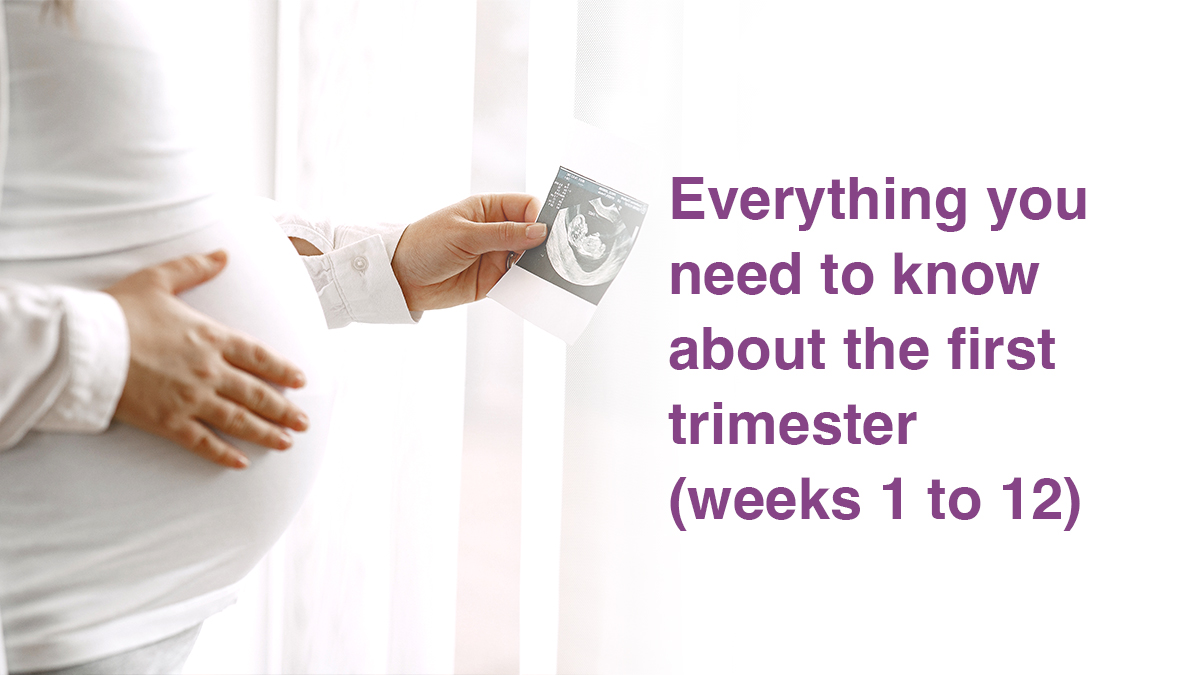
Getting pregnant is the beginning of a wondrous journey in your life. Your body, emotions and world as you know it will change tremendously during this time. The first three months of pregnancy are considered to be the first trimester which lasts from week 1 through to week 12.
This time period lays the foundation for your baby’s growth. Knowing what happens during this period will allow you to make the right decisions, know what normal changes/symptoms or signs during this time are and when to get help if needed.
This thorough guide covers everything you need to know about your first trimester of pregnancy. Including information on what to expect and when will you start to experience the most common early signs of being pregnant, as well as, tips on some basic pregnancy safety precautions to help you get through this time with confidence.
Understanding the First Trimester: What Weeks 1 to 12 Mean
The first trimester of pregnancy begins from the first day of your last menstrual period (LMP). Conception typically occurs around week 2 or 3. This dating method might seem unusual, but it provides a standardised way for healthcare providers to track your pregnancy’s progression.
The first trimester of pregnancy covers roughly the first three months after conception. This period is divided into 12 weeks.
The first trimester is noteworthy because your baby’s major organs, nervous system, and body structures begin to form. By week 12, your baby has developed all essential organs. Your baby is transitioning from embryo to foetus, measuring roughly 5 to 6 centimetres in length.
At this stage, following a guide for first antenatal care becomes essential to monitor your baby’s growth and ensure a healthy pregnancy journey.
What’s Happening in Early Pregnancy?
Hormonal Changes in Your Body
Your body undergoes significant hormonal changes from the moment you conceive. At the start of pregnancy, the amount of human chronic gonadotropin (hCG) present in your body increases at an accelerated pace. There are also large increases in the levels of progesterone and estrogen; these hormones help support the pregnancy and produce many symptoms associated with the first trimester.
These hormonal surges are responsible for maintaining the uterine lining. They prevent menstruation. They support your baby’s development. They also affect nearly every system in your body, from your digestive tract to your cardiovascular system.
Baby’s Development in Weeks 1- 12
Your baby’s development during the first trimester is nothing short of extraordinary:
- Weeks 1-4: Conception occurs, and the fertilised egg implants in your uterine lining. The placenta begins to form.
- Weeks 5-8: Presence of heart beat. The neural tube (which becomes the brain and spinal cord) closes. Tiny limb buds appear.
- Weeks 9-12: Facial features form, fingers and toes separate, and large organs continue developing. Your baby begins moving, though you won’t feel it yet.
Common First Trimester Changes: Physical and Emotional
Physical Symptoms
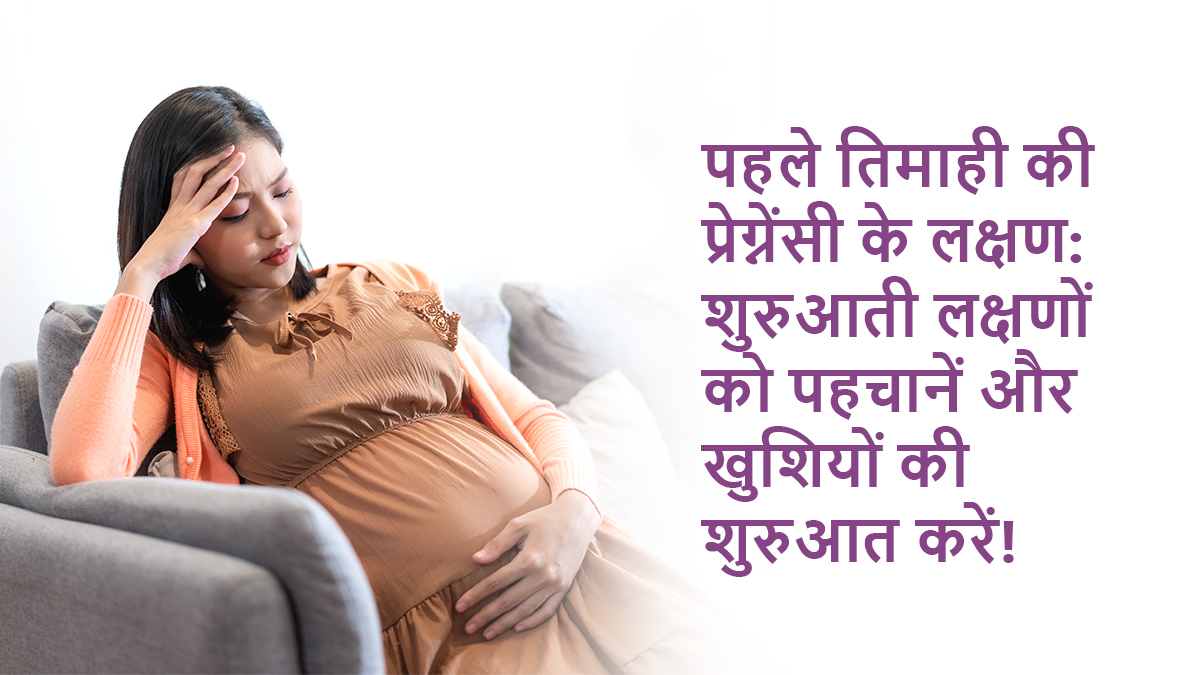
In the first trimester of pregnancy, symptoms vary considerably among women. Some experience intense discomfort. Others get through with minimal issues.
Common physical changes include morning sickness (nausea and vomiting, which occur at any time of day), breast tenderness, increased urination frequency, fatigue, food aversions or cravings, mild cramping or spotting, bloating, and a heightened sense of smell.
Emotional and Mood Shifts
Hormonal fluctuations don’t just affect your body. They also influence your emotions. You might experience mood swings, ranging from happiness to anxiety or sadness.
These emotional changes are completely normal. They often stabilise as you progress into the second trimester. Acknowledge these feelings. Ask your partner, family members or healthcare professional for help when needed. Seek professional help if you have experienced sadness or anxiety beyond what you typically experience.
Health and Care During the First Trimester
Diet and Nutrition Basics
In the first trimester of pregnancy, focus on a balanced diet, rich in nutrients, essential for your baby’s development.
A practical first-trimester pregnancy food chart should include folate-rich foods like leafy greens and lentils, protein sources such as eggs and pulses, whole grains including brown rice and oats, a colourful variety of fruits and vegetables, calcium-rich options like milk and paneer, and iron sources such as spinach and beetroot.
Stay well-hydrated by drinking at least 8-10 glasses of water daily. Small, frequent meals help manage nausea better than three significant meals.
Prenatal Vitamins and Supplements
Your healthcare provider will likely recommend prenatal vitamins containing folic acid (400-800 micrograms daily) to prevent neural tube defects. Iron, calcium, vitamin D, and DHA are other important supplements during pregnancy. Always consult your doctor before starting any supplements.
Medical Check-ups and Scans
Your first antenatal appointment typically occurs between weeks 8 and 12. During this visit, your healthcare provider will confirm your pregnancy, calculate your due date, review your medical history, and order necessary blood tests and urine analysis. Your first ultrasound scan, often called the dating scan, usually happens between weeks 11 and 14. This scan confirms your baby’s heartbeat. It checks development. It provides a more accurate due date.
First Trimester of Pregnancy Precautions: Lifestyle and Daily Routine
Activities and Habits to Avoid
Certain first-trimester pregnancy precautions are essential for your baby’s safety.
Avoid alcohol, smoking, and recreational drugs completely. Limit caffeine intake to less than 200mg daily (about one cup of coffee). Avoid unpasteurised dairy products and undercooked meats. Stay away from contact sports. Avoid hot tubs and saunas.
Limit exposure to cleaning chemicals. Don’t handle cat litter (toxoplasmosis risk).
Work, Travel, and Rest
Most women continue working during the first trimester. You might need to adjust your schedule to accommodate fatigue. If you have a job that requires you to lift heavy items, stand for long periods of time or be around harmful materials you should talk with your employer and physician about accommodations for any of these activities.
Long term travel within the first trimester normally isn’t an issue as long as you check with your doctor prior to going on the trip and make sure to schedule sufficient amounts of rest. Your body will be under extreme stress and proper amounts of sleep will help both your body and your child develop properly.
Signs Your Pregnancy Is Going Well in the First Trimester
Expected Symptoms
Whilst it might seem counterintuitive, experiencing typical pregnancy symptoms often indicates signs your pregnancy is going well in the first trimester. These include gradually increasing pregnancy symptoms, breast changes, morning sickness (though its absence doesn’t indicate problems), fatigue, positive pregnancy test with darkening lines, and visible heartbeat on ultrasound scan.
Warning Signs to Watch For
Contact your healthcare provider immediately if you experience heavy vaginal bleeding (more than light spotting), severe abdominal pain, persistent vomiting preventing fluid intake, high fever (above 38°C), painful urination, sudden decrease in pregnancy symptoms before week 12, or severe headaches with vision changes.
Preparing for the Next Stage
As you approach week 13, you’ll transition into the second trimester, often called the ‘golden period’ of pregnancy. First-trimester symptoms typically ease during this phase. Your energy levels often improve. Morning sickness usually subsides. Your risk of miscarriage decreases notably.
Use the remaining weeks of your first trimester to establish healthy habits, build your support network, and educate yourself about the journey ahead. Consider when and how you’ll share your pregnancy news. Begin thinking about antenatal classes and birthing preferences to feel more prepared for the months ahead.
The first trimester of pregnancy is a remarkable period of rapid development. It brings profound change. Whilst it introduces challenges like morning sickness and fatigue, understanding what’s happening in your body helps you navigate this journey with greater confidence.
If you want to know more, you can visit your nearest Oasis Fertility Clinic to consult experienced fertility experts. You may also reach out by calling 1800-3001-1000 or connect instantly through the live chat service for prompt support and clarity.


fill up the form to get a
Free Consultation
Avail 0% interest on EMI
All Procedures | No Upper Limit
Frequently Asked Questions
Is it normal to have no symptoms in the first trimester?
What foods should be avoided during the first trimester?
When is the first scan usually done?
Related posts