





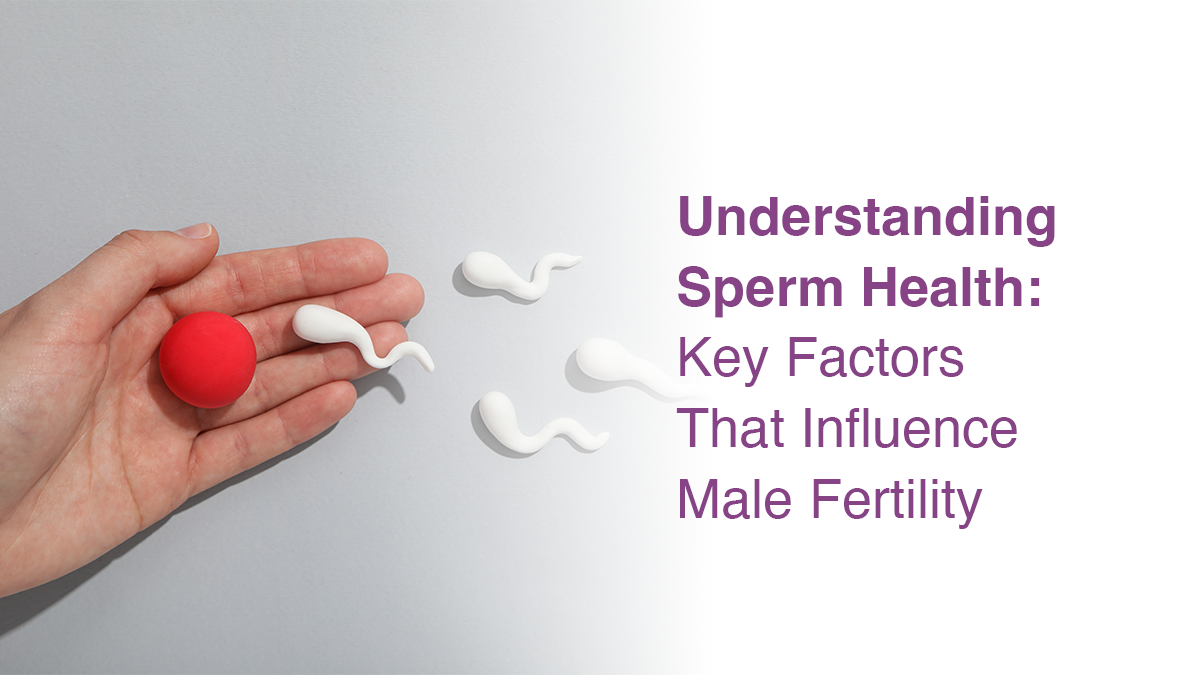
Male infertility contributes to about 40 to 50 percent of infertility cases worldwide, but it is often overshadowed in public discussions. Fertility in men is largely dependent on the health of sperm. It depends on how many are produced, whether they move as they should, and whether their structure allows them to fertilize an egg.
In India, doctors have noted a steady decline in semen quality over the years. Average sperm counts that were once above 40 million per millilitre in the early 1980s are now reported closer to 20 million in some studies. This shift suggests that lifestyle and environmental influences are playing a much larger role than before.
Understanding Male Fertility
Male fertility is a combined result of hormonal balance, health of the testes, proper sperm production, and the ability of those sperm to function. Several factors affect them, like lifestyle habits, environmental factors, and many more. When sperm lack the ability to reach and fertilize an egg, conception becomes difficult regardless of the female partner’s health.
Signs That Your Sperm Health is in Danger
Let’s understand some common signs that indicate your sperm health is deteriorating:
Difficulty conceiving after 12 months
When a couple has been trying for more than a year without success, doctors recommend testing both partners. For men, this often reveals a low sperm count or poor sperm motility. In India, there is a stereotype that the problem is not with the man but the woman. It also hinders men from talking about their fertility issues with their family members to avoid fierce judgment.
Reduced libido or erectile difficulties
Stress and low testosterone can reduce sexual drive and cause difficulties with erections. This often overlaps with other lifestyle factors, but it can also signal a hormonal imbalance.
Persistent fatigue or disrupted sleep cycles
Testosterone levels have a daily rhythm. Irregular sleep or constant fatigue disrupts this cycle, which in turn reduces sperm production efficiency.
Physical changes in body composition
Reduced body hair, loss of muscle mass, or even weight gain without a clear reason may suggest low testosterone levels. It is another factor closely linked with sperm health.
Semen analysis as confirmation
Despite external symptoms, semen analysis is the definitive test to check if something is wrong. It gives precise numbers for count, motility, and morphology. It helps in identifying the root cause of the problem.
Key Factors That Influence Sperm Health
There is no single explanation for poor sperm health. In most cases, several influences overlap and intensify each other. Let’s understand them in detail:
Lifestyle Habits
Lifestyle habits are the most immediate contributors. Habits like smoking, frequent alcohol consumption, and drug abuse damage the sperm DNA and reduce overall production. An unhealthy diet is another factor you can’t ignore. Deficiencies in zinc, folate, vitamin C, and antioxidants make sperm more susceptible to oxidative stress, which weakens their structure and reduces their chances of successful fertilization.
In today’s sedentary lifestyle, obesity is a major issue everyone is facing. It can affect your sperm health as well. Excess fat tissue disrupts hormone balance, often by converting testosterone into estrogen, and this hormonal imbalance can directly lower sperm counts.
Stress
The sedentary lifestyle also comes with a lot of stress. It releases cortisol that suppresses testosterone and interferes with normal sperm production. Studies published in international journals have consistently found a connection between chronic stress and higher levels of sperm DNA fragmentation and reduced motility.
Environmental Factors
Environmental factors are often overlooked, but it can hamper your sperm quality. Constant exposure to heat, industrial chemicals, or radiation negatively impacts spermatogenesis. Even seemingly small habits, like keeping a mobile phone in a trouser pocket or working long hours with a laptop on the lap, are being investigated as possible risks.
Medical Conditions
Finally, certain medical conditions directly affect your fertility. Varicocele (enlargement or swelling of the veins within the scrotum), reproductive tract infections, and some genetic disorders are among the common causes of reduced sperm health.
Habits to Follow for a Healthy Sperm
Improving your sperm health is not a one-day miracle. It requires gradual lifestyle changes. Here’s a quick checklist of habits you must look after:
- Quit smoking and reduce alcohol intake.
- Adopt a diet rich in fruits, vegetables, whole grains, and seeds high in zinc and antioxidants.
- Maintain a healthy weight through moderate exercise.
- Sleep at least 7 hours every night to support hormonal rhythms.
- Avoid prolonged heat exposure to the groin area, such as hot tubs or laptops placed on the lap.
- Manage stress through practices like yoga, meditation, or even regular recreational activities.
Foods That Support Healthy Sperm
A nutrient – rich diet affects the quantity and the motility of the sperm. The following foods can improve your sperm health:
|
Nutrient / Food Group |
Examples |
Role in Sperm Health |
| Zinc-rich foods | Pumpkin seeds, chickpeas, lentils, cashews, nuts | Supports testosterone production and sperm development. |
| Antioxidant sources | Berries, citrus fruits, spinach, leafy greens | Protect sperm from oxidative stress and DNA damage. |
| Omega-3 fatty acids | Salmon, sardines, other fish varieties, flaxseeds, walnuts | Improve sperm motility and membrane function. |
| Vitamin D and calcium foods | Fortified dairy, eggs, oily fish | Regulate reproductive hormones and sperm maturation. |
| Lean proteins | Poultry, beans, legumes | Provide amino acids for sperm cell repair and formation. |
| Whole grains and fibre | Brown rice, oats, whole wheat, barley | Maintain metabolic balance and support hormone health. |
When to See a Doctor About Sperm Health?
You should seek medical advice if conception has not happened after 12 months of unprotected intercourse. Men with a history of undescended testes, surgeries in the groin, chemotherapy, or frequent infections must go for an early evaluation. Symptoms such as reduced libido, erectile dysfunction, or persistent pain or swelling in the testicular region also need professional help. Your doctor might recommend the following treatment options depending on the cause:
- Hormonal therapy is prescribed when low testosterone or a pituitary hormone imbalance is detected.
- Medication for infections like antibiotics or other targeted drugs is prescribed if reproductive tract infections reduce sperm quality.
- Surgical procedures like varicocele repair improve sperm production by correcting enlarged veins in the scrotum.
- Assisted reproductive technologies (ART) like IVF or ICSI are used when sperm count, motility, or morphology are severely compromised.
Conclusion
Conversations around male fertility often circle back to diet, weight, smoking, or alcohol, but there are other everyday habits that also influence sperm health in ways you don’t know. One of them is your sleeping schedule. Not just the number of hours, but the consistency of when you go to bed and wake up.
At Oasis Fertility, you can access a structured program that includes diagnostic testing, medical treatments for underlying causes, and advanced reproductive technologies when needed. If you are concerned about your fertility, early evaluation gives the best chance of planning ahead with the right support. Call 1800-3001-1000 to speak to our specialist for tailored care.


fill up the form to get a
Free Consultation
Avail 0% interest on EMI
All Procedures | No Upper Limit
How we reviewed this article:
- Current Version
Related posts