





The female reproductive system plays a central role in menstruation, fertility and pregnancy. It is a carefully coordinated network of internal and external organs that regulate hormones and has the power to give birth to a new life.
Each structure has a specific function, and changes occur at different stages of life from puberty to menopause. Understanding the anatomy and functions of the female reproductive system helps you recognise how your body works and why reproductive health deserves attention at every age.
Overview of the Female Reproductive System
The female reproductive system organs are divided into two groups: internal and external. All these organs are essential for reproduction, producing hormones, and maintaining sexual health.
Internal and External Reproductive Organs
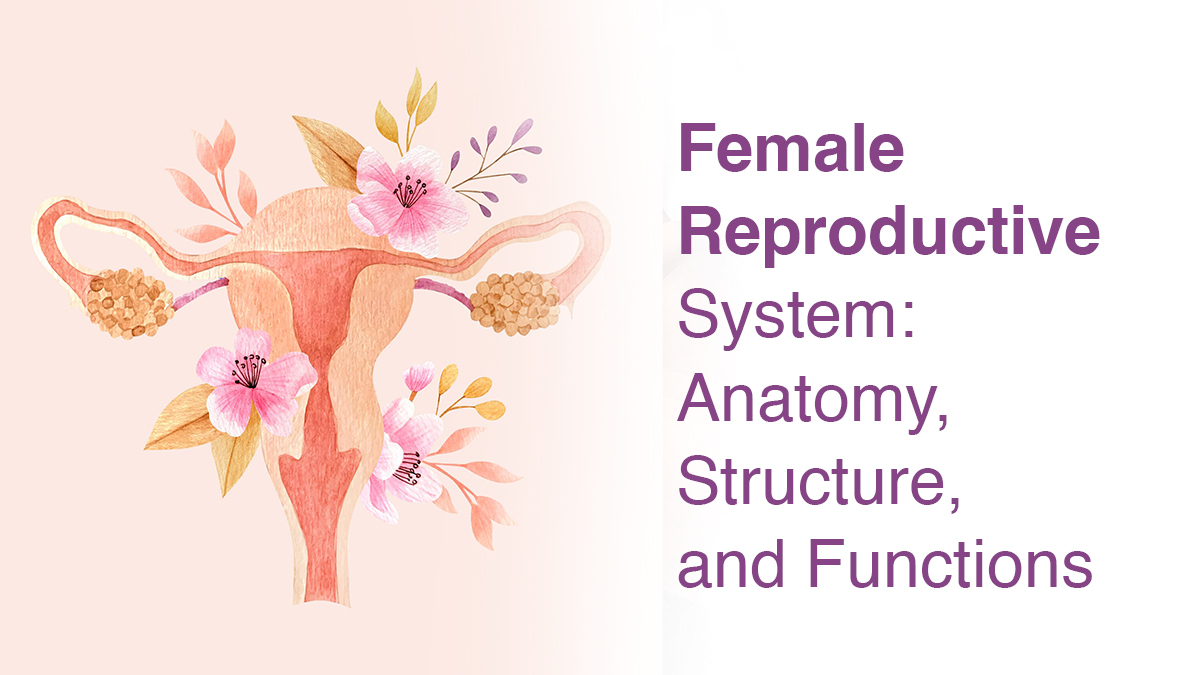
Internal organs include the ovaries, fallopian tubes, uterus, cervix, and vagina. These organs are protected inside the body and are essential for the processes of ovulation, fertilisation, and childbirth.
External organs, collectively referred to as the vulva, is made up of labia majora, labia minora, clitoris, and the vaginal opening. They protect the internal organs and play a role in sexual function.
Key Organs and Their Structure
Let’s understand the organs and the structure of the female reproductive system.
Ovaries
Located adjacent to the uterus, the ovaries are small in shape and resemble the structure of an almond. They produce eggs (ova) along with many female hormones, which include Estrogen and Progesterone. These hormones control how regularly you have menstrual cycles and are vital in helping to sustain and provide support during a pregnancy.
Fallopian Tubes
Fallopian tubes connect the ovaries to the uterus. Each month, an egg travels through a tube toward the uterus. Fertilisation by sperm usually happens here. The tube’s tiny hair-like structures, called cilia, help move the egg along.
Uterus
The uterus is a muscular organ shaped like an upside-down pear. Its lining, called the endometrium, thickens every month to prepare for a fertilised egg. If fertilisation doesn’t occur, the lining sheds during menstruation. The uterus expands during pregnancy to accommodate a growing baby.
Cervix
The cervix is the lower part of the uterus that opens into the vagina. It acts as a gateway, allowing sperm to enter during conception and letting menstrual blood exit. During childbirth, the cervix dilates to let the baby pass through.
Vagina
The vagina is a soft, flexible canal that connects the cervix to the outside of the body. It acts as the birth canal during delivery, allows menstrual blood to pass, and plays a role in sexual activity.
Hormonal Regulation of the Female Reproductive System
The female reproductive system works thanks to a careful balance of hormones. The brain, through the hypothalamus and pituitary gland, sends signals to the ovaries to produce hormones like estrogen and progesterone. These hormones control the menstrual cycle, trigger ovulation, and get the uterus ready for pregnancy. When this balance is disrupted, it can affect fertility and overall reproductive health.
Role of the Female Reproductive System
Here’s what are the different processes that happen in the reproductive system:
Menstrual Cycle
The menstrual cycle is a monthly process that enables the body for pregnancy. It includes the growth of the uterine lining, ovulation (release of an egg), and menstruation if the egg is not fertilised. A healthy menstrual cycle indicates that the reproductive system is functioning properly.
Ovulation and Fertilisation
Ovulation occurs when an ovary releases an egg into the fallopian tube. If sperm fertilises the egg, it travels to the uterus and implants in the lining. If fertilisation does not occur, the egg and the lining are shed as menstrual blood.
Pregnancy and Childbirth
During pregnancy, the uterus provides a safe environment for the baby to grow. Hormones support fetal development and prepare the body for childbirth. Labor involves the cervix opening and the uterus contracting to deliver the baby.
Changes in the Female Reproductive System Across Life Stages
The female reproductive system changes at different life stages:
- Puberty: The system matures, periods begin, and secondary sexual characteristics develop.
- Reproductive Years: Fertility peaks, and the menstrual cycle is active.
- Menopause: Hormone production decreases, menstruation stops, and fertility ends.
Understanding these changes can enable women to manage their health and recognise signs of disorders early.
Common Disorders Affecting the Female Reproductive System
Some common issues include:
- Polycystic Ovary Syndrome (PCOS) – a hormonal imbalance affecting ovulation.
- Endometriosis – development of uterine tissue outside the uterus, causing pain.
- Fibroids – non-cancerous growths in the uterus.
- Infections, like yeast infections or bacterial vaginosis, affect vaginal health.
Regular check-ups and awareness can help prevent and manage these conditions.
Importance of Reproductive Health Awareness
The female reproductive system is a remarkable and intricate system within the human body. The organs, hormones, and cycles of this system coordinate together to ensure the process of reproduction and to provide sexual health, as well as overall well-being. Knowing more about the anatomy and function of the female reproductive system will allow women to take charge of their own health.
Final Thoughts
The reproductive system of women is intricately designed. Many different types of hormonal cycles exist within women, playing important roles in a woman’s ability to reproduce, sexual health, and maintain overall wellness. A woman’s knowledge about this aspect of her life will assist her in making informed decisions about her health as she continues to mature.
If you want to explore this topic further, you can visit the Oasis Fertility Clinic to gain insights from experienced fertility specialists. They offer guidance on reproductive health and are available for consultation. You can also reach them via phone at 1800-3001-1000 or use their live chat for quick assistance.


fill up the form to get a
Free Consultation
Avail 0% interest on EMI
All Procedures | No Upper Limit
Frequently Asked Questions
What are the main organs of the female reproductive system?
What is the primary function of the uterus?
How do hormones regulate the female reproductive system?
At what age does the female reproductive system stop functioning?
Related posts