





A hemorrhagic cyst in the ovary is a common gynaecological condition that many women experience at some point in their reproductive years. While the term may sound alarming, most hemorrhagic ovarian cysts are not dangerous and often resolve on their own. However, in some cases, they may cause pain and discomfort and may need medical attention. Understanding what causes these cysts, symptoms related to them, diagnosis, and treatment options may help you manage this condition better and know when to see a doctor.
What Is a Hemorrhagic Ovarian Cyst?
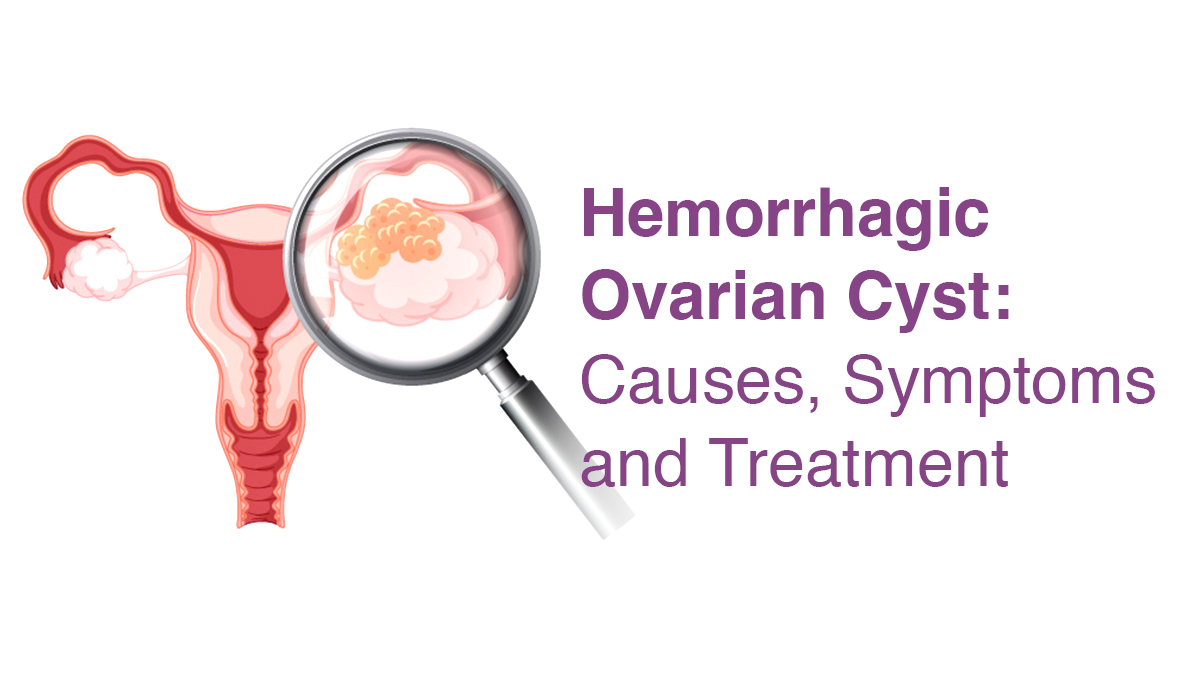
A hemorrhagic cyst in the ovary occurs when bleeding happens inside a functional ovarian cyst. Functional cysts form as part of the normal menstrual cycle, usually when an egg is released from the ovary. Sometimes, small blood vessels within the cyst rupture, causing blood to collect inside it, leading to a hemorrhagic cyst.
These cysts are usually benign (non-cancerous) and are most commonly seen in women of reproductive age. A hemorrhagic cyst in the ovary can vary in size and may affect one or both ovaries, though it typically occurs on one side.
Causes of Hemorrhagic Ovarian Cysts
The exact cause of a hemorrhagic cyst in the ovary is not always clear, but several factors can increase the risk:
- Ovulation: Most hemorrhagic cysts develop from normal ovulation-related cysts.
- Hormonal imbalance: Changing in oestrogen and progesterone levels can affect cyst formation.
- Use of fertility medications: Drugs that stimulate ovulation may slightly increase the risk.
- Blood-thinning medications: These can make bleeding within a cyst more likely.
- Physical strain: Sudden movements or intense physical activity may cause a cyst to bleed.
Symptoms and Signs to Watch For
Many women with a hemorrhagic cyst in the ovary may not have any symptoms at all. When you do experience symptoms, they can range from mild to severe.
Common symptoms include:
- Pain, either sharp or dull, on one side of the lower abdomen
- Pelvic discomfort that may come and go
- Pain during or after physical activity
- Bloating or a feeling of fullness
If a hemorrhagic cyst ruptures, symptoms may include sudden, severe pain, dizziness, nausea, or fainting. These symptoms need immediate medical attention.
Pain, either sharp or dull, on one side of the lower abdomen, is a common sign of ovarian cysts. You can also read more about ovarian cyst symptoms to understand how different cyst types may present.
How Hemorrhagic Ovarian Cysts Are Diagnosed
A hemorrhagic cyst in the ovary is usually diagnosed during a pelvic examination or imaging test done for pelvic pain.
Common diagnostic methods your doctor uses may include:
- Pelvic ultrasound: It is the most common test for detecting cysts. It helps doctors see the cyst and identify internal bleeding patterns.
- Transvaginal ultrasound: Provides a clearer image than a pelvic ultrasound of the ovaries.
- Blood tests: A test may be done to measure hormone levels or rule out infection.
Doctors may repeat ultrasounds after a few weeks to monitor whether the hemorrhagic cyst in the ovary is shrinking or resolving.
Treatment Options
Treatment for a hemorrhagic cyst in the ovary depends on its size, symptoms, and whether complications are present.
Watchful Waiting / Monitoring
Most small or moderate hemorrhagic cysts resolve on their own within one to two menstrual cycles. If symptoms are mild, doctors may recommend monitoring the cyst with follow-up ultrasounds. This approach avoids unnecessary treatment while ensuring the cyst heals naturally.
Medications
Pain relief medicines or anti-inflammatory drugs may be prescribed to manage discomfort caused by a hemorrhagic cyst in the ovary.
Hormonal contraceptives may sometimes be suggested to help to manage your menstrual cycle and reduce the risk of new cysts forming, although they do not shrink existing cysts.
Surgical Interventions
Surgery for removal or draining of the cyst is rarely needed, but may be required if:
- The hemorrhagic cyst in the ovary is very large
- Severe pain does not improve
- The cyst ruptures and causes heavy internal bleeding
Minimally invasive laparoscopic surgery is usually preferred, allowing quicker recovery and less scarring.
Recovery and Prognosis
The outlook for women with a hemorrhagic cyst in the ovary is generally very good. Most cysts disappear on their own without affecting fertility or long-term health. Pain usually improves within a few days to weeks, depending on the size of the ovarian cyst.
After treatment or natural resolution, normal activities can usually be resumed gradually. Regular follow-ups help ensure there are no recurring issues.
Prevention and Lifestyle Tips
While it is not always possible to prevent a hemorrhagic cyst in the ovary, certain steps may help reduce the risk:
- Attend regular gynaecological check-ups
- Maintain a healthy weight
- Manage stress, as it can affect hormone levels
- Avoid sudden, intense physical strain if advised by your doctor
- Follow prescribed hormonal treatments carefully
Being aware of your menstrual cycle and reporting unusual pain early can help in timely diagnosis.
When to See a Doctor?
You should consult a doctor if you experience persistent pelvic pain, sudden severe abdominal pain, pain with fever, or symptoms such as dizziness and fainting. These could indicate complications related to a hemorrhagic cyst in the ovary and require immediate care. Book a free consultation with us to learn more about haemorrhagic cysts and if you should be worried about it.
Key Takeaways
A hemorrhagic cyst in the ovary is a common and usually harmless condition that often resolves without treatment. With proper monitoring and timely medical advice, most women recover completely without long-term effects.
At Oasis Fertility, our experienced specialists provide personalised care for women facing ovarian cysts and other reproductive health concerns. For expert guidance or to book a consultation, call 1800-3001-1000and take the next step towards confident reproductive health.


fill up the form to get a
Free Consultation
Avail 0% interest on EMI
All Procedures | No Upper Limit
Frequently Asked Questions
Can a hemorrhagic ovarian cyst resolve on its own?
Are hemorrhagic ovarian cysts dangerous or cancerous?
How long does it take to recover from a hemorrhagic ovarian cyst?
Can lifestyle changes help prevent ovarian cysts?
Related posts