





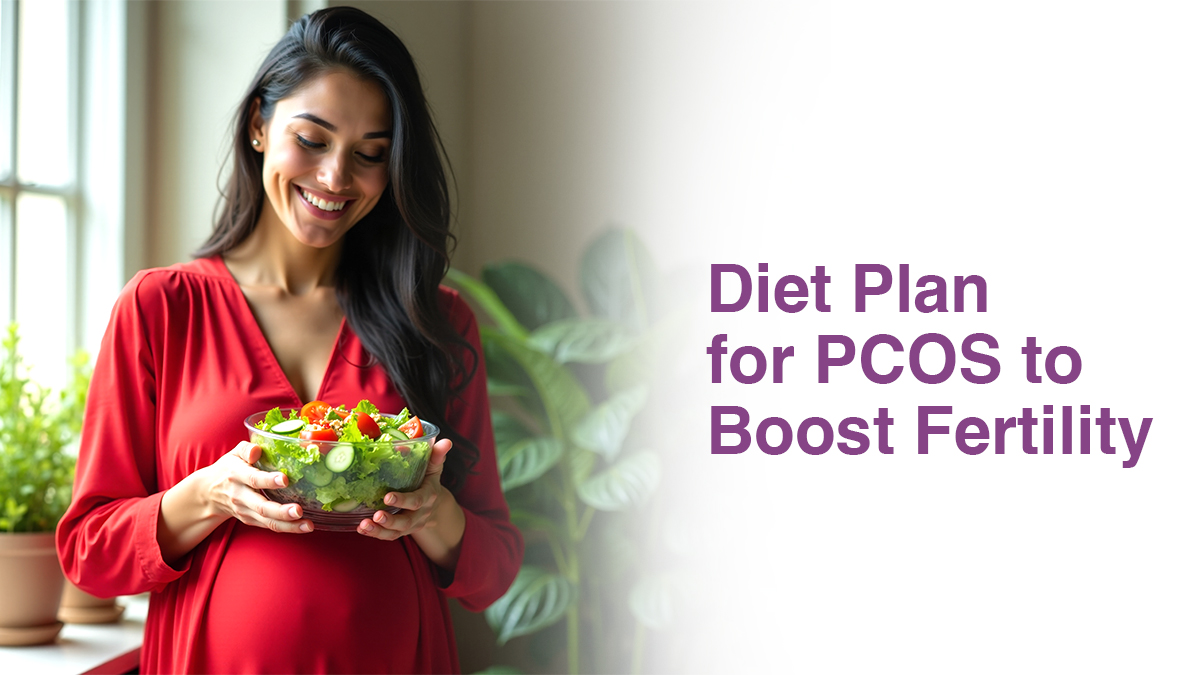
Polycystic Ovarian Disorder has a heavy influence on hormonal balance, menstrual regularity, and metabolic health. For many women, symptoms such as irregular periods, weight gain, acne, and difficulty conceiving trace back to what they eat daily.
While medication is important, it is not a permanent solution. Every day, food choices affect insulin response and hormone regulation continuously. A structured and balanced PCOD diet is good for controlling the disorder and improving your reproductive health.
Why Diet Plays a Key Role in Managing PCOD?
Women who have PCOD are resistant to insulin and produce high levels of androgens. Additionally, when insulin levels rise frequently due to poor dietary choices, ovarian hormone balance gets disrupted. This affects ovulation and cycle predictability.
Indian diets have both supportive and problematic elements. Whole grains, pulses, vegetables, and fermented foods are good for metabolic stability when consumed correctly. Refined carbohydrates, sugars, and excessive fats worsen insulin resistance. Hence, what you must include in the diet becomes important to reverse PCOD from its roots.
PCOD Diet Chart: Foods to Include and Avoid
| Foods to Include | Why They Should Be Included | Foods to Avoid | Why They Should Be Avoided |
| Whole grains such as millets, oats, brown rice, barley | Release glucose slowly and help improve insulin sensitivity | Refined flour foods like maida rotis, white bread, and bakery items | Causes rapid blood sugar spikes and worsens insulin resistance |
| Seasonal vegetables, leafy greens, gourds | High fibre supports hormone metabolism and gut health | Fried snacks, fast food | Increase inflammation and contribute to weight gain |
| Low-glycaemic fruits like apple, guava, berries | Provide antioxidants without triggering insulin spikes | Fruit juices, mango, chikoo | High sugar load leads to hormonal imbalance |
| Pulses, dals, chickpeas, rajma | Improve satiety and support stable energy levels | Sugary cereals and instant foods | Contain refined carbs that disrupt insulin regulation |
| Nuts, seeds, cold-pressed oils | Supply healthy fats that are good for hormone production | Sweetened beverages and desserts | Increase insulin demand and worsen cycle irregularity |
| Curd, buttermilk, fermented foods | Improve gut microbiota and aid estrogen clearance | Excess caffeine and sweetened tea | Interfere with hormonal balance and increase stress response |
This PCOD diet chart focuses on stable energy release, reduced insulin spikes, and improved gut health.
7-Day PCOD Diet Plan
This Indian meal plan focuses on balance, portion control, and regularity. Meals are simple and suited for daily routines.
Day 1
- Breakfast: Vegetable oats upma
- Lunch: Brown rice, mixed vegetable curry, curd
- Dinner: Moong dal chilla with vegetables
Day 2
- Breakfast: Boiled eggs with one multigrain toast
- Lunch: Jowar roti, lauki sabzi, dal
- Dinner: Vegetable soup with paneer
Day 3
- Breakfast: Vegetable poha with peanuts
- Lunch: Quinoa pulao with curd
- Dinner: Stir-fried vegetables with tofu
Day 4
- Breakfast: Idli with vegetable sambar
- Lunch: Chapati, bhindi sabzi, curd
- Dinner: Sprouts salad with clear soup
Day 5
- Breakfast: Smoothie with unsweetened almond milk, seeds, berries
- Lunch: Brown rice, rajma, salad
- Dinner: Vegetable omelette or paneer bhurji
Day 6
- Breakfast: Besan chilla with mint chutney
- Lunch: Bajra roti, vegetable curry, buttermilk
- Dinner: Vegetable khichdi
Day 7
- Breakfast: Millet rava upma
- Lunch: Chapati, dal, mixed vegetable sabzi
- Dinner: Clear vegetable soup with roasted makhana
Tips to Maintain a PCOD-Friendly Diet
A PCOD diet works best when it fits naturally into everyday routines. It might be difficult to include all types of food items together in the routine, but you can introduce it slowly, one by one. Here’s how:
- Maintain regular meal timings to control insulin fluctuations
- Choose low-glycaemic carbohydrates such as millets and whole grains
- Include protein sources like dal, paneer, eggs, curd, or tofu daily
- Increase fibre intake through vegetables, seeds, and fruits with skin
- Limit refined sugar, packaged foods, and sweetened drinks
- Prefer steaming, roasting, and sautéing over deep frying
- Stay hydrated with water, buttermilk, and unsweetened fluids
Other Activities to Follow For Managing PCOD
Diet alone can’t reverse PCOD. Other lifestyle factors also influence hormonal balance and metabolic health in the same way diet does. A few habits you can include are:
- Regular physical activity, such as walking, yoga, or strength training. You can take a walk when the sun is up to soak in some vitamin D.
- Stress management through breathing exercises or meditation is also beneficial.
- Maintain a fixed sleep schedule and keep your phone away an hour before you sleep.
- Gradual weight management through sustainable habits helps reverse PCOD.
- If the symptoms persist despite these changes, you must consult a doctor.
These measures support your diet and help you get menstrual cycles on time.
When to Speak to a Doctor About PCOD?
Persistent irregular periods for months, excessive weight gain, acne, or fertility concerns are serious, and you must visit your gynaec for the same. Individual hormonal profiles differ, and dietary plans need a personalized approach. Medical guidance ensures that your diet is in line with your reproductive goals.
Final Thoughts
Managing PCOD is a long-term and consistent effort. Making the right choice with your diet and other activities and following it every day would definitely give you results.
If PCOD symptoms interfere with menstrual health or conception planning, expert support becomes important. The specialists at Oasis Fertility provide personalised fertility evaluation and nutrition-backed care. You can reach the team at 1800-3001-1000 or connect through live chat to discuss the next steps.


fill up the form to get a
Free Consultation
Avail 0% interest on EMI
All Procedures | No Upper Limit
Frequently Asked Questions
Can diet alone improve fertility in women with PCOS?
How long does it take for a PCOS diet to show results for fertility?
Is a low-carb diet good for boosting fertility with PCOS?
Are cheat meals allowed in a PCOS fertility diet?
Which fruit should be avoided in PCOD?
Can you eat rice in PCOD?
What should you drink in PCOD?
Related posts