


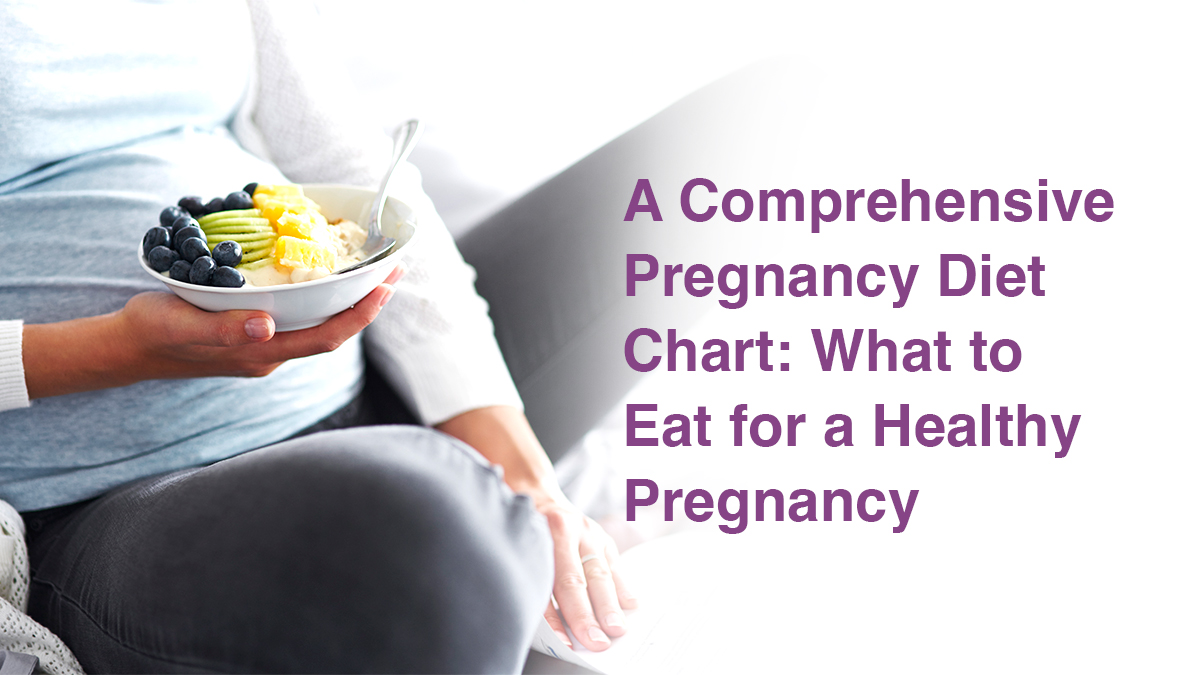
Pregnancy is a time of great joy and change in your life. You must pay attention to what you eat during this period of time, as the foods you choose while pregnant will help your baby develop properly, as well as affect your baby’s health for many years to come.
A nutrition guide for pregnant women helps them create and plan a balanced diet to guarantee adequate nutrient intake to help support their baby’s physical growth through pregnancy (a nine-month time frame), and gain confidence about their dietary choices; to make educated decisions about food based on how food is beneficial both for themselves and their developing baby.
Many women during pregnancy feel lost because of mixed messages about what they should be eating as far as nutrition goes. This resource will provide you with evidence-based recommendations for each trimester and help you find your way through the nutritional requirements.
You can also explore the best dry fruits to have during pregnancy to add healthy fats, iron, and essential nutrients to your daily diet naturally.
Why a Balanced Pregnancy Diet Matters?
Your nutritional intake during pregnancy serves as the foundation for your baby’s physical development. A balanced diet supports the formation of vital organs. It strengthens the immune system. It reduces the risk of complications such as gestational diabetes and low birth weight.
Beyond foetal development, proper nutrition helps you manage pregnancy symptoms like nausea and fatigue. It prepares your body for labour. Research consistently demonstrates that mothers who follow structured pregnancy diet charts experience fewer complications and healthier birth outcomes.
The Indian context presents unique considerations. Traditional diets rich in pulses and whole grains naturally align with pregnancy nutritional requirements. However, targeted adjustments may be necessary to meet increased demands during gestation. Start by reviewing your current eating patterns before making gradual changes.
Key Nutrients Needed During Pregnancy
Your body’s nutritional requirements increase during pregnancy. Understanding these essential nutrients helps you make informed food choices throughout each trimester.
Folic Acid
Critical for preventing neural tube defects, folic acid should be consumed from conception through the first trimester. Supplementation is recommended alongside dietary sources like leafy greens and fortified cereals.
Understanding pregnancy nutrition is also important when managing conditions like How to Reduce Amniotic Fluid Naturally in Pregnancy, as the right diet and medical guidance both play a key role.
Iron
Iron requirements nearly double during pregnancy to support increased blood volume. Pairing iron-rich foods like red meat, fish, and fortified grains with vitamin C enhances iron absorption.
Calcium
Essential for developing your baby’s bones, calcium maintains your own bone density. Dairy products, fortified plant-based milk, and leafy greens are rich sources of calcium.
Protein
Protein supports tissue growth. Include dal, eggs, and legumes in your daily meal.
Omega-3 Fatty Acids
DHA supports brain development. Include fatty fish like salmon twice weekly. Opt for walnuts if following a vegetarian diet.
Pregnancy Diet Chart by Trimester
Your nutritional needs evolve throughout pregnancy. This month-by-month pregnancy diet chart provides specific guidance for each stage.
1 to 3 Month Pregnancy Diet Chart (First Trimester)
During early pregnancy, focus on managing morning sickness. Your 1st month pregnancy diet chart should emphasise small meals to combat nausea.
Morning: Begin with a glass of warm water with lemon. Follow with poha or whole wheat toast with peanut butter. Include a seasonal fruit.
Mid-Morning: A handful of nuts for hydration and energy.
Lunch: Two chapatis with dal and a vegetable curry. Include a fresh salad.
Evening: Herbal tea with digestive biscuits or a fruit smoothie.
Dinner: One chapati with vegetable khichdi. Keep portions moderate to avoid discomfort.
Before Bed: A glass of warm milk with turmeric.
4 to 6 Month Pregnancy Diet Chart (Second Trimester)
As morning sickness subsides, your appetite increases. This 4 to 6 month pregnancy diet chart focuses on meeting growing energy requirements.
Morning: Vegetable paratha with sambhar. Include a glass of milk.
Mid-Morning: Fresh fruit chaat.
Lunch: Three chapatis with rajma and mixed vegetable curry. Add a side of leafy greens.
Evening: Dhokla with tea.
Dinner: Two chapatis with palak paneer. Include a bowl of dal.
Before Bed: Warm milk with dates.
7 to 9 Month Pregnancy Diet Chart (Third Trimester)
The 7-to-9-month pregnancy diet chart prioritises easily digestible foods as your baby occupies more abdominal space.
Morning: Oats porridge with nuts. Include fresh juice.
Mid-Morning: Dates or a protein-rich smoothie.
Lunch: Two chapatis with moong dal khichdi. Keep meals lighter but more frequent.
Evening: Vegetable soup with whole grain crackers.
Dinner: One chapati with light vegetable preparation. Avoid heavy foods.
Before Bed: Warm milk with saffron.
Foods to Eat During Pregnancy
A pregnancy diet chart should incorporate these nutrient-dense foods:
- Whole Grains: Brown rice and whole wheat chapati provide sustained energy
- Pulses: Moong and masoor offer plant-based protein
- Dairy Products: Milk and paneer supply calcium
- Vegetables: Leafy greens and carrots provide vitamins
- Fruits: Pomegranate and oranges offer natural sugars
- Protein Sources: Eggs and chicken support tissue development
- Healthy Fats: Ghee and nuts promote brain development
Foods to Avoid or Limit During Pregnancy
Certain foods pose risks during pregnancy. They should be avoided or consumed with caution.
- Raw Foods: Unpasteurised dairy and raw eggs contain harmful bacteria
- High-Mercury Fish: Avoid shark. Limit tuna consumption
- Processed Foods: Packaged snacks high in sodium
- Caffeine: Limit to 200 milligrams daily
- Artificial Sweeteners: Avoid saccharin completely
- Papaya: Unripe papaya triggers contractions
- Alcohol: Completely eliminate during pregnancy
Hydration and Fluid Intake During Pregnancy
Adequate hydration supports increased blood volume. It prevents constipation. Aim for 8 glasses of water daily, adjusting for climate.
Beyond plain water, include coconut water and buttermilk. Monitor your urine colour. Pale yellow indicates proper hydration.
Increase intake if you experience swelling, though consult your doctor if edema becomes concerning. Try keeping a water bottle with you throughout the day to maintain consistent hydration.
Vegetarian and Non-Vegetarian Pregnancy Diet Options
Both vegetarian and non-vegetarian diets meet pregnancy nutritional requirements with proper planning.
Vegetarian Pregnancy Diet
Focus on combining complementary proteins to obtain complete amino acid profiles. Include plenty of iron-rich plant foods with vitamin C sources to enhance absorption. Consider B12 supplementation, as this vitamin is primarily found in animal products.
Paneer and legumes provide adequate protein when consumed regularly. Start by mapping out your weekly protein sources before planning daily meals.
Non-Vegetarian Pregnancy Diet
Lean meats and poultry offer easily absorbed iron. Choose low-mercury fish options like salmon. Ensure all animal products are thoroughly cooked to prevent foodborne illnesses.
Balance animal proteins with plant-based foods for optimal nutrition.
Healthy Snacking Ideas for Pregnant Women
Strategic snacking maintains energy levels. It prevents excessive hunger between meals. Choose nutrient-dense options that satisfy cravings whilst providing essential nutrients.
- Roasted foxnuts (makhana) with light seasoning
- Fresh fruit with almonds
- Vegetable sticks with hummus
- Whole-grain crackers
- Sprouted moong salad
- Yoghurt with berries
- Dates stuffed with nuts
- Homemade granola bars
- Roasted chana
- Fruit smoothies
When to consult a doctor or a nutritionist?
Professional guidance ensures your pregnancy diet chart addresses individual needs. Consult your healthcare provider if you experience these concerns.
- Persistent nausea preventing adequate nutrition
- Rapid weight gain
- Gestational diabetes requiring dietary modifications
- Pre-existing conditions like hypertension
- Food aversions limiting dietary variety
- Concerns about vegetarian diet adequacy
- History of eating disorders
A registered dietitian creates personalised meal plans accounting for cultural preferences and medical conditions. Regular monitoring ensures optimal nutrition throughout pregnancy. Book your first consultation early in your pregnancy to establish a solid nutritional foundation.
Following a structured pregnancy diet chart month by month provides the nutritional foundation for a healthy pregnancy. Your 1st month pregnancy diet chart through your 7-to-9-month pregnancy diet chart presents singular nutritional requirements that support your changing body.
If you’d like to know more, you can visit your nearest Oasis Fertility Clinic to consult experienced fertility experts. You may also reach out by calling 1800-3001-1000 or connect instantly through the live chat service for prompt support and clarity.