





Every IVF journey begins with hope, but not every cycle result in a successful pregnancy. A failed cycle can be emotionally overwhelming, leaving couples with questions like “Why did my IVF fail?”, “Can IVF fail even with a good embryo?”, or “What can I do differently next time?”
The good news: a failed IVF cycle does not mean you cannot achieve a successful pregnancy. In most cases, identifying the underlying cause and making targeted changes significantly improves the chances of success in the next cycle.
This guide covers the 15 most common reasons for IVF failure, why it can happen even after a good embryo transfer or a frozen/blastocyst transfer, what recurrent implantation failure means, the tests specialists recommend, and how Oasis Fertility approaches your next cycle differently.
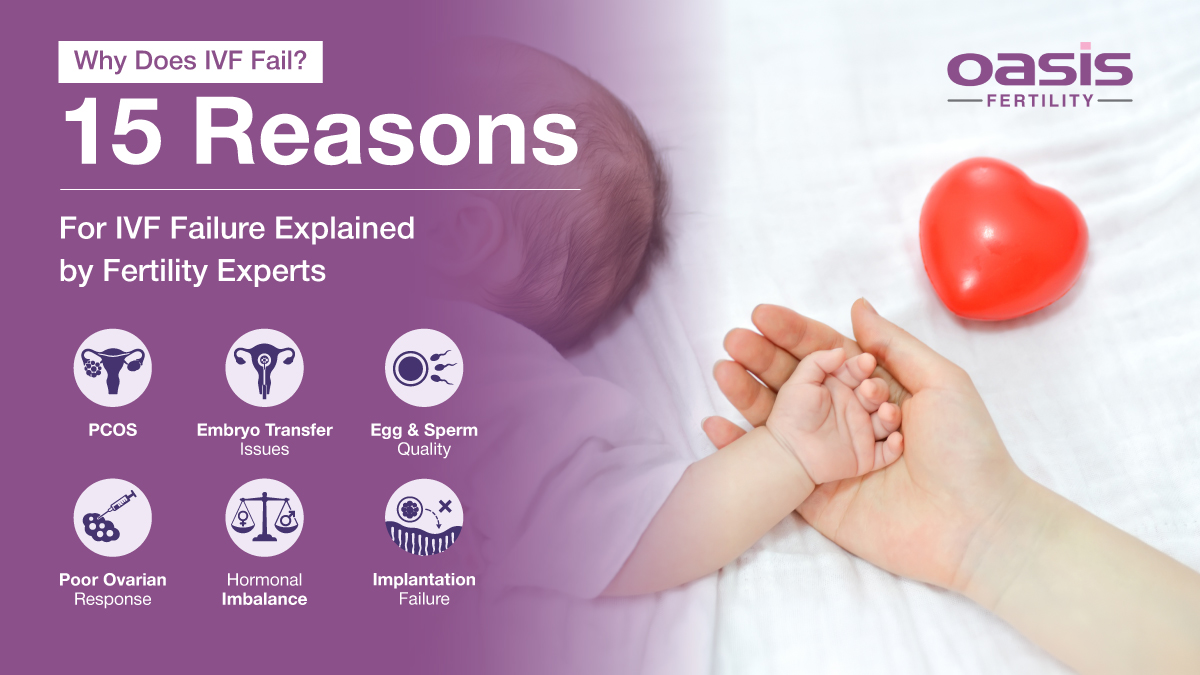
Why Does IVF Fail?
IVF most commonly fails because the embryo does not implant successfully in the uterus. This can happen due to chromosomal abnormalities in the embryo, poor egg or sperm quality, a thin or unreceptive uterine lining, hormonal imbalance, or certain medical conditions that affect implantation. Even a good-quality embryo depends on both embryo health and a receptive uterine environment to succeed. Identifying the exact reason helps your fertility specialist personalise treatment and improve the chances of success in future cycles.
What Is Considered IVF Failure?
An IVF cycle is considered unsuccessful when pregnancy is not achieved despite undergoing fertility treatment. Failure may occur at different stages of the IVF process, including fertilisation, embryo development, implantation, or early pregnancy.
Generally, IVF failure can occur when:
- Eggs fail to fertilise.
- Embryos stop developing before transfer.
- The transferred embryo does not implant.
- Pregnancy ends as a chemical pregnancy or early miscarriage.
Understanding which stage the treatment failed is the first step toward selecting the most appropriate strategy for the next IVF cycle.
15 Common Reasons for IVF Failure
1. Chromosomal Abnormalities in the Embryo
Chromosomal abnormalities are considered the most common reason for IVF failure. An embryo may appear healthy under the microscope but still contain extra or missing chromosomes that prevent normal development.
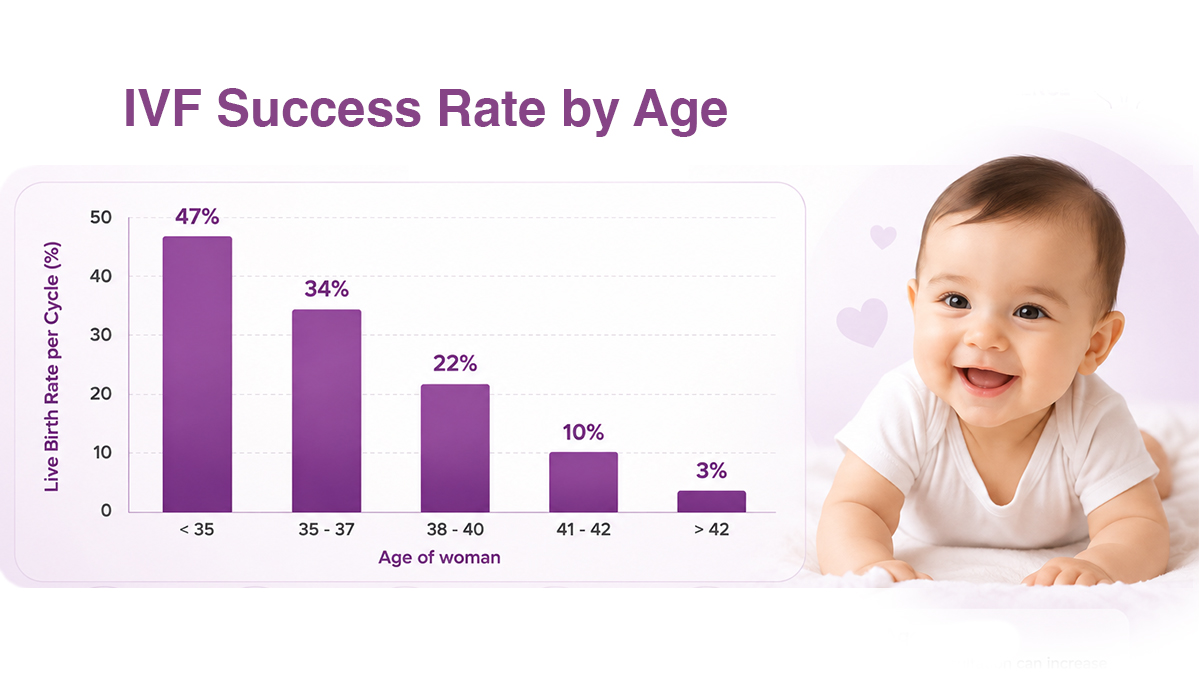
These embryos often fail to implant or may result in an early miscarriage. The likelihood of chromosomal abnormalities increases with maternal age, particularly after 35 years.
Can it be treated? While chromosomal abnormalities cannot be corrected, advanced embryo screening such as Preimplantation Genetic Testing (PGT-A) may help identify chromosomally normal embryos in selected patients.
2. Poor Egg Quality
Healthy eggs are essential for producing healthy embryos. As women age or ovarian reserve declines, egg quality may reduce, increasing the chances of abnormal embryo development.
- Advanced maternal age
- Diminished ovarian reserve
- PCOS in some patients
- Oxidative stress
- Certain medical conditions
Even when fertilisation occurs successfully, poor-quality eggs may result in embryos that stop developing before implantation.
3. Poor Sperm Quality (Including DNA Fragmentation)
Male fertility plays an equally important role in IVF success. Low sperm count, poor motility, or abnormal morphology can reduce fertilisation rates — and even normal-looking sperm can carry high DNA fragmentation that affects embryo development, implantation, and early pregnancy loss.
- Varicocele
- Smoking and excessive alcohol use
- Obesity
- Chronic illness or untreated infections
- Ageing
- Environmental toxins and oxidative stress
Can it be treated? In many cases, yes. Lifestyle changes, treating underlying conditions, antioxidants (when advised), surgical correction of varicocele where appropriate, or advanced sperm-selection techniques may help. In selected situations, donor sperm may be considered after specialist evaluation.
4. Implantation Failure
Successful fertilisation does not always lead to pregnancy. After embryo transfer, the embryo must attach firmly to the uterine lining and continue developing. When this does not occur, it is known as implantation failure — one of the most common causes of unsuccessful IVF.
- Poor embryo quality
- Thin endometrial lining
- Hormonal imbalance
- Inflammation within the uterus
- Incorrect implantation window
Many implantation-related factors can be investigated and managed before another IVF attempt.
5. Thin or Unreceptive Endometrial Lining
The uterine lining (endometrium) plays a crucial role in embryo implantation. If the lining is too thin or not receptive at the time of embryo transfer, implantation becomes less likely.
- Low estrogen levels
- Previous uterine surgery
- Chronic endometritis
- Reduced blood flow
- Hormonal imbalance
Improving endometrial health before embryo transfer may increase the chances of successful implantation.
6. Hormonal Imbalance
Hormones coordinate every stage of the IVF process. Insufficient progesterone, thyroid disorders, elevated prolactin levels, or estrogen imbalance may interfere with implantation and early pregnancy development.
Your fertility specialist may recommend hormone testing before planning another IVF cycle to optimise the uterine environment and improve treatment outcomes.
7. Uterine Abnormalities
A healthy uterus is essential for successful embryo implantation. Structural abnormalities such as uterine fibroids, endometrial polyps, adhesions (Asherman’s syndrome), uterine septum, or adenomyosis may interfere with implantation by changing the shape of the uterine cavity or reducing endometrial receptivity.
Not all fibroids affect fertility. However, fibroids or polyps that distort the uterine cavity can reduce the chances of implantation and may increase the risk of miscarriage.
Can it be treated? Yes. Depending on the condition, your fertility specialist may recommend hysteroscopy or other appropriate treatment before planning another IVF cycle.
8. Endometriosis and Adenomyosis
Endometriosis and adenomyosis are common gynaecological conditions that may affect fertility by reducing egg quality, causing pelvic inflammation, and altering the uterine environment needed for implantation.
Women with moderate to severe endometriosis may experience lower IVF success rates than those without the condition. Adenomyosis can also reduce implantation rates by affecting the endometrium.
Can it be treated? Yes, in most cases. Treatment depends on the severity of the condition and may include medications, surgery in selected cases, or modifications to the IVF protocol.
9. Polycystic Ovary Syndrome (PCOS)
PCOS is one of the leading causes of ovulation disorders. Although many women with PCOS achieve successful pregnancies through IVF, the condition can sometimes affect egg quality, hormone balance, and ovarian response to stimulation.
Women with PCOS are also at higher risk of Ovarian Hyperstimulation Syndrome (OHSS), making individualised stimulation protocols important.
Can it be treated? Yes. Personalised ovarian stimulation, weight management where appropriate, and careful hormonal monitoring help improve IVF outcomes in women with PCOS.
10. Poor Response to Ovarian Stimulation
Every woman responds differently to the hormone medications used to stimulate the ovaries. Some produce very few eggs despite an adequate dose (poor responders), while others over-respond and are at risk of OHSS — both extremes can affect egg and, ultimately, embryo quality.
Poor response is more common with diminished ovarian reserve or advanced age, but the stimulation protocol itself also plays a role.
Can it be treated? Often, yes. Adjusting the stimulation protocol, medication dose, or trigger timing in the next cycle — based on how you responded this time — can significantly change the outcome.
11. Lifestyle and Metabolic Factors
Your overall health plays an important role in IVF success. Certain lifestyle habits and medical conditions may negatively affect egg quality, sperm health, embryo development, and implantation.
- Smoking
- Excessive alcohol consumption
- Obesity
- Poor nutrition
- Uncontrolled diabetes
- Thyroid disorders
- Lack of physical activity
- Chronic stress
Optimising overall health before treatment may improve reproductive outcomes and support a healthier pregnancy.
12. Autoimmune or Chronic Inflammatory Conditions
Some women experience recurrent implantation failure due to chronic inflammation or certain autoimmune disorders that affect the uterine environment.
Conditions such as chronic endometritis, antiphospholipid syndrome, or autoimmune thyroid disease may require additional evaluation in selected patients, particularly after repeated IVF failures.
Can it be treated? Depending on the diagnosis, fertility specialists may recommend further investigations and individualised treatment before another embryo transfer.
13. Embryo Transfer Technique
Even a healthy embryo requires a smooth and accurately timed transfer into the uterus. Although embryo transfer is generally straightforward, factors such as difficult catheter placement, uterine contractions, or technical challenges can occasionally influence implantation.
Experienced fertility specialists use ultrasound-guided embryo transfer and standardised protocols to maximise the chances of successful implantation.
14. Laboratory and Embryo Culture Factors
The quality of the embryology laboratory plays a crucial role in IVF success. Embryos develop in highly controlled laboratory conditions before transfer, and factors such as culture media, incubator stability, quality control, and embryologist expertise influence embryo development.
Choosing a fertility centre with advanced IVF laboratory infrastructure and experienced embryologists helps optimise embryo growth and treatment outcomes.
15. Advanced Maternal Age
Maternal age remains one of the strongest factors affecting IVF success. As women age, both the quantity and quality of eggs naturally decline, increasing the likelihood of chromosomal abnormalities and reducing implantation rates.
Although successful pregnancies are possible at older ages, fertility specialists may recommend individualised treatment strategies based on ovarian reserve, overall health, and reproductive history.
For women with significantly reduced ovarian reserve or repeated IVF failures related to egg quality, donor egg IVF may be discussed as a suitable option. Similarly, in cases of severe male-factor infertility where sperm quality cannot be improved sufficiently, donor sperm may also be considered after comprehensive counselling.
Why IVF Fails Despite Good Embryo Quality
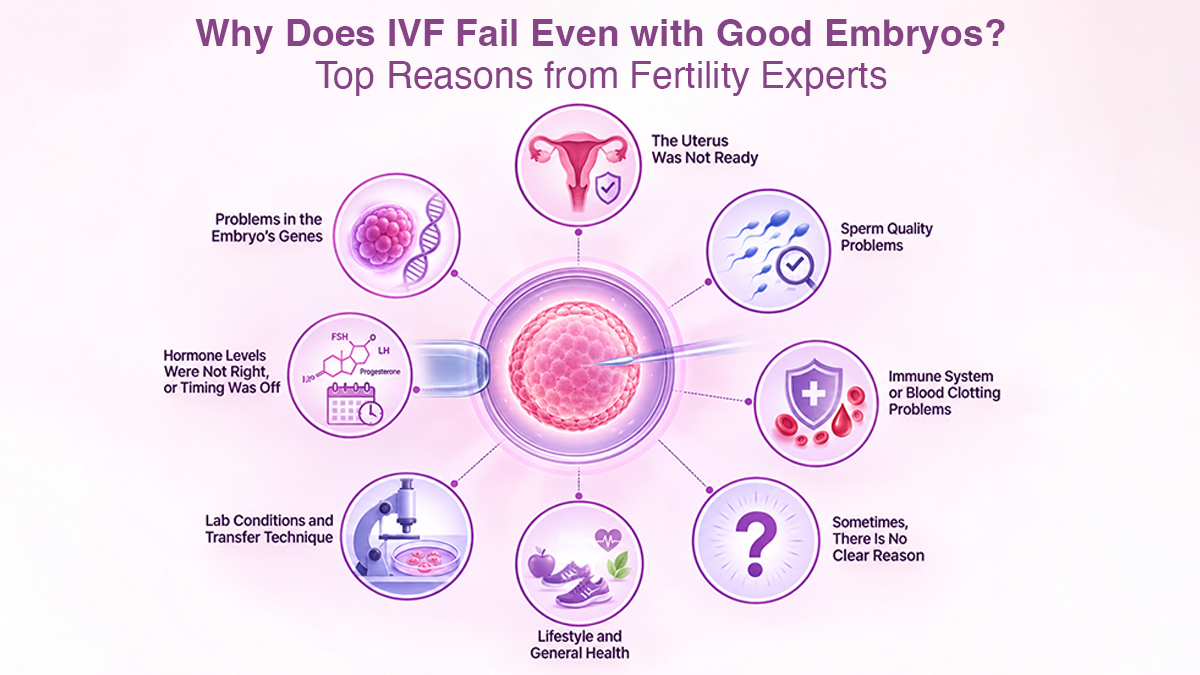
A genetically normal (PGT-A tested), top-grade embryo can still fail to implant — this is one of the most common and most frustrating searches after a failed cycle. The embryo is only half of what determines success. When this happens, the cause is usually one of the following:
- The uterine lining was not receptive at the exact time of transfer (a mistimed window of implantation)
- Undiagnosed chronic endometritis or low-grade uterine inflammation
- An immune or clotting factor preventing attachment
- Suboptimal progesterone levels around the transfer window
- Lab-handling or transfer-technique variables unrelated to the embryo itself
If this has happened more than once, ask your fertility specialist specifically about an Endometrial Receptivity Analysis (ERA) and an immune/clotting workup — these are designed to investigate exactly this scenario.
Reasons for IVF Failure After Frozen Embryo Transfer (FET)
Frozen embryo transfer (FET) cycles share most of the causes above, but a few factors are specific to this scenario:
- Freeze–thaw survival damage: Not every embryo survives vitrification and warming with full viability, even when it looks structurally intact.
- Endometrial preparation protocol mismatch: Hormone-replacement FET cycles rely entirely on medication timing to synchronise the lining with the embryo’s developmental stage — a miscalculated window is a common and correctable cause of failure.
- Progesterone support timing: Because FET cycles don’t have the natural hormone surge of a fresh cycle, progesterone start-time and dosage are critical and are usually reviewed closely if a cycle fails.
Reasons for IVF Failure After Blastocyst Transfer
Blastocyst-stage embryos (Day 5–6) have already passed one important developmental filter, so when a blastocyst transfer fails, the cause more often points toward the uterine environment than the embryo itself. Common reasons include:
- Endometrial receptivity issues, since blastocyst transfer requires very precise timing
- Zona pellucida hatching difficulty, where the embryo struggles to break out of its outer shell before implanting
- Uterine cavity factors (polyps, fibroids, scar tissue) not fully assessed before transfer
- Immune or inflammatory factors, more frequently investigated after a blastocyst-stage failure since embryo quality is less likely to be the primary cause
Recurrent Implantation Failure (RIF)
Recurrent Implantation Failure (RIF) is generally considered when two or more good-quality embryo transfers fail to result in pregnancy, typically in a woman under 40 (exact definitions vary slightly by clinic). RIF is treatable in most cases once the underlying cause is identified.
Fertility specialists typically investigate, in order:
- Embryo genetics (PGT-A)
- Uterine cavity (hysteroscopy)
- Endometrial receptivity (ERA)
- Immune and clotting factors
rather than repeating the same protocol unchanged.
Had More Than One Failed Cycle? Get It Reviewed Before You Try Again.
If you recognise your situation here, two or more failed transfers, good embryos that still didn’t implant, or no clear answer from your previous clinic, this is exactly the point where a detailed review makes the difference.
- A specialist-led read of your previous cycle’s embryo grading, hormone levels, and transfer notes
- Access to PGT-A, ERA, hysteroscopy, and DFI testing on-site
- A treatment plan built around what happened last time — not a repeat of the same protocol
Tests After Failed IVF
After a failed IVF cycle, your fertility specialist may recommend one or more of the following tests to identify the cause before your next attempt. Not every test is needed for every patient — your specialist will recommend based on your specific history.
| Test | What It Checks |
| PGT-A (Preimplantation Genetic Testing) | Chromosomal normality of the embryo |
| ERA (Endometrial Receptivity Analysis) | Whether the transfer was timed to the correct implantation window |
| Hysteroscopy | Polyps, fibroids, adhesions, or septum inside the uterine cavity |
| DFI (Sperm DNA Fragmentation Index) | Sperm DNA quality |
| AMH & Antral Follicle Count | Ovarian reserve, to guide the next stimulation protocol |
| Thyroid & Prolactin Panel | Hormonal contributors to implantation failure |
| Thrombophilia / Immunology Panel | Clotting and immune-related implantation failure |
| Endometrial Biopsy | Chronic endometritis (low-grade uterine inflammation) |
How to Improve IVF Success in Your Next Cycle
Although no treatment can guarantee pregnancy, addressing the underlying cause of a failed IVF cycle can improve the chances of success in future attempts.
- Review the Previous IVF Cycle: A detailed review of stimulation protocols, fertilisation rates, embryo development, and embryo transfer can provide valuable insights for planning the next treatment.
- Optimise Egg and Sperm Health: Maintaining a healthy lifestyle, managing chronic medical conditions, avoiding smoking and excessive alcohol consumption, and following your specialist’s recommendations may support reproductive health before the next cycle.
- Treat Underlying Medical Conditions: Managing thyroid disorders, diabetes, PCOS, endometriosis, uterine abnormalities, or chronic endometrial inflammation may improve the uterine environment and implantation potential.
- Consider Advanced Fertility Techniques When Appropriate: Depending on the underlying cause, your fertility specialist may recommend advanced approaches such as blastocyst culture, Preimplantation Genetic Testing (PGT) in selected cases, ICSI for male-factor infertility, or changes to the ovarian stimulation protocol.
- Choose an Experienced Fertility Team: IVF success depends not only on the treatment itself but also on accurate diagnosis, individualised care, experienced embryologists, and a well-equipped IVF laboratory.
Why Choose Oasis Fertility?
Many couples assume a failed IVF cycle means repeating the same treatment. But every unsuccessful cycle carries valuable clinical information — understanding why it happened is usually the key to improving the next attempt.
At Oasis Fertility, our specialists don’t move straight to another IVF cycle. They conduct a comprehensive review of your previous treatment — embryo development, egg and sperm quality, uterine health, hormonal profile, and laboratory findings — before recommending next steps.
Your evaluation may include:
- Review of your previous cycle and stimulation protocol
- Assessment of embryo quality and lab reports
- Ovarian reserve evaluation (AMH and antral follicle count)
- Advanced semen analysis and DFI testing, when indicated
- Hormonal assessment
- Ultrasound and uterine cavity evaluation
- Additional investigations based on your medical history
Why couples choose Oasis Fertility for their next cycle:
- 16+ years of dedicated, fertility-only clinical experience
- 40+ centres across 25+ cities in India
- In-house access to PGT-A, ERA, DFI, and hysteroscopy — no referrals or delays
- A personalised treatment plan built on your specific diagnosis and history, not a repeated protocol
Insert your single, verified, current success-rate figure here (ideally age-stratified) once confirmed by your clinical team — see the note on data consistency from the earlier review.
Conclusion
A failed IVF cycle can be emotionally difficult, but it doesn’t mean you’ve run out of options. Most couples who experience a failed cycle go on to have a successful pregnancy once the underlying cause is identified and addressed.
At Oasis Fertility, our specialists take the time to understand your unique fertility journey rather than offering a one-size-fits-all next cycle. Through detailed evaluation, in-house advanced diagnostics, and a personalised treatment plan, we help you make an informed decision about your next step.


fill up the form to get a
Free Consultation
Avail 0% interest on EMI
All Procedures | No Upper Limit
Frequently Asked Questions
Why did my embryo fail to implant?
Can IVF fail even with healthy embryos?
Why did my frozen embryo transfer (FET) fail?
How many IVF failures are considered normal?
What should I do after my first failed IVF cycle?
Should I change my fertility clinic after failed IVF?
What tests should be done after a failed IVF?
Can stress cause IVF failure?
Can embryo quality affect IVF success?
How can I improve implantation in my next IVF cycle?
Is recurrent implantation failure treatable?
When should I seek a second opinion after IVF failure?
Related posts