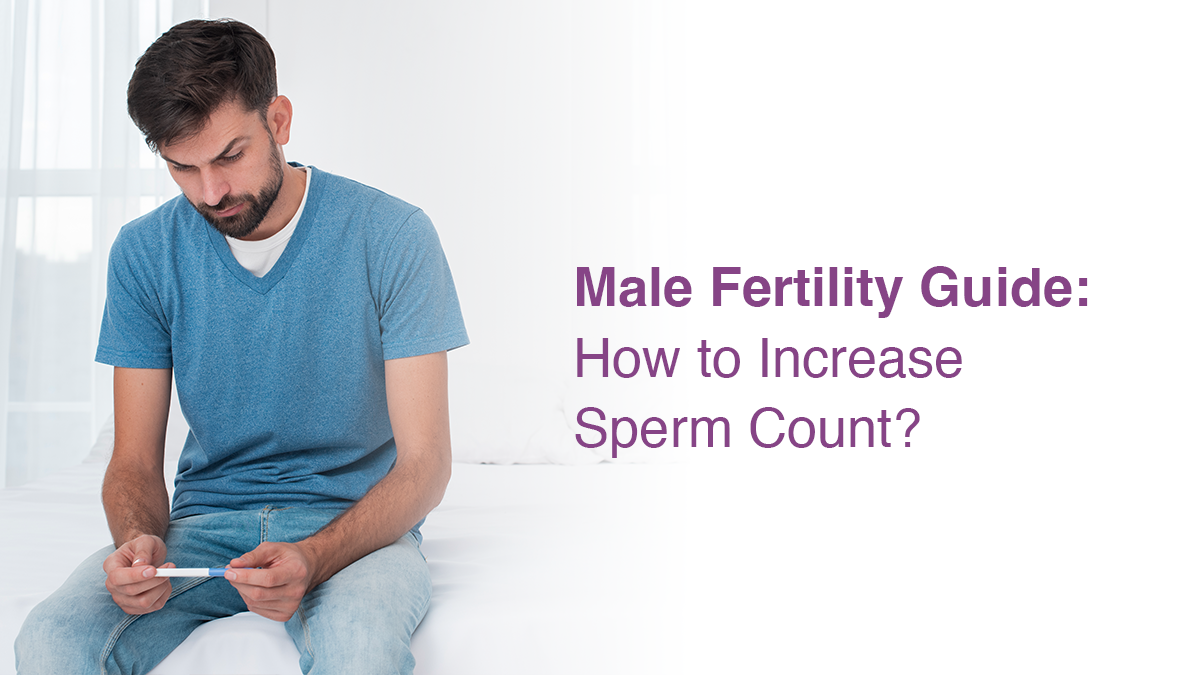







Testosterone is often called a male hormone, yet both men and women produce it. In men, it is made mainly in the testes, while women produce smaller amounts in the ovaries and adrenal glands. It supports muscle strength, bone health, mood and sexual development. Testosterone levels change with age, and imbalance can affect energy, fertility and overall well-being.
In this article we will understand what testosterone is, its definition, action, normal ranges, and complications associated with abnormal levels (excessive or deficient).
What is Testosterone?
Testosterone meaning is a hormone that is mostly made in the testicles in men and the ovaries in women, with a small amount made by the adrenal glands. It is part of a group of hormones called androgens, which help your body grow, develop, and stay healthy.
Role of Testosterone in the Body
In men, testosterone is very important. It helps the body grow muscles, develop stronger bones, produce sperm, and create male sexual characteristics like facial hair and a deeper voice. It also plays a role in energy levels, mood, and sexual desire.
Women also need testosterone, though in smaller amounts. It helps maintain muscle and bone strength, supports energy, keeps the sex drive healthy, and can even affect mood. Without proper balance, women can feel tired or weak and may face other health problems.
How Testosterone Affects Overall Health?
Balanced testosterone levels help the body stay healthy and energetic. If levels are too low, it can cause tiredness, weak muscles, low sex drive, or even depression. If levels are too high, it may cause problems like acne, hair growth in unusual places, mood swings, or irregular periods in women. Keeping testosterone in a normal range is important for feeling good and staying healthy.
Normal Testosterone Levels by Age
Testosterone naturally changes as we get older. In men, levels are highest in their 20s and slowly decline with age. In women, levels are generally lower but also decrease after menopause.
- In men, normal levels are roughly 300–1,000 ng/dL in young adults and can drop to 250–850 ng/dL after 50.
- In women, normal levels are about 15–70 ng/dL during reproductive years and 5–45 ng/dL after 50.
These numbers may slightly vary from person to person and from lab to lab.
Signs of Low Testosterone vs. High Testosterone
Low testosterone can make you feel very tired, cause weak muscles, reduce your sex drive, make bones weaker, or cause mood swings and weight gain.
High testosterone, on the other hand, can cause acne, oily skin, aggressive behavior, extra hair growth in women, irregular periods, and sleep problems. Men with very high levels may also face issues like an enlarged prostate.
Common Causes of Testosterone Imbalance
Testosterone levels can change for many reasons. Here’s a few:
- Aging is a natural cause.
- Chronic illnesses like diabetes or kidney problems, obesity, hormonal issues, stress, lack of sleep, and certain medications like steroids or chemotherapy.
- Lifestyle and health conditions play a big role in keeping testosterone balanced.
Health Issues Linked to Low Testosterone
When testosterone is low, men may notice weaker muscles, more body fat, less energy, weaker bones, a low sex drive, and fertility issues. Women may feel tired, lose muscle, and have a low libido. Both men and women may experience mood swings, depression, and difficulty concentrating.
Health Issues Linked to High Testosterone
High testosterone can also be harmful. In women, it may cause irregular periods, unwanted hair growth, and acne. Men may experience aggression, hair loss, and enlarged prostate problems. Both men and women may have sleep disturbances and, in some cases, higher heart risks.
How Are Testosterone Levels Tested?
Testing testosterone is simple. A doctor usually takes a blood sample, often in the morning when levels are highest. They may test for total testosterone or free testosterone, depending on your symptoms. This test helps understand if your levels are normal, too high, or too low.
Lifestyle Factors That Influence Testosterone
You can naturally influence your testosterone levels. Regular exercise, especially strength training, can help. A well-balanced diet containing quality protein, a healthy amount of good fats is vital for hormone regulation. Getting enough quality sleep is essential to maintain proper testosterone levels, as insufficient sleep leads to low testosterone levels. Managing stress also plays an important role because chronic stress results in elevated cortisol levels leading to decreased testosterone levels. Additionally, maintaining a targeted body weight helps manage testosterone levels effectively.
When to See a Doctor?
It’s a good idea to see a doctor if you feel tired all the time, have low energy, notice a low sex drive, mood changes, or unexplained weight changes. Women with irregular periods should also get checked. Early evaluation helps prevent long-term health problems and lets you take steps to restore balance.
Final Thoughts
Understanding testosterone is important for staying healthy and feeling good. Both high and low levels can affect your energy, mood, and overall health. Lifestyle changes, medical evaluation, and treatment can help bring your levels back to normal. If you want to know more about testosterone and how it affects fertility or general health, visit the Oasis Fertility Clinic near you . You can also call us at 1800-3001-1000 or use their live chat option for quick help.


fill up the form to get a
Free Consultation
Avail 0% interest on EMI
All Procedures | No Upper Limit
Frequently Asked Questions
What is a normal testosterone level for men and women?
Can testosterone levels change with age?
Can lifestyle changes improve testosterone levels naturally?
Related posts