





Fertility is a very personal and emotional subject for many couples. When pregnancy doesn’t happen as expected, confusion, anxiety and many questions may arise. Having a basic understanding of fertility issues, appropriate tests, and treatments will enable individuals and couples to make informed decisions regarding their reproductive health.
What Is Fertility and Infertility?
Fertility is the ability to get pregnant. Infertility is the inability to get pregnant after regularly attempting for one year (or 6 months if you are over 35). Infertility can affect both men and women, and in many cases is the result of a combination of factors. Fortunately, due to new developments in medicine, there are now proper infertility treatment options for many cases.
Common Causes of Fertility Issues in Women
- Ovulation problems such as PCOS or thyroid imbalance
- Blocked fallopian tubes caused by infections or previous surgeries
- Endometriosis, where tissue grows outside the uterus
- Uterine conditions like fibroids or abnormal shapes
- Age, especially after 35, when egg quality and quantity decline
These are among the most common infertility causes in women. Getting a proper infertility diagnosis helps in identifying the right path for treatment.
Common Causes of Fertility Issues in Men
In men, fertility problems are often linked to sperm health or hormonal imbalances. A low sperm count, poor sperm movement, or abnormal sperm shape can affect fertility. In some cases, blockages in the reproductive tract or ejaculation issues can also be responsible. Lifestyle habits such as smoking, alcohol consumption, and exposure to environmental toxins may further worsen fertility issues. Addressing these causes with proper fertility tests can lead to effective infertility treatment.
Signs and Symptoms to Watch Out For
Some signs of infertility can be subtle or mistaken for other health concerns. For women, irregular or missed periods, heavy bleeding, or severe period pain might point to ovulation problems or hormonal issues. Unexplained weight gain or acne could also be linked to underlying causes like PCOS. In men, low libido, pain in the testicles, or issues with ejaculation could be red flags. If any of these signs of infertility are present, it’s wise to consult a fertility specialist sooner rather than later.
When to See a Fertility Specialist?
- If you’ve been trying for a year (or 6 months if over 35) without success
- If you have irregular periods or known reproductive issues
- If your partner has a history of testicular or sexual health concerns
- If you’ve had multiple miscarriages
Seeing a specialist early can lead to quicker infertility diagnosis and timely infertility treatment.
Fertility Tests and Diagnosis
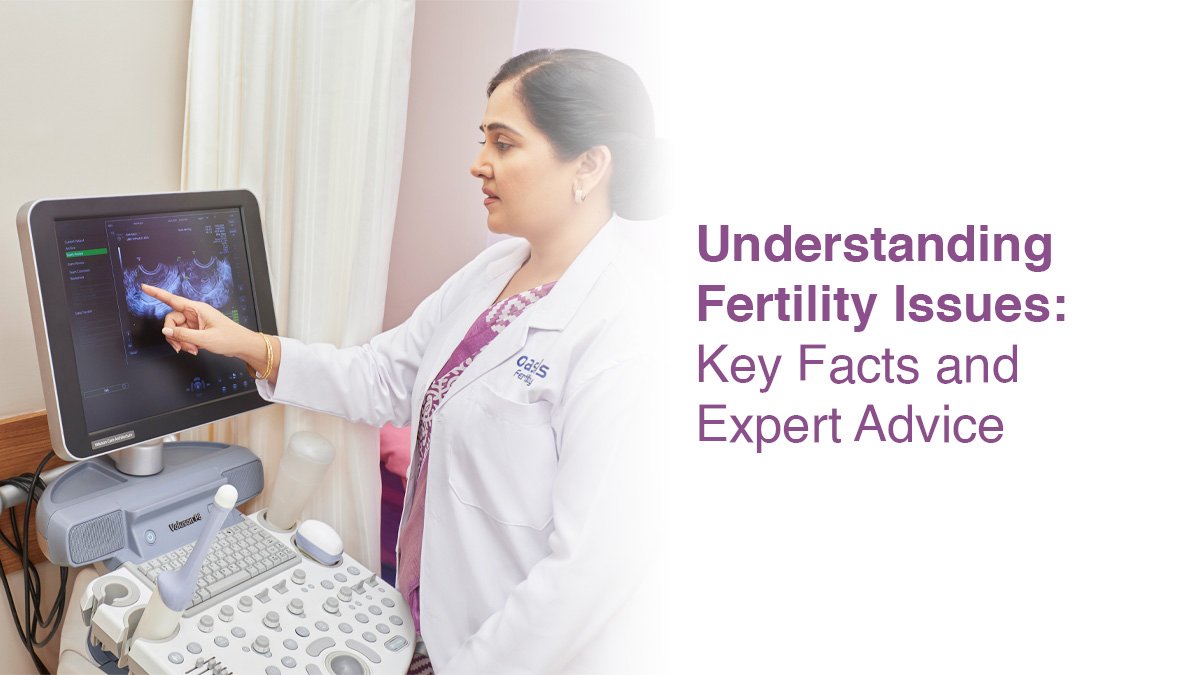
To identify the root of fertility issues, doctors recommend specific fertility tests for both partners. For women, blood tests check hormone levels, and imaging tests like ultrasounds or hysterosalpingography (HSG) help assess the uterus and fallopian tubes. For men, semen analysis is a key fertility test that evaluates sperm count, movement, and shape. Hormonal and genetic testing may also be recommended in some cases. Accurate infertility diagnosis allows doctors to create a treatment plan personalised to each couple.
Treatment Options for Fertility Issues
Infertility treatment depends on the cause and may involve:
- Medications that regulate hormones and help with ovulation
- Surgical procedures to remove fibroids, treat endometriosis, or fix blockages
- Assisted reproductive technologies (ART) like IUI and IVF
- Donor eggs, sperm, or embryos for couples with more complex issues
Thanks to advances in medical science, many couples with fertility problems are now able to conceive with the right help.
Lifestyle Factors That Can Affect Fertility
What you eat, how you live, and even how you manage stress can affect your chances of getting pregnant. Smoking, heavy drinking, lack of exercise, being overweight or underweight, and even sleep issues can impact fertility. Both men and women should adopt a healthy lifestyle, including a balanced diet, regular physical activity, and stress management, to improve their reproductive health. Sometimes, simple lifestyle changes can significantly boost fertility before even starting medical infertility treatment.
Emotional and Psychological Impact
Dealing with fertility issues can be emotionally draining. The monthly cycle of hope and disappointment can lead to anxiety, depression, and strain in relationships. It’s important to acknowledge these feelings and seek support. Talking to a counsellor, joining a fertility support group, or simply having open conversations with your partner can help reduce the emotional burden. Taking care of your mental health is just as vital as physical health during this journey.
Preventive Tips and Fertility Preservation
- Maintain a healthy weight and diet
- Avoid tobacco, alcohol, and recreational drugs
- Manage stress through relaxation techniques
- Treat underlying health conditions like diabetes or thyroid problems
- Consider fertility preservation methods like egg or sperm freezing if delaying parenthood
Being proactive can help decrease the risk of future fertility problems and give couples more control over their reproductive choices.
Expert Advice for Couples Trying to Conceive
Experts recommend tracking ovulation using apps or kits to increase your chances of conception. Have regular, unprotected intercourse during the fertile window. Avoid over-the-counter hormone pills or unverified treatments. Most importantly, don’t delay seeking help if you sense something is off.
Early infertility diagnosis and a customised infertility treatment plan can make all the difference. Keep communication open with your partner, and stay hopeful—fertility journeys can be long, but many couples find success with time and the right guidance.
Conclusion
Fertility issues can feel overwhelming, but knowledge is power. Understanding infertility causes, recognising early signs of infertility, and getting timely fertility tests can help you take control of your fertility journey. With several infertility treatment options and expert support from a fertility specialist from a Oasis Fertility Clinic near you, it is possible to make an informed decision. You can also call us at 1800-3001-1000 or use our live chat option for immediate assistance.
FAQs
What are the early signs of infertility in men and women?
Irregular periods, painful periods, low sperm count, or issues with ejaculation can all be warning signs.
How long should couples try before seeking fertility help?
Try for a year if under 35, or for six months if over 35, before consulting a fertility specialist.
Can stress and lifestyle really affect fertility?
Yes, high stress, poor diet, smoking, and lack of exercise can all reduce your chances of getting pregnant.
Is infertility always permanent, or can it be treated?
No, many fertility issues can be treated successfully through medication, lifestyle changes, or assisted reproductive techniques.


fill up the form to get a
Free Consultation
Avail 0% interest on EMI
All Procedures | No Upper Limit
Related posts