



Advanced Fertility Treatments and Second Opinions: A New Hope After IVF Failures

 3 min read
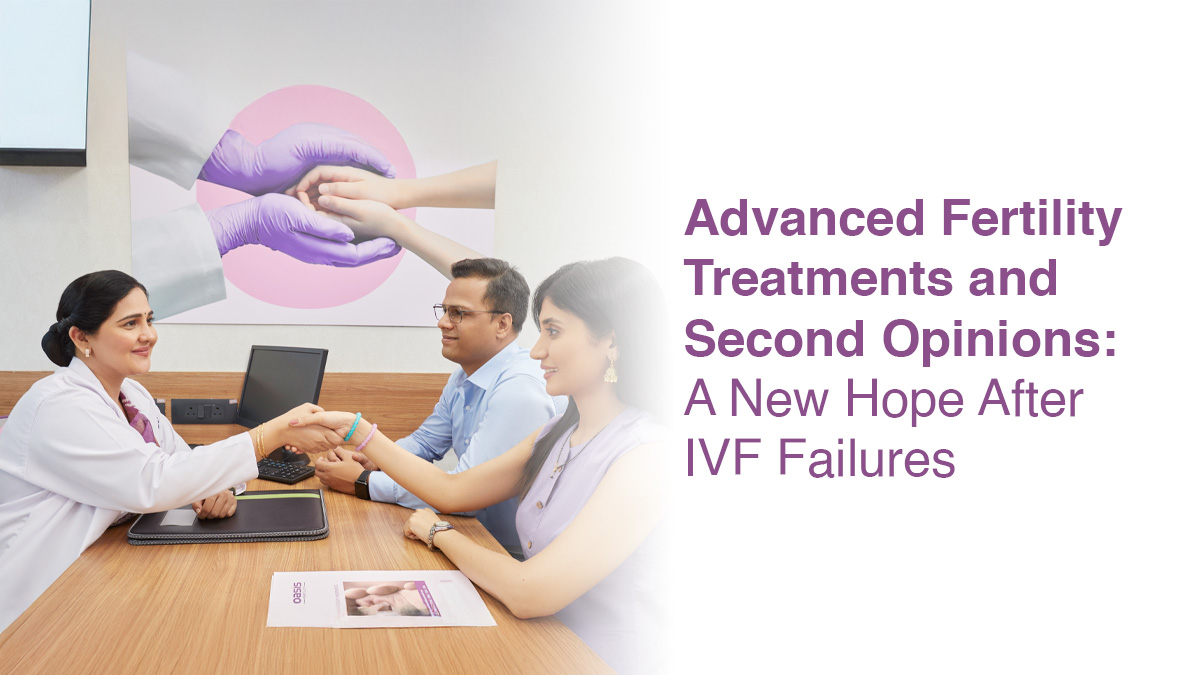
Struggling to conceive can be emotionally exhausting, especially when IVF treatment doesn’t work the first time. This can zap your emotional happiness and vitality. For many couples, after getting through months – sometimes years of the IVF process, hope feels like disappointment. That is the end of the road, isn’t it? No. Failure can lead to many possibilities. Due to advancements in fertility treatments and the support of a second opinion, people can build their families despite obstacles.
Understanding IVF Failures
First of all, let us define a failed IVF cycle. A failed IVF cycle is when either the embryo does not implant/or a pregnancy does not progress. Here are some of the reasons this might happen:
- Poor egg or sperm quality
- Chromosomal abnormalities
- Uterine issues or hormonal imbalances
- Inadequate embryo development
- Unexplained infertility treatment response
A failed IVF treatment doesn’t always mean it won’t work in the future. But it does signal that something needs to be adjusted. That’s where the idea of a second opinion and advanced fertility treatments becomes important.
Why You Should Consider a Second Opinion?
After an IVF failure, many couples feel stuck. But medicine is not one-size-fits-all. Getting a second opinion from a different fertility specialist can open new doors. Here’s why it matters:
- Different fertility clinics use different protocols, technologies, and techniques.
- A fresh set of eyes can identify missed diagnoses or suggest new paths.
- Emotional reassurance and better explanations help you feel more confident moving forward.
Sometimes, a small change in the IVF process, like altering medication or testing further, can significantly boost your chances.
Advanced Fertility Treatments Available Today
Thanks to developments in reproductive medicine, couples now have more choices beyond standard in vitro fertilisation. Some of these include:
- Preimplantation Genetic Testing (PGT)
- Helps detect genetic issues in embryos before transfer, improving IVF success rates.
- Egg Donation and Sperm Donation
- For couples dealing with poor egg or sperm quality, egg donation or sperm donation can make pregnancy possible.
- Frozen Embryo Transfer (FET)
- Transfers embryos in a later cycle, which can be timed better for your body.
- ERA (Endometrial Receptivity Analysis)
- Determines the best time to transfer embryos for higher implantation chances.
- Immunological Testing and Treatment
- Identifies immune issues that may affect embryo acceptance.
These techniques offer hope to couples who previously faced repeated IVF failure. A tailored approach using these fertility treatments can dramatically increase the likelihood of success.
How Technology and Personalisation Improve Outcomes?
Gone are the days of “one-plan-for-all” IVF treatment. Today, fertility clinics use advanced tech to customise treatments:
- Time-lapse embryo monitoring for better selection
- Hormone profiling for customised medication
- 3D imaging of the uterus for deeper analysis
Personalised medicine ensures every step of the IVF process fits your unique body and health profile. That’s how many people find success, even after repeated in vitro fertilisation attempts.
Choosing the Right Clinic and Specialist
Your choice of fertility clinic and fertility specialist matters more than you think. Here’s what to consider:
- IVF success rates: Ask for data on your age group.
- Availability of advanced fertility treatments and lab facilities
- Willingness to explain and personalise care
- Support for emotional and mental health during the journey
Switching to a clinic that offers modern diagnostics and a more human touch can be the difference between another IVF failure and a successful pregnancy.
What Can We Learn from IVF Failures?
A failed IVF treatment can feel devastating, but it often reveals valuable insights. Sometimes, it uncovers hidden health issues like thyroid problems or immune disorders that may affect implantation. It can also show that the standard IVF process might not be right for your body, highlighting the need for a more personalised approach.
Failed cycles may point to concerns with egg or sperm quality, leading couples to consider options like egg donation. They can also signal the need to switch to a better-equipped fertility clinic or consult a more experienced fertility specialist.
In reproductive medicine, every failed attempt offers a chance to learn and refine the next steps. Many couples find that with the right changes, what once seemed like the end becomes a new beginning.
Conclusion
If you’ve faced an IVF failure, don’t give up hope. Fertility science has come a long way, and you deserve to explore every possible option. A second opinion might uncover what’s missing, and advanced fertility treatments can give you that much-needed breakthrough. Don’t hesitate to reach out to a fertility expert from the Oasis Fertility Clinic near you to understand which advanced fertility treatment you might need. You can also call us at 1800-3001-1000 or use our live chat option for prompt assistance.
FAQs
When should I consider a second opinion after a failed IVF cycle?
If you’ve had one or more failed cycles or if your doctor can’t clearly explain the reason behind it, it’s time to seek another expert’s view.
Are advanced treatments more expensive than standard IVF?
They can be slightly more expensive, but they also increase your chances of success, which may save money in the long run.
What if I’ve already tried multiple IVF cycles with no success?
Advanced tests or different treatment plans like using donor eggs or new medications might still work. Each failed cycle offers new insight.
Can changing clinics really make a difference?
Yes. Different clinics have different technologies, experience levels, and approaches. Sometimes, that change is all it takes to succeed.


fill up the form to get a
Free Consultation
Avail 0% interest on EMI
All Procedures | No Upper Limit
Related posts