





Uterine position is usually noted during routine scans or fertility evaluations. However, women are sometimes not aware of what a normal uterus looks like. This leads to concern, even when no symptoms are present.
An anteverted uterus is one of the most observed uterine positions in women of reproductive age. If you know how it relates to fertility, pregnancy progression, and long-term health, it helps you clarify whether medical attention is required or simple awareness is enough.
What Is an Anteverted Uterus?
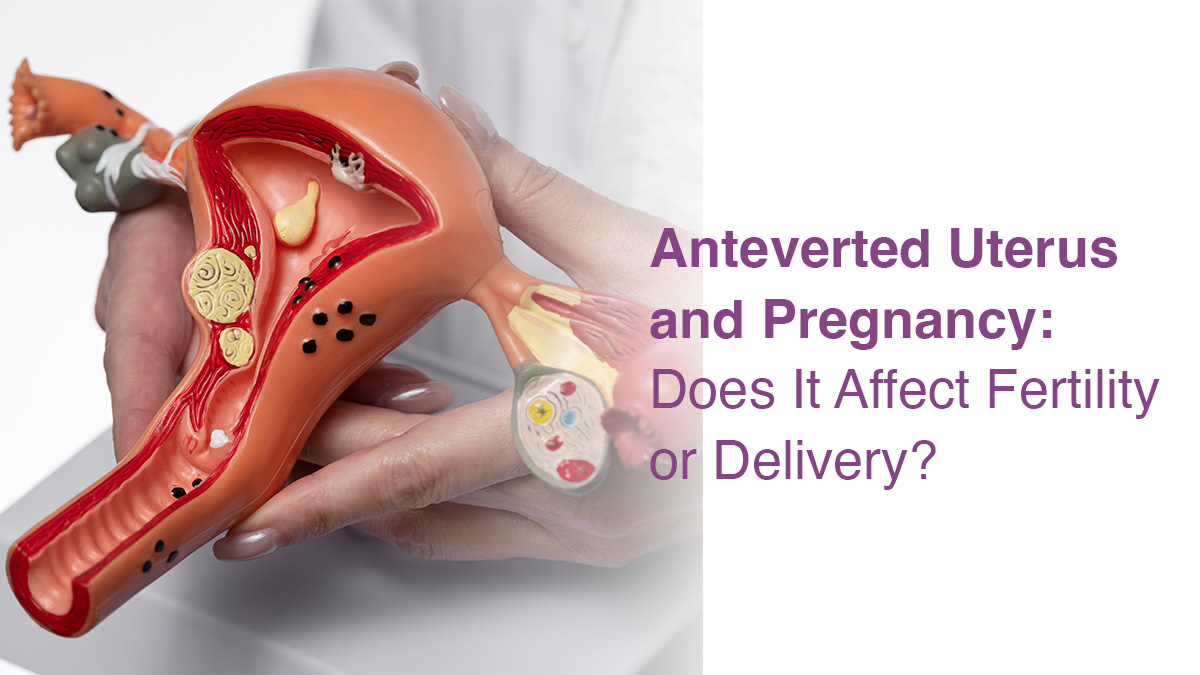
An anteverted uterus describes a uterus that tilts forward toward the bladder. This position is a normal pelvic anatomy rather than a disorder. In most women, the uterus naturally rests in this forward-leaning orientation from adolescence onward.
Doctors identify uterine position during a pelvic examination or confirm it through ultrasound. This finding is incidental and does not signal any disease. Changes in hormones, muscle tone, and pregnancy temporarily alter the uterus, but its basic orientation generally remains the same.
How an Anteverted Uterus Differs from Other Uterine Positions?
Uterine position is the natural tilt and alignment of the uterus within the pelvis. An anteverted uterus tilts forward toward the bladder. Other uterine positions describe different directions or angles. These variations are anatomical findings and are not considered medical disorders. Let’s understand it in detail:
| Uterine Position | Direction of the Uterus | Description | Impact on Health or Fertility |
| Anteverted uterus | Tilted forward | The uterus rests over the bladder | Common anatomical position |
| Retroverted uterus | Tilted backward | The uterus leans toward the spine | Usually, no clinical impact |
| Anteflexed uterus | Bent forward | The uterus bends at the cervix | Often seen with anteversion |
| Retroflexed uterus | Bent backward | The uterus bends toward the rectum | Considered a normal variation |
These positions are usually identified during pelvic examination or ultrasound imaging. In the absence of symptoms, no correction or treatment is required.
Is an Anteverted Uterus Good or Bad for Overall Health?
An anteverted uterus does not affect overall reproductive or general health. It does not interfere with menstrual cycles, hormone balance, or pelvic organ function. Many women are unaware of their uterine position unless it is mentioned during routine evaluation.
From a health perspective:
- Menstrual flow follows usual patterns
- Pelvic organs function normally
- No treatment is required for uterine position alone
- Long-term health outcomes remain unaffected
When pelvic discomfort occurs, doctors assess for underlying conditions such as fibroids or endometriosis rather than checking the orientation of the uterus.
Does an Anteverted Uterus Affect Fertility?
An anteverted uterus does not interfere with ovulation, fertilisation, or embryo implantation. Fertility depends on ovarian reserve, hormonal regulation, fallopian tube health, and sperm quality. Uterine tilt alone does not influence these processes.
Clinical evaluations focus on the uterine cavity, endometrial lining, and tubal patency rather than uterine direction. Women with an anteverted uterus conceive at the same rates as those with other uterine positions. Assisted reproductive treatments also follow standard protocols without modification for uterine tilt.
How does an Anteverted Uterus Influence Early Pregnancy Symptoms?
Hormonal changes influence early pregnancy symptoms. Uterine position plays a limited role during the initial weeks. In women with an anteverted uterus, the uterus is closer to the bladder during early gestation.
Some early sensations reported include:
- Mild pelvic pressure
- Increased frequency of urination
- Lower abdominal fullness
- Temporary pelvic discomfort
As pregnancy progresses, the uterus expands upward into the abdominal cavity. These sensations usually reduce without medical treatment.
Is an Anteverted Uterus Dangerous?
An anteverted uterus is not dangerous. It does not increase miscarriage risk, complicate labour, or affect delivery outcomes. Obstetric care does not change based on uterine position.
In rare situations, pain during intercourse or menstrual discomfort can happen. These symptoms are more often linked to coexisting pelvic conditions and not the position of the uterus. Medical management focuses more on the underlying cause rather than the uterine tilt.
When to Consult a Gynaecologist About Uterine Position?
Medical consultation is advised when pelvic pain, heavy menstrual bleeding, repeated pregnancy loss, or difficulty conceiving occurs frequently. In such cases, uterine position assessment forms part of a broader pelvic evaluation.
Diagnosis involves pelvic examination and ultrasound imaging. These tools rule out structural or inflammatory conditions. An anteverted uterus identified without symptoms does not require monitoring or treatment.
Final Thoughts
When you know more about the uterine anatomy, it helps you understand fertility findings in the proper context. An anteverted uterus is a common anatomical variation and does not interfere with fertility, pregnancy progression, or delivery.
If reproductive concerns continue or you are planning your pregnancy, consult your doctor. The specialists at Oasis Fertility provide structured fertility assessment and guidance. You can reach the team at 1800-3001-1000 or connect through live chat to discuss the next steps.


fill up the form to get a
Free Consultation
Avail 0% interest on EMI
All Procedures | No Upper Limit
Frequently Asked Questions
Why does the cost of IVF vary so much between patients?
Can I reduce costs by reusing tests done earlier at another clinic?
Do I need to travel outside Hyderabad for advanced IVF procedures?
Are there hidden charges that appear later in the cycle?
How can I get an exact IVF cost estimate for my case in Hyderabad?
How we reviewed this article:
- Current Version
Related posts