





Introduction
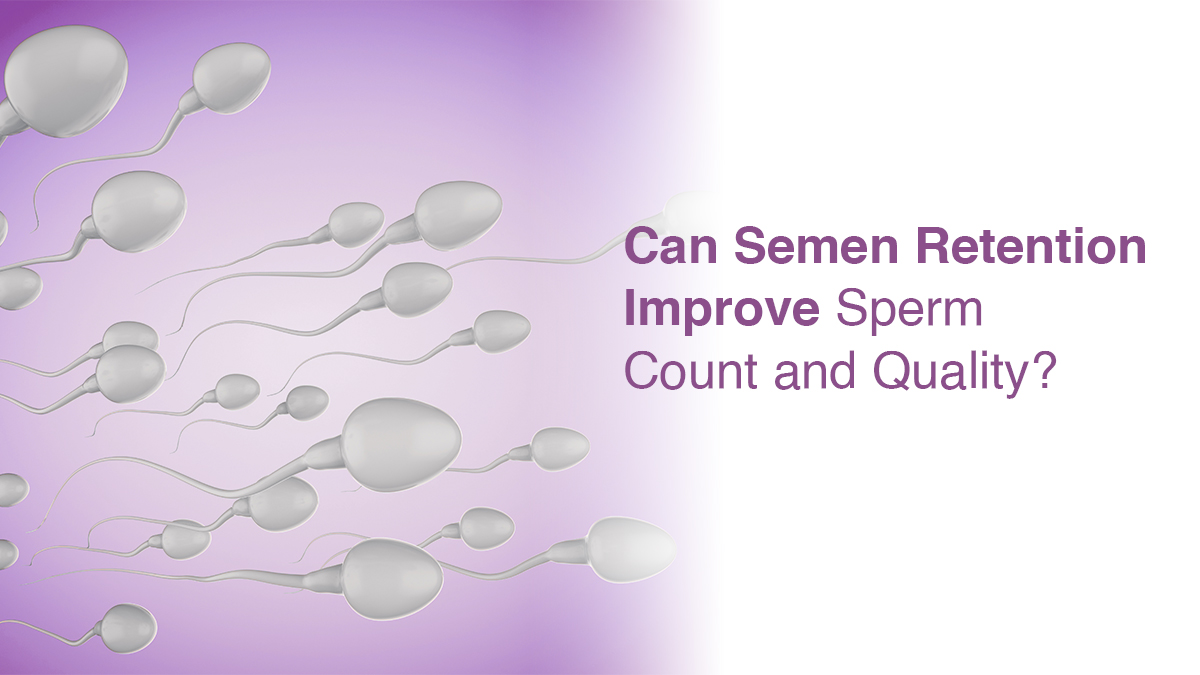
The concept of semen retention, specifically as a natural method for boosting male fertility has been the talk of the town and is gaining importance. It is a common belief that by avoiding ejaculation for a certain period, sperm count and quality can improve. This, in turn, leads to a higher chance of conception. But how true are these claims? Does semen retention really benefit sperm health, or is it just a myth? Let’s explore the science behind it.
What Is Semen Retention?
Semen retention is the practice of avoiding ejaculation. People adopt it for various reasons, spiritual beliefs, improving physical energy, or enhancing fertility.
Benefits of semen retention are often claimed to include:
- Higher energy levels
- Better focus
- Increased testosterone
- Improved sperm quality and count
But while these claims sound promising, it’s important to look at how sperm is produced and whether retention truly influences its health.
How Sperm Production Works
The male body continuously produces sperm through a process called spermatogenesis, which takes about 64–72 days. New sperm are made in the testicles and stored in the epididymis until ejaculation.
Some important points about sperm production:
- The body creates millions of sperm daily.
- Old sperm that are not released are usually reabsorbed by the body.
- Healthy sperm production depends on hormones, nutrition, lifestyle, and overall health.
This means sperm health is not solely determined by how often a man ejaculates, but rather by his overall reproductive system and lifestyle habits.
Does Semen Retention Affect Sperm Count?
Many men wonder if holding back ejaculation increases sperm count.
A few studies suggested that short-term abstinence, about 4 days, can increase sperm volume by 11.9%. That’s why fertility doctors often recommend men avoid ejaculation for 2–3 days before providing a semen sample.
However, long-term abstinence does not have a significant impact on sperm concentration; it reduces sperm motility and increases the number of older, less healthy sperm.
So, while semen retention for a short duration can boost sperm count, excessive retention does not always mean better sperm health.
Can Semen Retention Improve Sperm Quality?
Sperm quality is not just about numbers. It includes:
- Motility: how well sperm move
- Morphology: shape and structure
- DNA integrity: genetic health
Research shows that ejaculating too frequently can lower sperm count temporarily. Even avoiding ejaculation for too long may lead to the buildup of older sperm, which can affect the quality of sperm ejaculated.
Moderate abstinence of 2–5 days seems ideal, which balances both count and quality.
Research Insights and Observations
Several studies provide insights:
- Ancient Practice vs. Modern Science: While semen retention has cultural and spiritual roots, modern medical research does not support most of the claimed benefits.
- Lack of Scientific Evidence: No strong scientific studies confirm that semen retention improves energy, mental clarity, or emotional stability.
- Testosterone Link Is Inconclusive: Limited small-scale studies show minor fluctuations in testosterone levels with short-term abstinence, but evidence is inconsistent and not reliable.
- Sperm Health: Research does not suggest that long-term retention improves sperm quality. Instead, moderate abstinence (2–7 days) is generally recommended for optimal fertility.
This suggests that semen retention has limited benefits and should not be seen as a cure-all.
Ideal Duration for Semen Retention
If semen retention is practiced for improving fertility, the ideal duration seems to be 2–4 days. This window balances sperm counts and quality.
- Less than 2 days: sperm count may be lower.
- More than 10 days: sperm motility and DNA quality may decline.
So, moderation is key.
Other Factors Affecting Sperm Health
Semen retention alone cannot guarantee healthy sperm. Several other factors play an equally important role:
- Diet: Foods rich in antioxidants, zinc, selenium, and vitamins help sperm health.
- Lifestyle: Smoking, alcohol, and stress are well-studied factors that harm sperm quality.
- Weight: Obesity affects hormone levels and sperm function.
- Exercise: Moderate physical activity is known to boost fertility, but excessive heat (like saunas or hot tubs) may harm sperm.
- Medical conditions: Varicocele, infections, or hormonal issues may reduce fertility.
When to See a Fertility Specialist
Men should consult a fertility specialist if:
- They have been trying to conceive for over a year without success.
- They have a history of medical conditions affecting fertility.
- They notice changes in sexual function or ejaculation.
Specialists may recommend semen analysis, hormonal tests, or advanced fertility treatments depending on the condition.
Conclusion
Semen retention is a practice surrounded by many beliefs. Still, the scientific evidence shows that short-term abstinence may improve sperm count and quality. Sperm production is continuous, and overall lifestyle, diet, and medical health matter more than just retention. Along with sperm retention, you can also read about the different foods and vitamins you should include in your diet to get the best results.
If you and your partner are having challenges while trying to conceive for over a year, it’s best to consult experts instead of relying only on semen retention.
At Oasis Fertility, we provide advanced fertility care backed by research and technology. Our team of specialists helps you with personalised treatment plans for better reproductive health. Call us at 1800 3001 1000 to book an appointment today.
FAQs
How many days of semen retention improve sperm count the most?
Most studies suggest that 2–5 days of abstinence is considered ideal for balancing sperm count and quality.
Can long-term semen retention harm sperm quality?
Yes, prolonged abstinence may reduce sperm quality due to old sperm accumulating.
Is semen retention a cure for infertility?
No, semen retention on its own does not cure male infertility. It may only temporarily improve sperm count, but underlying medical or lifestyle factors often need attention.


fill up the form to get a
Free Consultation
Avail 0% interest on EMI
All Procedures | No Upper Limit
Related posts