





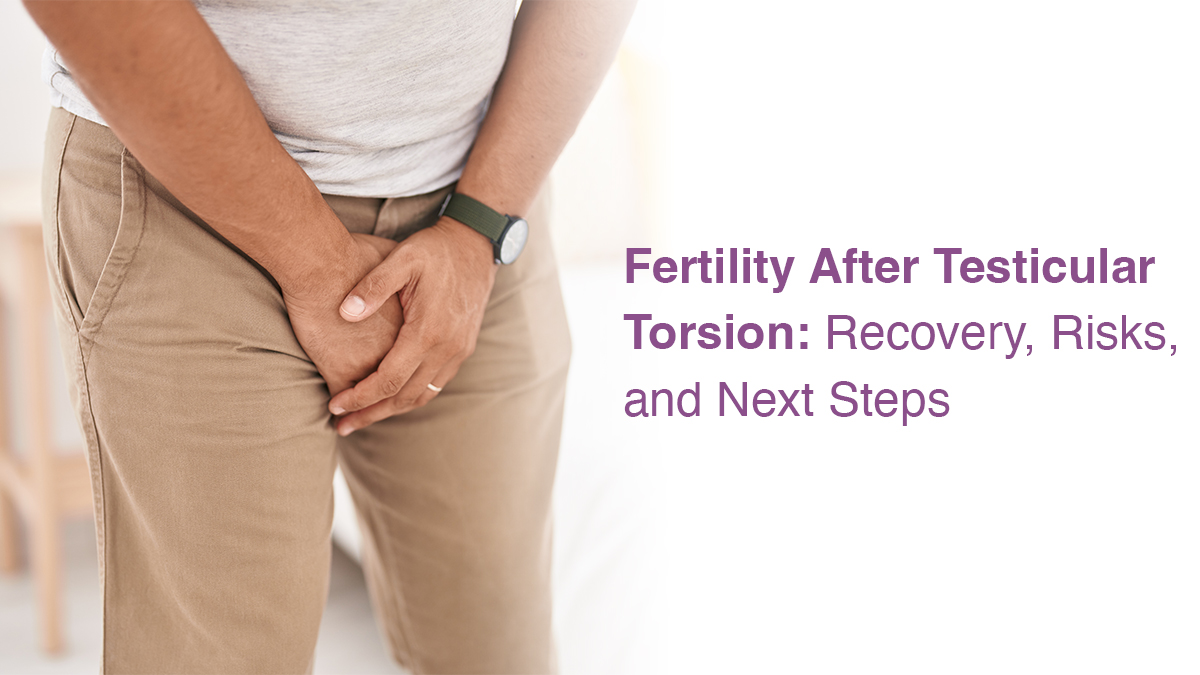
When it comes to male fertility and reproductive health, it is not uncommon to forget about critical acute medical problems such as testicular torsion. But for men who experience this painful condition, the question of future fatherhood becomes very real. Can you have kids after testicular torsion? What are the risks? What is the next step? Let us walk you through everything you need to know:
What Is Testicular Torsion?
Testicular torsion happens when the spermatic cord, which supplies blood to the testicle, twists. This twist cuts off blood flow and can damage the testicle if not treated quickly. It frequently occurs spontaneously, and severe pain and swelling may develop in the scrotum. This occurs most frequently in teen boys and young men, but it can be seen at any age.
This is a medical emergency. Without any blood flow for greater than 6 hours, the testicle will likely be permanently damaged or even require removal.
How Does Testicular Torsion Affect Fertility?
Many men wonder if testicular torsion can cause male infertility. The answer to this question depends on the speed with which the disease is addressed and whether it affects one testicle (or both).
If only one testicle is damaged and the other is healthy, your body can still produce sperm and testosterone. However, if both testicles are injured or removed (which is rare), fertility becomes a much bigger concern. Even with one healthy testicle, there may still be subtle effects on sperm quality, especially if the torsion caused inflammation or immune responses.
Factors That Influence Fertility Outcomes
Several things can affect how testicular torsion impacts your fertility:
- Time to treatment: The sooner the torsion is treated, the better the outcome.
- Age at the time of torsion: Younger men may recover better due to stronger healing responses.
- Severity of the twist: A tighter or longer-lasting twist can do more damage.
- Whether one or both testicles are involved
- Pre-existing fertility issues: If you already have low sperm count or hormone problems, torsion might make things worse.
Recovery After Surgery
The main testicular torsion treatment is surgery, known as orchiopexy, which untwists the testicle and secures it in place. If the testicle is too damaged, it may be removed in a procedure called orchiectomy.
Recovery usually takes a few weeks. Mild swelling, soreness, and bruising are common. You’ll be advised to avoid strenuous activity and sexual activity for a short period. Doctors often secure the other testicle during surgery, too, to prevent future torsion.
Can You Still Have Children After Testicular Torsion?
Yes—many men can still father children after testicular torsion, especially if one testicle remains healthy. The remaining testicle can often produce enough sperm and hormones for normal fertility. That said, some men may experience reduced sperm count or quality, even if both testicles are preserved.
That’s why follow-up testing is important. It helps you understand where you stand and what steps to take if needed.
Fertility Testing and Monitoring
If you’ve experienced testicular torsion, consider fertility testing 3–6 months after recovery. Your doctor might recommend:
- Semen analysis: To check sperm count, movement, and shape.
- Hormone tests: To evaluate testosterone and other hormone levels.
- Ultrasound: To check blood flow and testicular health.
These tests give a clear picture of your fertility status and help catch problems early.
Preserving Fertility: Your Options
If you’re concerned about male infertility after testicular torsion, or if you need surgery to remove a testicle, talk to your doctor about sperm preservation. Some men choose to bank sperm before surgery as a precaution, especially if there’s a risk to the remaining testicle.
Other options include:
- Hormone therapy is an option if low testosterone is an issue.
- Assisted reproductive techniques (ART) like IVF or ICSI are used in case of low sperm quality.
- Lifestyle changes that support sperm health (avoiding smoking, alcohol, overheating, etc.)
Emotional Impact and Support
Going through testicular torsion is not just physically painful—it can be emotionally stressful too. Many men feel fear, embarrassment, or worry about their masculinity and fertility. These feelings are completely normal.
Talk to someone—a trusted friend, partner, or therapist. If you’re feeling overwhelmed, mental health support can help you cope. Support groups for men facing fertility challenges are also available online and in clinics.
When to See a Specialist?
If you’ve had testicular torsion or testicular torsion treatment, it’s wise to visit a urologist or fertility specialist if:
- You had one testicle removed.
- You’re trying to conceive without success after 6–12 months.
- Your semen analysis shows a low sperm count.
- You feel pain or swelling after recovery.
- You’re planning for your future family and want to understand your options.
Early intervention makes a big difference in protecting and managing your fertility.
Conclusion
Testicular torsion is a serious condition, but it doesn’t have to define your future fertility. With timely testicular torsion treatment, ongoing monitoring, and supportive care, many men go on to live full lives, including becoming fathers. If you wish to know more about this condition and how to treat it, head over to the Oasis Fertility Clinic near you to get a clear understanding. You can also call us at 1800-3001-1000 or use our live chat option for immediate assistance.
FAQs
Can I still father children after losing one testicle?
Yes. Most men with one healthy testicle can still father children naturally.
Does testicular torsion always affect fertility?
No. If treated quickly, fertility often remains normal, especially if one testicle is saved.
How long should I wait to try for a baby after torsion surgery?
It’s best to wait at least 3–6 months post-surgery to allow recovery and confirm sperm health.
Should I consider sperm testing after testicular torsion?
Yes. A semen analysis helps understand if your fertility has been affected and whether further steps are needed.


fill up the form to get a
Free Consultation
Avail 0% interest on EMI
All Procedures | No Upper Limit
Related posts