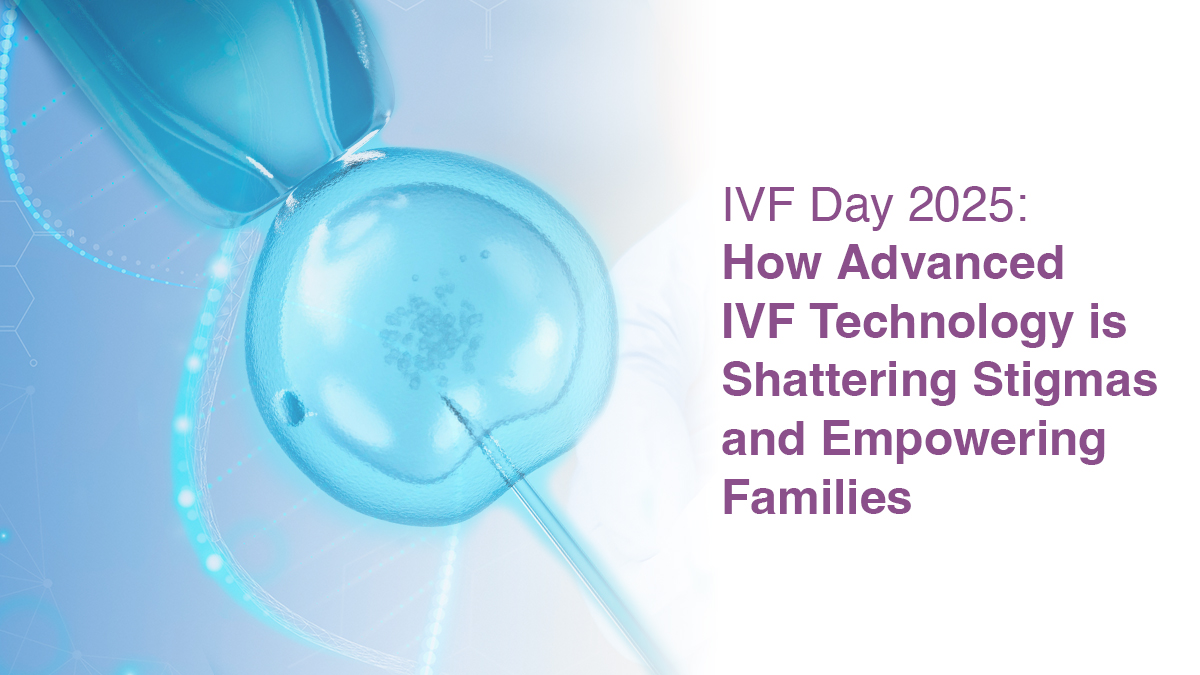







IVF is not widely accepted in Indian society, due to the several stigmas attached to it. Many think that IVF babies are not natural, while some think the process is too risky. However, IVF is not risky, and the babies are completely natural and healthy. IVF is a scientific solution for those who are unable to conceive naturally.
World IVF Day is proof that reproduction through ART (Assisted Reproductive Techniques) is possible and natural with a little help from science and technology. This day was first celebrated in 1978 when the first IVF baby was born. On this special occasion, Oasis Fertility will bust some myths about in-vitro fertilization that people have believed for a long time.
- IVF Babies Aren’t “Natural” Babies
One of the most common misconceptions people have is that IVF babies are not natural as they are made in a test tube in a lab
IVF babies are same like the babies conceived naturally. They are biological children just like the ones conceived naturally. The only difference lies in the method of conception, where an egg is fertilized outside the body before being implanted into the uterus. Their genetic makeup, DNA, and the emotional bond they share with their parents will be the same as naturally conceived baby.
IVF has made parenthood possible for countless couples who face challenges in starting a family.
- IVF Always Results in Twins or Multiples
There is a chance of having twins or more, but not a lot for couples opting for IVF. In the US and other countries, recent studies show twin delivery rates after IVF range from about 11% to 18%, depending on the method and country.
The advancements in medical practices have reduced this risk. Today, many fertility clinics adopt a single embryo transfer (SET) approach to avoid twins or triplets and the complications that they might bring.
- IVF Is Only for Older Women
This is another myth that people have: that IVF is for older women who are suffering from age-related fertility issues. However, IVF is recommended by fertility experts depending on the concern and not by age.
IVF is also a viable and effective solution for younger women experiencing fertility challenges due to reasons like low AMH (anti-Müllerian hormone levels), blocked fallopian tubes, and PCOS.
For younger couples dealing with fertility issues, IVF can be a boon. IVF allows them to overcome fertility issues and gives them a chance to start a family when they had lost all hope.
- IVF Is Too Expensive and Not Worth It
While we evaluated this myth, it is expensive, but worth it. Yes, IVF becomes expensive depending on the medications and the number of cycles the couple requires. Think of it as an investment and not an expense. The emotional reward of becoming a parent is way above how much you are spending on it.
For many, IVF could be the only hope to have a family, and it makes the investment worth it. Additionally, as IVF has become more common, the availability of financing options and payment plans has grown.
This makes IVF more accessible than ever before. Several insurance companies now offer coverage for IVF treatments, which makes the process even more affordable. World IVF Day is a reminder that this life-changing procedure is within reach for more couples today than ever before.
- IVF Success Rates Are Low
For those considering IVF, one common concern is the belief that IVF success rates are low.
However, this belief is outdated, and now things have changed. Over the years, IVF success rates have improved drastically with advanced medical research, sperm sorting techniques, embryo selection techniques, and genetic screening options like PGT-A. With better understanding and technology, IVF is a reliable and effective option for many couples struggling with infertility.
It is important to note that success rates depend on several factors like age, overall health, and specific fertility issues; the general trend has only seen improvement. IVF has helped countless couples to conceive and build their families, and the numbers have been rising.
- IVF Is the Solution to All Fertility Issues
IVF is a powerful solution for couples facing challenges in conceiving naturally. It is important to remember that success with IVF is influenced by various factors such as age, egg and sperm quality, and specific medical conditions, which is why a personalized approach is essential.
And IVF is not the only solution to all your fertility problems, there are other fertility treatments like OITI, IUI, CAPA -IVM based on the reason for infertility.
- IVF is Woman’s Treatment
Another common misconception many have is that IVF is only meant for women. This comes from the myth that only women have fertility problems. The truth is, infertility affects both men and women almost equally, and male factor infertility contributes to nearly 40–50% of infertility cases.
IVF is not just a “woman’s treatment.” IVF helps men with low sperm count, poor motility, or abnormal sperm morphology become fathers with advanced techniques like ICSI (Intracytoplasmic Sperm Injection) and MicroTESE (Microscopic Testicular Sperm Extraction).
IVF is an advanced treatment process that involves both partners.
Final Thoughts
As we celebrate world IVF Day and reflect on how far reproductive technology has come, it’s important to understand the truth behind IVF. Despite the myths and misconceptions that still surround IVF, the reality is clear: IVF is a proven, safe, and scientific method for conception.
At Oasis Fertility, we understand that every couple’s journey is unique. That’s why our IVF treatment plans are personalized to fit the specific needs of the aspiring couples.
Whether it’s hormone therapy to stimulate egg production or genetic screening of embryos to ensure the best possible outcome, we focus on customizing every aspect of the treatment. IVF is an incredibly effective solution, and with our expertise and a well-designed treatment plan, we aim to maximize success rates and support you every step of the way.


fill up the form to get a
Free Consultation
Avail 0% interest on EMI
All Procedures | No Upper Limit
Related posts