





Millions of men worldwide suffer from infertility, which can be caused by several causes, such as lifestyle, hormonal, and genetic problems. Sperm cramps can be one of the causes. For most men, it’s short-lived, but when persistent, it can signal an underlying issue.
They are connected to the reproductive system issues such as obstructions, inflammation, or contractions of the seminal duct muscles. In this article, we will understand about the link between severe cramps and male infertility, despite its lack of recognition in medical literature, it may lead to new diagnostic and therapeutic approaches and provide insight into a neglected area of male reproductive health.
What Are Sperm Cramps?
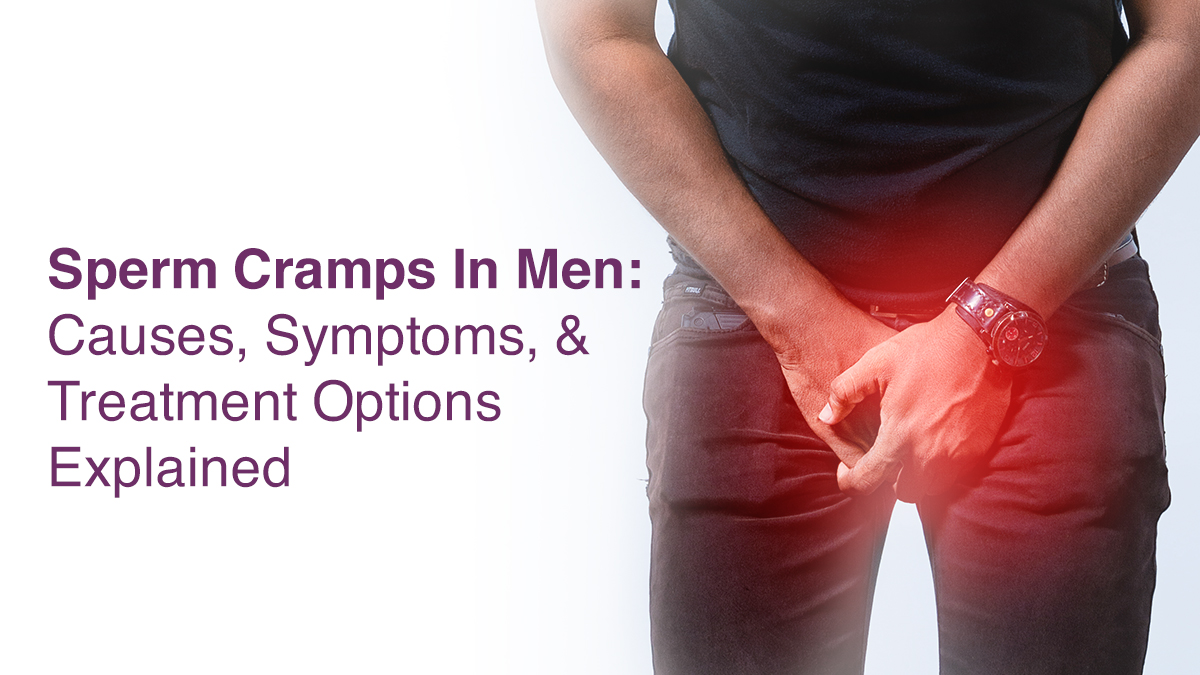
It goes without saying that each person’s body reacts differently to climax and sexual excitement. Some people feel pain and discomfort in their testicles, while others feel a sense of release and pleasure. According to medical terminology, “sperm cramps” refers to a condition known as testicular pain or discomfort, which typically happens after ejaculation. It is also called epididymal hypertension, blue balls, or post-ejaculatory pain that describe discomfort in the testicles, pelvis, or lower abdomen during or after ejaculation.
Causes of Sperm Cramps
Understanding sperm cramps can be aided by knowledge of male anatomy, including the testes, epididymis, and vas deferens. Understanding how these elements interact can help explain why sperm cramps occur. Several things can lead to sperm cramping, such as:
Pelvic Muscle Stress
Ejaculation involves the pelvic floor muscles. Sperm cramps are caused by tense or spasming muscles, which cause pain or discomfort in your intimate region as you ejaculate. This should not be confused with male pelvic cramps that are connected to conditions like prostatitis, muscle strain, or other factors associated to sperm buildup.
Hormonal Changes
Imbalances in hormones, such as variations in testosterone, may affect the development and production of sperm. Sperm cramping may result from the aforementioned causes.
Infections
Male reproductive organs are affected by inflammatory conditions such as orchitis (testicular inflammation) and epididymitis (epididymis inflammation). In turn, owing to the pain and swelling, they may cause sperm cramps.
Varicocele
Varicocele disorder is characterized by abnormal dilatation of the veins draining the testicle. This condition impair fertility and cause sperm cramps.
Prostate Issues
Prostate issues, including inflammation or enlargement, maybe the cause of sperm cramps. This is due to the proximity of the sperm canals to the prostate gland. Sperm cramping can result from any problem with the prostate because of its near proximity to these ducts.
Sexual Activity
Prolonged or intense intercourse may cause cramping in the sperm. This is because increased activity might wear down the muscles used for ejaculation.
Medications
Sperm cramping is a possible adverse effect of some drugs, such as blood pressure and antidepressants.
Dehydration
When you are dehydrated, it increases the chances of muscle cramps – including the pelvic area.
Inguinal hernia
It is a bulge in the groin area that can cause testicular or pelvic pain.
Hydrocele
It is fluid build-up around the testicle that creates heaviness and discomfort.
Ejaculatory duct obstruction
There is a blockage in the ducts that can cause painful ejaculation and cramps.
Symptoms of Sperm Cramps
Each person may experience sperm cramping differently. While some men might feel a little uncomfortable, others might feel excruciating pain. Some common symptoms of sperm cramps are:
Genital pain or discomfort during or after ejaculation
A sperm cramp’s primary symptom is genital pain or discomfort immediately following ejaculation. This can be a sudden pain, mild soreness, or overall discomfort in the penis, testicles, or surrounding areas. Finding the cause and receiving the appropriate treatment can be facilitated by seeing the right physician.
Testicular or epididymal swelling or soreness
Sperm cramping can occasionally be accompanied by testicular oedema or discomfort. This can signal to an underlying infectious or inflammatory disease that is causing sperm cramping.
Decreased sexual pleasure or desire:
Sex can be uncomfortable when you have sperm cramps, which might make you less sexually inclined. Your general wellbeing, sexual life, and mental health is affected in such cases. It’s critical to see a doctor to manage this problem and receive proper therapy.
Your relationships suffers and your self-confidence is also under risk. To address the mental and physical components of this illness and enhance your general well-being, it’s critical to seek medical assistance.
Here are some other symptoms that are reported which is related to sperm cramps:
- Groin discomfort extending from testicles to thighs.
- Radiating pain into the lower back.
- Difficulty sitting or standing for long periods.
- Burning sensation while urinating or ejaculating.
- Nausea or fever if infection is present.
Diagnosis of Sperm Cramps
A study of the patient’s medical history and symptom assessment is usually used to diagnose sperm cramping. To rule out problems related to the testicles or epididymal, a physical examination is frequently performed.
A fertility specialist may suggest diagnostic procedures like ultrasound, MRI, or CT scans to assess the internal structures of the testicles based on the severity of the symptoms.
Fortunately, sperm cramps can be treated with both natural and medicinal remedies. Knowing these options can assist in managing symptoms efficiently and give those who are impacted by this ailment hope.
Other diagnostic tests also include:
- Urine analysis & culture to rule out urinary tract infections.
- Semen analysis & culture checks for infection and sperm health.
- STI screening to detect infections such as chlamydia or gonorrhoea.
- Blood tests to identify signs of inflammation.
How to Prevent Sperm Cramps
While not all cases are preventable, these steps can reduce discomfort:
- Stay well-hydrated.
- Ejaculate regularly to avoid sperm build-up.
- Wear supportive, comfortable underwear.
- Avoid heavy lifting that strains pelvic muscles.
- Practice safe sex and maintain good hygiene.
- Manage stress with relaxation techniques.
Treatment Options for Sperm Cramps
Here are a few options for sperm cramps treatment:
Observation:
Monitoring a patient’s condition through routine examinations and testing to identify any changes in health.
Pain management:
The goal of pain management is to improve quality of life by reducing suffering using drugs, physical therapy, and psychological support.
Warm Baths/Compresses:
Warm baths or compresses supply heat to ease pain and inflammation, increase circulation, and relax muscles.
Lifestyle Changes:
Modifications to everyday routines, such as stress reduction, exercise, and nutrition, promote general health.
Surgery:
Through incision and intervention, surgery can range from small to extensive procedures, treats or fixes problems.
Physiotherapy:
Targeted physiotherapy releases tight pelvic floor muscles, improve blood flow, and restore muscle balance. This reduces pain linked to sperm cramps.
Yoga & meditation:
Gentle yoga postures and breathing techniques combined with meditation can ease pelvic tension, calm the nervous system, and reduce recurrent cramps.
When to Seek Medical Advice?
It’s best to get medical assistance if your suffering is severe or recurrent. A medical expert should be consulted if there is persistent pain in the lower abdomen or testicles.
Conclusion
If caught early enough, sperm cramps are not a major issue. If you notice observe any symptoms, you can book an appointment at an Oasis Fertility Clinic near you immediately to discuss treatment options as well as learn how to prevent sperm cramps. You can also discuss your concerns on the live chat or call 1800-3001-1000 to avail more details.


fill up the form to get a
Free Consultation
Avail 0% interest on EMI
All Procedures | No Upper Limit
Related posts