





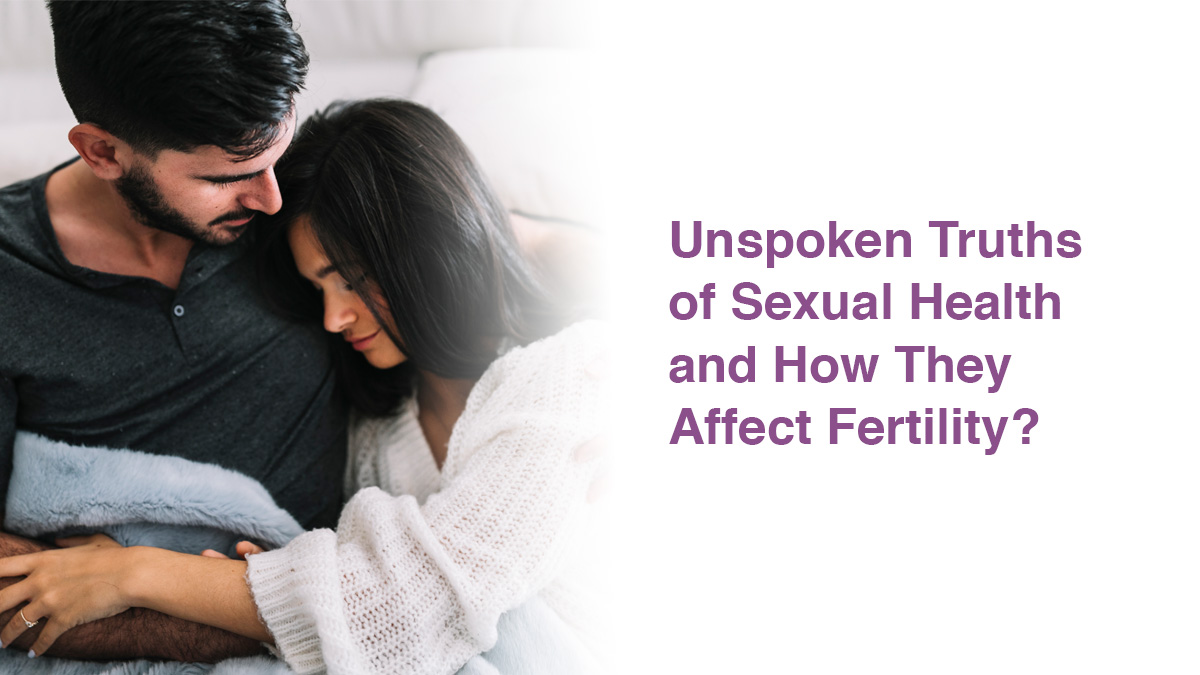
When individuals have an issue with their reproductive health, they refrain from discussing it with their partner, family, or doctor. It is common in a country like India, where there is little to no education about it, and several societal stigmas.
On Sexual Health Awareness Month, breaking this silence by encouraging open discussions, routine testing, and informed choices is a must. It is a reminder that protecting sexual health means protecting fertility too. In this article, we will explore why sexual health awareness is still a major issue in our country and what types of symptoms and infections individuals must not ignore.
Why Sexual Health Is Ignored Even in The Modern Age?
Some stigmas in society don’t go away easily, irrespective of the age we live in. Discussing sexual health is one of them. Sex education is a part of the syllabus, but is it really discussed with concerned specialists? – No.
Did you know, according to a recent study based in Lucknow, found that only 20% of women with infertility sought timely medical help, while approximately 60% initially turned to occultists or ritualistic practices instead of consulting a physician.
As these discussions were never normalized before, people avoid talking about their related issues, skip STI screens, feel awkward about it, follow ritualistic practices, or believe anything they read online. Stigma isolates people from testing and care, which lets infections spread under the radar. This can hamper reproductive health in the long run.
What Is the Connection Between Sexual Health and Fertility?
Having good sexual health improves your chances of fertility. Here’s how:
- Timing: The best chances of conception come when intercourse takes place during the fertile window, which is just a few days before and on the day of ovulation. Tools like ovulation predictor kits, cervical mucus tracking, or basal body temperature charts give more accurate signals about ovulation.
- Lubricants: Not all lubricants are sperm friendly. Many common products, and even saliva, can slow down or damage sperm cells. If lubrication is needed while trying to conceive, choose products that are fertility-safe and made with hydroxyethylcellulose, which do not interfere with sperm movement.
- Genital tract microbiome: A healthy vaginal microbiome is dominated by protective bacteria like lactobacilli that support conception by maintaining an optimal environment for sperm survival and implantation. If this balance shifts, due to infection or repeated antibiotic use, it can reduce the chances of natural conception and also affect IVF outcomes.
Fertility Challenges Women Often Struggle to Address vs Men
Let’s understand what the different fertility challenges are experienced by both men and women:
| Women’s Challenges | Men’s Challenges |
| Pain with sex can indicate endometriosis, pelvic floor issues, or infections that interfere with intercourse and conception. | Varicocele and heat exposure affect sperm count, shape, and motility, which is often overlooked until testing. |
| Ovulation does not always occur on “day 14,” making calendar-only tracking unreliable. | Ejaculatory dysfunction / ED reduces the frequency and timing of intercourse, which lowers the chances of conception. |
| Vaginal dryness due to medication, stress, or hormones causes painful intercourse. | Infrequent intercourse reduces sperm quality, and shorter gaps improve chances. |
| Undiagnosed infections can cause pelvic inflammatory disease, scarring, or tubal blockage. | Lifestyle stressors like alcohol, smoking, obesity, and chronic stress impair semen parameters. |
STDs and Their Impact on Fertility
Chlamydia and gonorrhea remain the most damaging when it comes to fertility.
- In women, they often progress silently, but even without symptoms, they can inflame the uterus and fallopian tubes, leading to pelvic inflammatory disease (PID). Over time, PID creates scar tissue that blocks or narrows the tubes, raising the chances of infertility or ectopic pregnancy.
- In men, the same infections may cause epididymitis (swelling of the tube that carries sperm) or reduce semen quality through inflammation. Other infections like syphilis, trichomoniasis, or HPV don’t always cause direct infertility, but they compromise genital health in ways that increase difficulty in conceiving.
As many of these infections are asymptomatic, routine screening is the safeguard that keeps reproductive health intact.
Stigma Around STD Testing
STDs (Sexually transmitted diseases) are surrounded by various cultural taboos, judgment from peers, or misconceptions that “responsible” people don’t need an STD test. This delay helps infections to spread and cause irreversible reproductive damage. The truth is that STD screening is part of preventive healthcare, no different from a blood pressure check or a blood test.
Hence, it is crucial to have open conversations with your partner and make early treatment possible.
Breaking Myths and Taboos Around Sexual Health
Several myths about sexual health are misleading. Here are a few:
- “Day 14 is the only fertile day.” – Many times, fertile windows shift. Hence, ovulation tracking tools help improve accuracy.
- “Any lube is fine.” – Many are harmful to sperm. Use sperm-friendly products when you are trying to conceive.
- “I’d know if I had an STD.” – Many STD infections are silent, and routine screening is essential.
- “Pelvic pain is normal.” – Persistent pain needs to be evaluated. Conditions like endometriosis and pelvic floor disorders influence fertility.
How Can Fertility Specialists Help?
A specialist helps you understand sexual health and gives the right advice:
- Cycle tracking, hormone tests, semen analysis, and imaging.
- Addressing pain, infections, and sexual-function concerns.
- Partner-based treatment protocols.
- Guidance on intercourse timing and sperm-safe lubricants.
- Assisted reproductive technologies are used when natural pathways are blocked.
Specialists turn scattered issues into structured solutions to reduce delays and uncertainty.
Conclusion
Talking about your sexual health in India is still taboo. This sexual health awareness month is a chance to initiate these conversations openly and not stay hidden behind fear or shame. Every step taken toward better sexual health, whether it is routine screening, treating pain seriously, or choosing fertility-safe products, protects the delicate chain that makes conception possible.
If you’re seeking clarity on your sexual and reproductive health or want to understand how to safeguard fertility, Oasis Fertility is here to help. Call 1800-3001-1000 or connect through live chat for guidance.


fill up the form to get a
Free Consultation
Avail 0% interest on EMI
All Procedures | No Upper Limit
Related posts