





The uterus is one of the most important reproductive organs, and its morphology is pivotal to successful pregnancy and childbirth. While the majority of women have a normal womb, some variations may occur, which may have an impact on the reproductive health of various categories of women. Understanding the types of uterus and their implications can help make informed health decisions for those involved.
Understanding the Anatomy of the Uterus
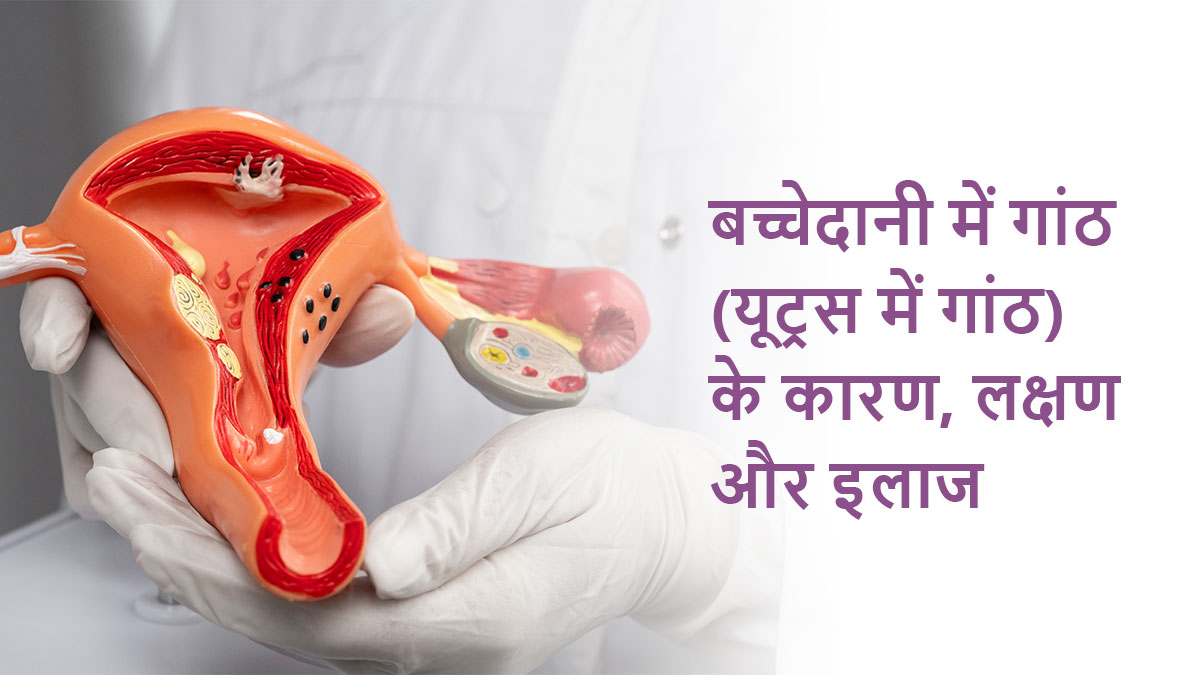
The uterus is a pear-shaped, muscular organ located on the pelvic floor. It consists of three parts: the fundus, the body, and a lower part called the cervix. The shape of the uterus may vary among different people, and this may further affect its function and reproductive potential.
Why Uterine Structure Matters for Reproductive Health
The structure of the uterus may influence conception, implantation, and the outcome of pregnancy. Developmental uterine abnormalities with anatomical deformities may cause infertility, miscarriages, and/or complications in delivery. Correct identification of such structural changes will set off active management in reproductive health.
Different Types of Uterus Structures
1. Normal (Typical) Uterus
A normal uterus is pear-shaped and smooth-walled, permitting implantation and growth of a fetus without hindrance.
2. Bicornuate Uterus
A bicornuate uterus is characterized by its heart-shaped configuration due to the incomplete fusion of the Müllerian ducts, hence leading to the development of two cavities instead of one. The scenario could place the individual at an increased risk of miscarriage.
3.Septate Uterus
A septate uterus has a fibrous band (septum) dividing the uterine cavity. It is one of the most common congenital abnormalities and is associated with recurrent pregnancy loss.
4. Arcuate Uterus
An arcuate uterus is a mild form of a septate uterus where the cavity has a slight indentation. Unlike a septate uterus, it typically does not cause significant reproductive issues.
5. Unicornuate Uterus
A unicornuate uterus develops when only one Müllerian duct forms properly, resulting in a smaller, single-sided uterus. It may be associated with kidney abnormalities.
6. Didelphys Uterus
A didelphys uterus occurs when both Müllerian ducts fail to fuse, creating two separate uterine cavities and sometimes two cervixes. Women with this condition may experience pregnancy challenges.
7. T-Shaped Uterus
A T-shaped uterus has a narrow cavity due to uterine exposure to diethylstilbestrol (DES) in utero. It is associated with implantation failure and miscarriage.
How Uterine Types Are Diagnosed
Doctors diagnose uterine variations using imaging techniques such as ultrasound (2D, 3D), hysterosalpingography (HSG), magnetic resonance imaging (MRI), and hysteroscopy. These tests help assess the shape of the uterus and detect any abnormalities.
Symptoms and Signs of Uterine Abnormalities
While some uterine anomalies are asymptomatic, others may cause:
- Painful or irregular periods
- Recurrent miscarriages
- Difficulty conceiving
- Pelvic pain or discomfort
Impact of Uterine Types on Fertility and Pregnancy
Different types of uterus affect pregnancy outcomes in various ways. A tilted uterus generally does not impact fertility, while a septate uterus increases the risk of miscarriage. A T-shaped uterus may reduce implantation success, and a bicornuate uterus can lead to preterm labour. Understanding these risks is essential for making informed reproductive health decisions.
Treatment and Management Options for Uterine Abnormalities
Treatment depends on the severity of the condition and the specific type of uterine abnormality. Options include surgical correction, such as septoplasty for a septate uterus, which can improve pregnancy outcomes by removing the fibrous tissue dividing the uterus. In cases where hormone imbalances contribute to irregular cycles or implantation difficulties, hormonal therapy can help regulate menstruation and support reproductive health.
For individuals struggling with conception due to structural abnormalities, fertility treatments like IVF provide alternative pathways to pregnancy by bypassing natural implantation challenges. Additionally, monitoring during pregnancy is crucial for those with uterine abnormalities to reduce complications such as miscarriage, preterm labor, or abnormal fetal positioning. In some cases, specialized prenatal care, including frequent ultrasounds and cervical cerclage, may be recommended to support a healthy pregnancy. A personalised treatment plan, guided by a specialist, ensures the best possible outcomes for reproductive health and pregnancy.
When to Consult a Doctor
It is important to consult a doctor if you have trouble conceiving, multiple miscarriages, unexplained pelvic pain, or irregular menstrual cycles. Early diagnosis and treatment can help manage uterine conditions effectively.
Conclusion
Understanding the different types of uterus is essential for reproductive health. If you suspect any abnormality, consulting a healthcare professional is the best course of action. To learn more, visit the Oasis Fertility Clinic near you. You can also phone us at 1800-3001-1000 or use our live chat option for prompt assistance.
FAQs on Types of Uterus
1) Is a T-shaped uterus common?
No, a T-shaped uterus is rare and often linked to prenatal exposure to DES.
2) Can uterine abnormalities cause menstrual issues?
Yes, some conditions, like a tilted uterus or septate uterus, may lead to irregular or painful periods.
3) Is a tilted uterus a type of uterine abnormality?
A tilted uterus is a common variation where the uterus tilts backwards, but it is not considered an abnormality unless it causes symptoms.


fill up the form to get a
Free Consultation
Avail 0% interest on EMI
All Procedures | No Upper Limit
Related posts