





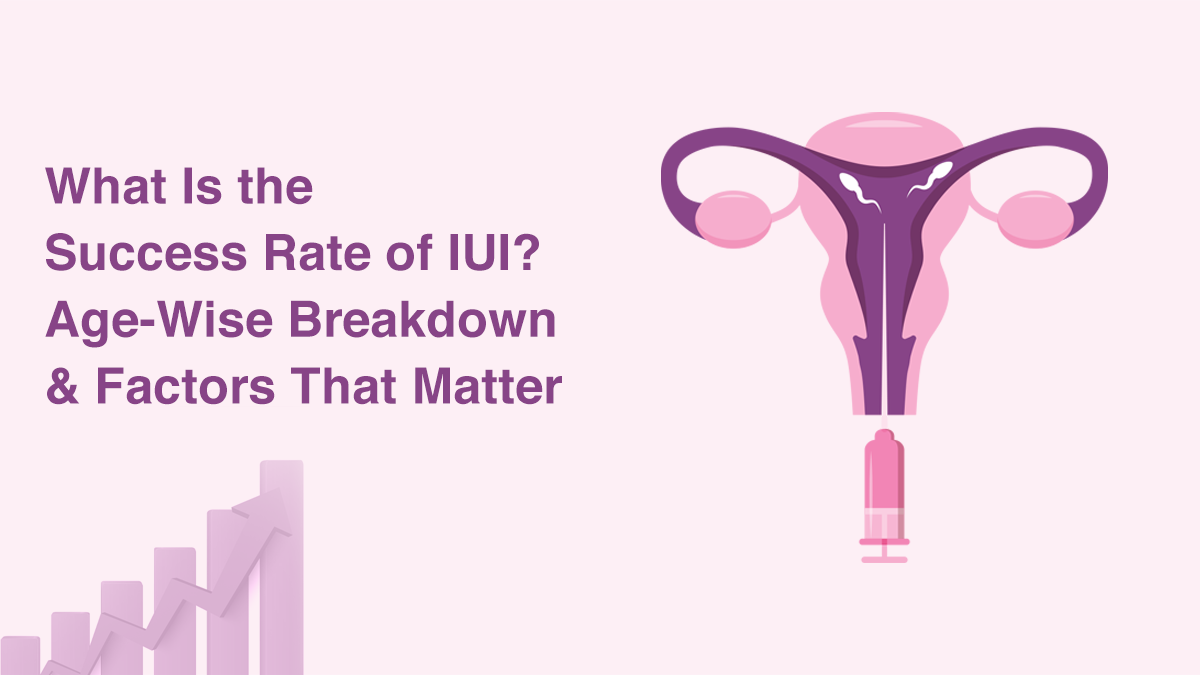
When couples begin having trouble conceiving on their own, fertility treatments like IUI often begin to enter the picture. Understanding the IUI success rates is useful for couples to manage their expectations, especially when it comes to the relationship it has with age.
What Is IUI?
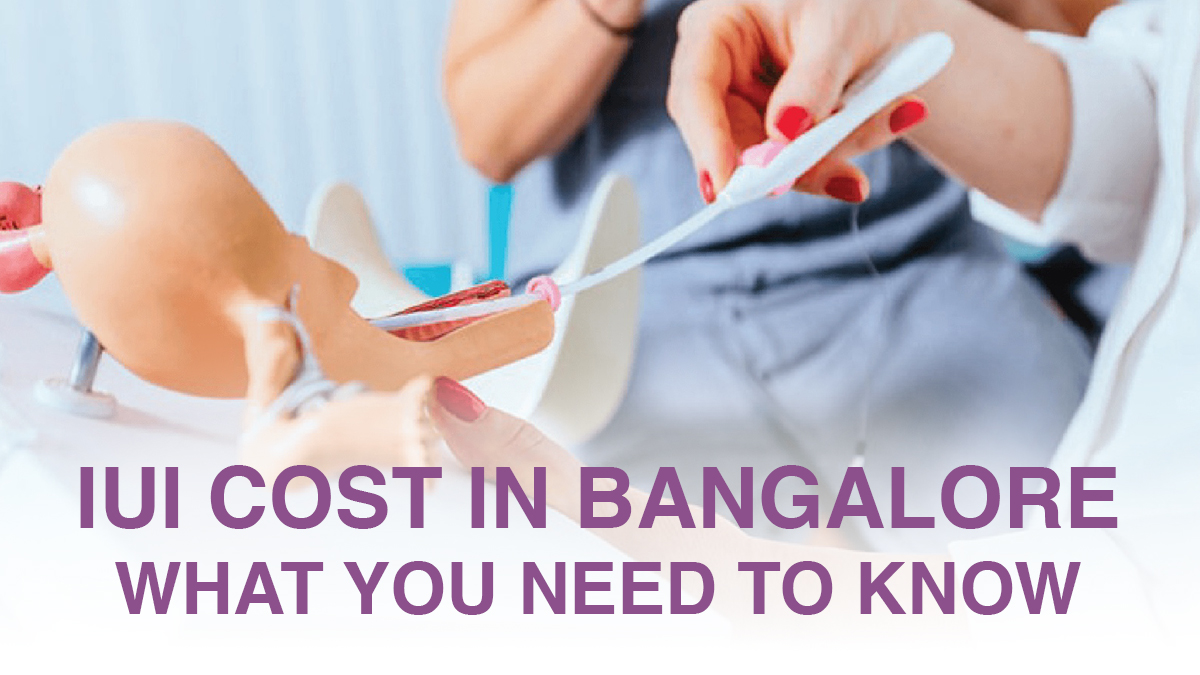
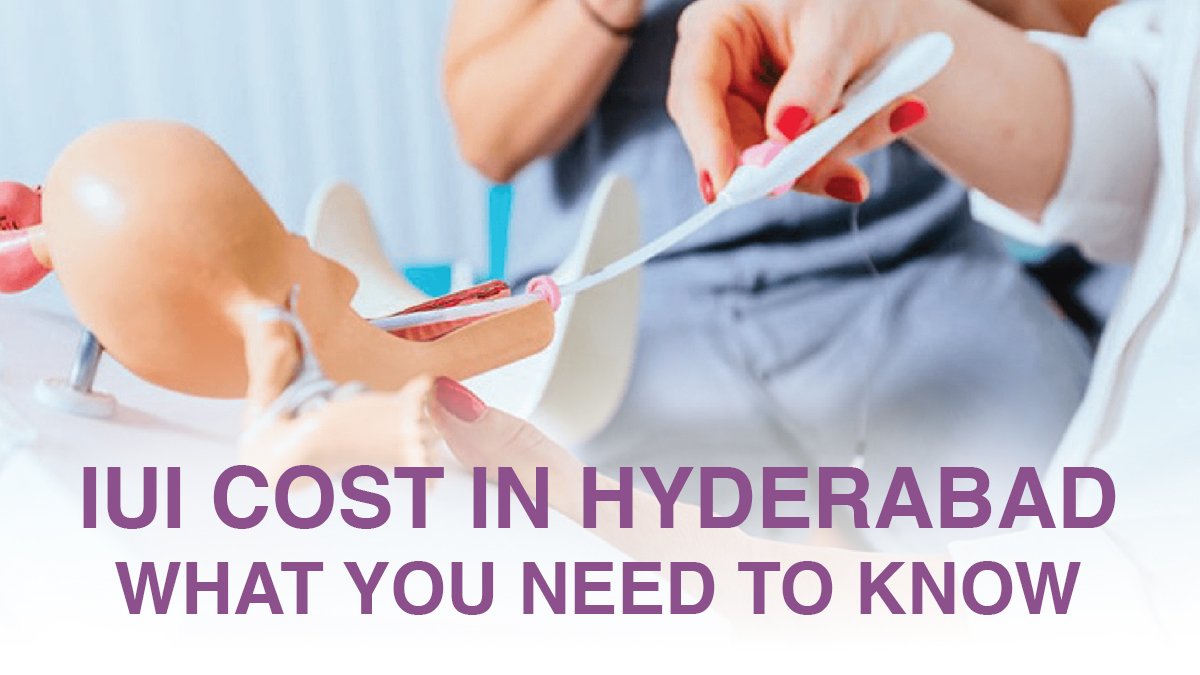
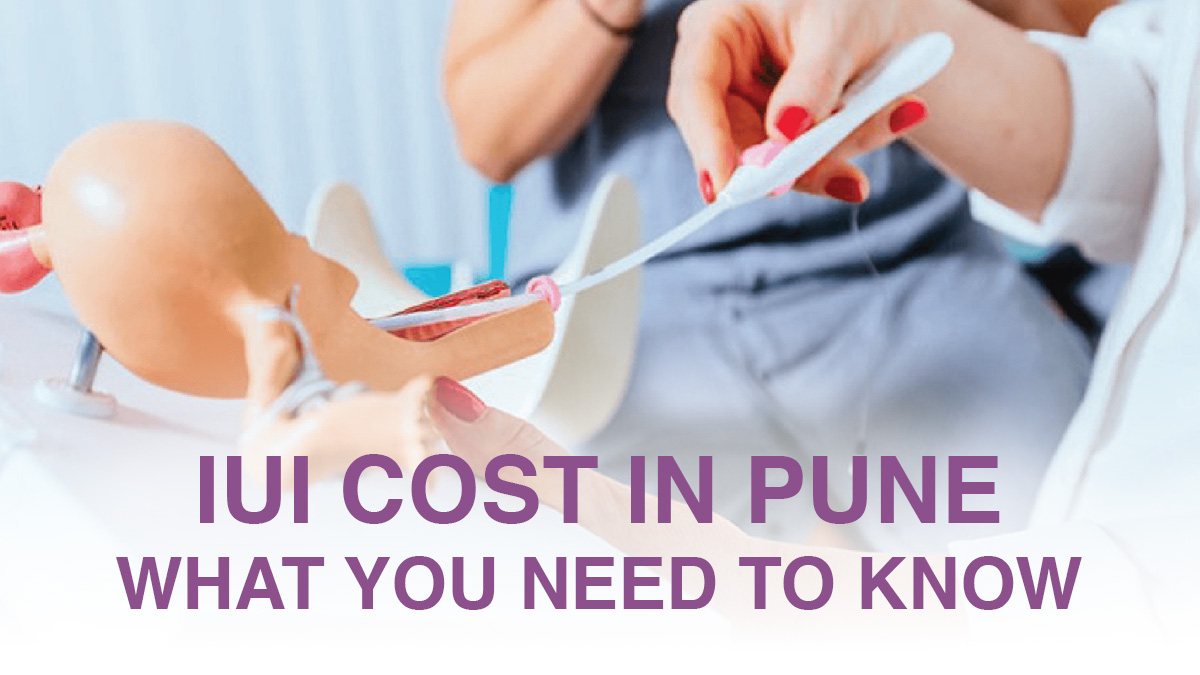
IUI is short for Intrauterine Insemination, which is a type of fertility treatment where specially processed sperm are inserted directly into a woman’s uterus when she is most fertile at the time of ovulation. It gets the density of sperms closer to the egg and, therefore, increases the chance of creating a fertilized egg. IUI is also a less invasive and less expensive option compared to IVF, and it is common as the first step for many couples.
General Success Rate of IUI
The IUI success rate varies depending on many factors, including age, fertility issues, and treatment protocols. On average, the success rate per IUI cycle ranges from about 10% to 20%. This means for every 100 IUI attempts, roughly 10 to 20 results in pregnancy. Success rates can be higher if multiple cycles are done, but it’s important to remember that results vary for everyone.
Age-Wise Breakdown of IUI Success Rates
Age plays a significant role in fertility and the IUI treatment success rate. Here’s a simple breakdown:
Under 30
Women under 30 tend to have the highest IUI success rate by age, often around 15% to 20% per cycle. Their eggs are generally healthier and more numerous, making conception easier.
Age 30–34
In this group, success rates slightly dip but remain fairly good, usually around 12% to 18%. Fertility is still strong, but there may be some gradual decline.
Age 35–37
Here, the success rate drops further to about 10% to 15%. The quantity and quality of eggs start to decrease more noticeably, which can affect the chances of pregnancy.
Age 38–40
Women between 38 and 40 may see an IUI success rate of roughly 8% to 10% per cycle. Fertility challenges increase due to age-related changes in eggs and reproductive health.
Over 40
After 40, the IUI treatment success rate significantly decreases, often falling below 5%. At this stage, many doctors recommend considering other fertility treatments like IVF for better chances.
What Affects the Success of IUI?
Several factors influence whether IUI will work:
- Age of the woman: Younger women generally have higher success rates.
- Sperm quality: Healthy sperm with good motility improves chances.
- Timing of the procedure: IUI must be done precisely during ovulation.
- Use of fertility medications: Drugs can stimulate better development of egg to increase success.
- Underlying fertility issues: Problems like blocked fallopian tubes or severe male infertility reduce IUI success.
- Lifestyle factors: Smoking, obesity, and stress can lower the chances of pregnancy.
Common Reasons IUI Might Fail
Despite best efforts, IUI may not always succeed. Some common reasons include:
- Poor egg quality or low ovarian reserve.
- Fertilization problems due to sperm issues.
- Incorrect timing or technical problems during insemination.
- Unexplained infertility factors.
- Issues with the uterus or fallopian tubes that IUI cannot fix.
Who Should Avoid IUI?
IUI is not suitable for everyone. Women with blocked or damaged fallopian tubes, severe endometriosis, or very poor sperm quality are usually advised to skip IUI and consider other treatments like IVF. Also, if a woman’s age is over 40 with declining fertility, doctors may suggest more advanced options rather than repeated IUI cycles.
Conclusion
The IUI success rate depends mainly on age and other health factors. Younger women generally have better outcomes, but many couples benefit from IUI as a simple, less invasive fertility option. Visit the Oasis Fertility Clinic near you to get a clear understanding of your chances of undergoing a successful IUI. You can also call us at 1800-3001-1000 or use our live chat option for immediate assistance. Knowing your age group’s expected success and what affects treatment can help you make informed decisions.
FAQs
How many IUI cycles should I try before moving to IVF?
Most specialists suggest trying 3 to 6 IUI cycles before considering IVF, depending on your age and fertility issues.
Can IUI work on the first attempt?
Yes, many couples conceive on their first IUI cycle, but success is not guaranteed and often improves with multiple cycles.
Does using fertility drugs increase IUI success?
Fertility drugs can improve development of egg and ovulation and increase the chance of pregnancy, which may boost the IUI treatment success rate.


fill up the form to get a
Free Consultation
Avail 0% interest on EMI
All Procedures | No Upper Limit
Related posts