





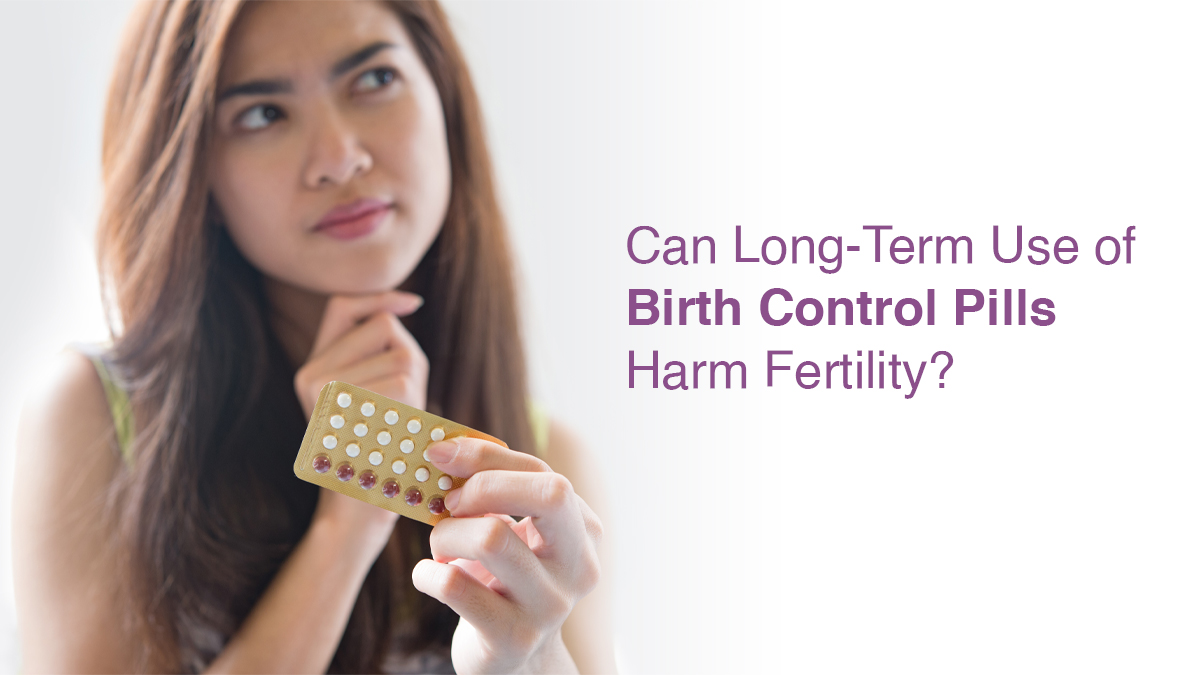
Birth control pills are used for many other reasons apart from just avoiding a pregnancy. While they are 99% effective when taken as prescribed regularly, the question that is often asked is, about their long-term effects on fertility. This article aims to explore whether prolonged use of birth control pills can impact fertility and what you should know when planning to conceive.
What Are Birth Control Pills?
Birth control pills are oral medications taken every day to prevent pregnancy by blocking conception. They are also called ‘the pill’ or ‘oral contraception’. They contain synthetic hormones, usually a combination of estrogen and progestin, that regulate the menstrual cycle and prevent ovulation. Some doctors also prescribe a progestin pill for people with certain medical conditions.
How Do Birth Control Pills Work?
Birth control pills primarily work by stopping ovulation, meaning no egg is released for fertilisation. It makes the cervical mucus thicker to make it difficult for the sperm to reach the ovum, and alters the uterine lining to reduce the chances of implantation.
Common Myths About Birth Control and Fertility
There are several myths surrounding the long-term side effects of birth control pills.
- One common misconception is that taking the pill for many years can make you infertile. In reality, fertility typically returns after stopping the pill, though it may take some time for menstrual cycles to normalize.
- Another myth is that older women who have used the pill long-term will have difficulty conceiving, which is not supported by research.
What Happens When You Stop Taking Birth Control Pills?
After you discontinue the birth control pill, the body will then gradually return to its natural hormonal cycle. For most people, ovulation may occur within a few weeks, although some may experience irregular periods initially. This is normal and usually not a cause for concern.
Impact of Long-Term Use on Fertility
A study has shown that long-term use of birth control pills does not show any significant permanent harm to fertility. While the body may take a short period to adjust after stopping the pill, there is no evidence that extended use reduces your ability to conceive in the long run. The long-term effects of birth control pills are mostly temporary and resolve once the medication is discontinued.
Temporary vs. Permanent Effects
The temporary effects of birth control pills on fertility include a short delay in the return of normal ovulation and menstrual cycles. Permanent effects are extremely rare and usually related to other underlying reproductive health issues, not the pill itself. Most people experience a full return to fertility after a few months.
Factors That May Affect Fertility After Stopping Birth Control
Several factors that may affect how quickly fertility returns after stopping birth control pills:
- Age: Women’s fertility naturally declines with age.
- Underlying health conditions: If you have any conditions like polycystic ovary syndrome (PCOS) or endometriosis it can affect your fertility.
- Lifestyle factors: Weight, diet, exercise, stress, and smoking can impact fertility.
- Previous menstrual irregularities: Women who had irregular periods before starting the pill may take longer to resume normal cycles.
When to Seek Medical Advice
If your periods do not return within three months of stopping birth control pills, or if you experience unusual symptoms like severe pain or irregular bleeding, consult a healthcare provider. Fertility specialists can offer personalised guidance and investigate any underlying conditions that may affect conception.
Tips for Boosting Fertility Post-Birth Control
- Healthy weight: If you have a high body fat content, being over- or underweight may affect the ovulation period.
- Eat a balanced diet: Focus on nutrient-rich foods that support reproductive health.
- Exercise regularly: Moderate exercise can help maintain hormonal balance.
- Avoid smoking and excessive alcohol: It can negatively impact fertility.
- Monitor your cycle: Tracking ovulation can help you identify your most fertile days.
- Stress management: If you worry a lot, it may lead to higher stress levels, which can disturb your hormone regulation and ovulation.
Conclusion
Long-term use of birth control pills may have some temporary effects after you stop, but it does not cause permanent infertility. A majority of people ovulate a week after getting off the pill and are back to their fertility shortly after discontinuing the pill. For those planning to conceive, understanding your body, monitoring your cycles, and seeking professional advice when needed are key steps.
Oasis Fertility provides expert reproductive health support and guidance. You can reach their team at 1800 3001 1000 for booking a personalised consultation.
FAQs
How long does it take to get pregnant after stopping birth control pills?
You can conceive within a few months after stopping the pill, though some may experience a short delay in ovulation after the first month.
Do birth control pills cause infertility if used for many years?
No, there is no such research that shows that long-term use of birth control pills can result in permanent infertility.
Can taking breaks from the pill reduce its impact on fertility?
There is no such study that proves that taking breaks from the pill will have a positive or negative impact on fertility; there are studies that show any effect is temporary and reversible.
Should I do a fertility test after stopping long-term birth control use?
Routine fertility testing is usually not required unless you have difficulty conceiving after several months or have other reproductive health concerns.


fill up the form to get a
Free Consultation
Avail 0% interest on EMI
All Procedures | No Upper Limit
Related posts