





When you talk about women’s fertility, you hear about eggs, hormones, and cycles. However, there are smaller structures that hold those eggs, and they are called follicles. These tiny sacs decide whether ovulation happens, how many eggs are available, and how your body responds to fertility treatments.
If you’ve ever wondered about follicles in the ovary, meaning, how many follicles are normal in each ovary, or what happens when you have multiple follicles in the ovary. In that case, this blog can help you find the answers.
What Are Ovarian Follicles?
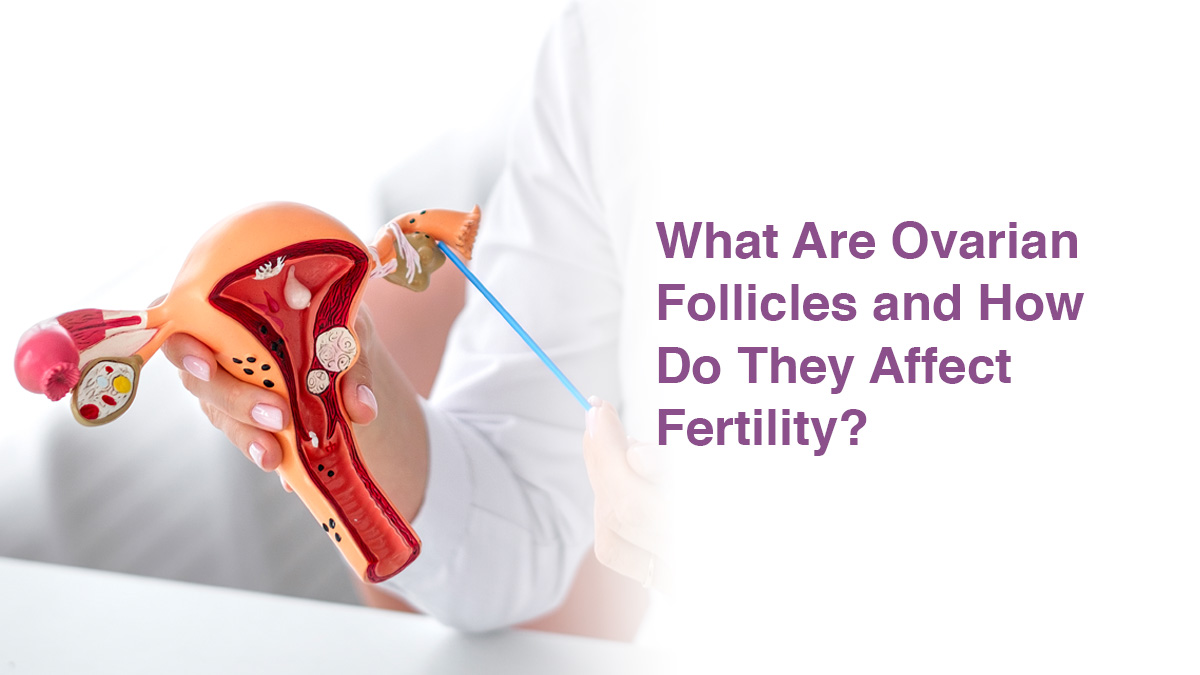
Ovarian follicles are tiny fluid-filled sacs inside the ovaries that carry immature eggs. These follicles are not eggs themselves but the protective homes where eggs grow. During each menstrual cycle, a few follicles start to grow, though only one usually completes the journey and releases its egg during ovulation. This cycle repeats until menopause.
What is the Function of Follicles?
The main function of a follicle is to nurture and release an egg. But it is more than that. Follicles also produce hormones like estrogen and progesterone, which prepare your uterine lining for pregnancy. So, follicles are not just egg-carriers; they are central players in regulating fertility hormones.
Stages and Types of Follicle Development
There are a few stages through which the follicle develops. Only a small fraction of them reach ovulation. Here’s how the process unfolds:
- Primordial Stage – These are the smallest, dormant follicles present in your ovaries from birth. Each contains an immature egg, and they can remain inactive for years.
- Primary Stage – A group of primordial follicles is “selected” in every cycle. They grow slowly, and the cells surrounding the egg become more organised.
- Secondary Stage – The follicle develops multiple layers of support cells and starts producing hormones like estrogen. The egg inside also grows larger.
- Antral Stage – A fluid-filled cavity (antrum) is formed inside the follicle. At this stage, follicles can be counted on ultrasound, giving doctors an idea of ovarian reserve.
- Dominant Follicle Selection – Out of several antral follicles, usually one becomes the dominant follicle. This one grows faster and suppresses the others.
- Pre-Ovulatory (Graafian) Stage – The dominant follicle reaches full maturity, around 18–25 mm in size, and prepares to release its egg.
- Ovulation – The mature egg is released from the follicle into the fallopian tube, and it is ready for fertilization. The leftover follicle transforms into the corpus luteum, which produces hormones to support early pregnancy.
Dominant Follicle and Ovulation
Among the growing follicles, one becomes the “dominant” follicle. This follicle matures fully, releases an egg during ovulation, and then forms the corpus luteum, which supports early pregnancy if conception happens. Without a dominant follicle, natural ovulation would not occur.
Follicle Count and Fertility
How Is Follicle Count Related to Ovarian Reserve?
Your ovaries do not produce new eggs over time. The number of follicles you have is your ovarian reserve, or egg supply. A higher number of healthy follicles means the chances of pregnancy are higher. A lower count means fewer eggs are available, which can affect natural conception and assisted treatments.
AMH Test and Antral Follicle Count (AFC)
Doctors often recommend two key tests:
- The AMH (Anti-Müllerian Hormone) test measures the hormone released by small follicles, which gives a rough idea of egg reserve.
- Antral Follicle Count (AFC) is done by ultrasound by counting visible antral follicles in each ovary.
For women in their 20s or early 30s, about 6–10 antral follicles per ovary is often considered a healthy number.
Follicles in Assisted Reproductive Technology (ART)
Monitoring Follicles in IVF/IUI Cycles
In IVF or IUI, doctors closely track follicle growth through ultrasound scans and hormone tests. This helps predict the right time for egg retrieval or insemination. Follicle size and maturity are important indicators of whether treatment is on track.
Stimulating Multiple Follicles with Medication
In natural cycles, only one follicle matures. But in ART cycles, fertility medicines stimulate multiple follicles in the ovary so more eggs can be retrieved. This increases the chance of creating healthy embryos and improves treatment success rates.
What are the Common Follicle-Related Conditions?
Polycystic Ovary Syndrome (PCOS) and Follicle Imbalance
Women with PCOS often have multiple small follicles that don’t mature properly. These follicles line up on ultrasound like a “string of pearls,” but ovulation may not occur regularly. This imbalance affects fertility and requires medical management.
Poor Ovarian Reserve and Low Follicle Count
Some women have very few follicles due to age or medical conditions. This is called poor ovarian reserve. It can make natural conception difficult, though treatments like IVF with stimulation protocols still offer a chance.
Premature Ovarian Insufficiency (POI)
In some women, the ovaries stop working earlier than expected, sometimes even before age 40. This condition is called premature ovarian insufficiency. It leads to very low follicle numbers and irregular or absent periods. Unlike natural menopause, POI can sometimes be unpredictable, with occasional follicle activity.
How To Develop Healthy Ovarian Follicles?
Several everyday habits can make a difference to follicle growth and overall fertility health:
- Include lean proteins, whole grains, fruits, vegetables, and healthy fats like omega-3s to support hormone balance.
- Vitamins such as folate, vitamin D, and antioxidants play a role in egg and follicle health.
- Moderate physical activity improves blood circulation to the reproductive organs and helps maintain a healthy weight.
- Both underweight and overweight conditions can disrupt normal ovulation cycles.
- Chronic stress raises cortisol levels, which can interfere with follicle maturation and hormone production.
- Avoid smoking and excess alcohol, as both habits are linked to poorer ovarian reserve and faster follicle decline.
When to Seek Medical Advice?
If your cycles are irregular or if you have been trying to conceive for over a year without success, it’s time to get your follicle health checked. Conditions like PCOS or low ovarian reserve are best managed when identified early. Fertility specialists use tools like AFC and AMH to guide treatment plans.
Conclusion
Once you get clarity about how follicles grow and function, it helps you understand the bigger picture of fertility. Regular check-ups detect issues early, like irregular ovulation, reduced reserve, or hormonal imbalance, which can be managed more effectively. If you have concerns about cycle patterns, test results, or conditions such as PCOS, seeking professional guidance ensures you don’t lose valuable time in planning for pregnancy.
At Oasis Fertility, advanced fertility evaluations and treatments can help you plan with confidence. To speak with our specialists, call 1800-3001-1000 or use our live chat for immediate assistance.


fill up the form to get a
Free Consultation
Avail 0% interest on EMI
All Procedures | No Upper Limit
Frequently Asked Questions
How many follicles are normal in the ovaries?
What is the difference between antral follicles and dominant follicles?
Can lifestyle changes improve follicle health and ovarian reserve?
Related posts