





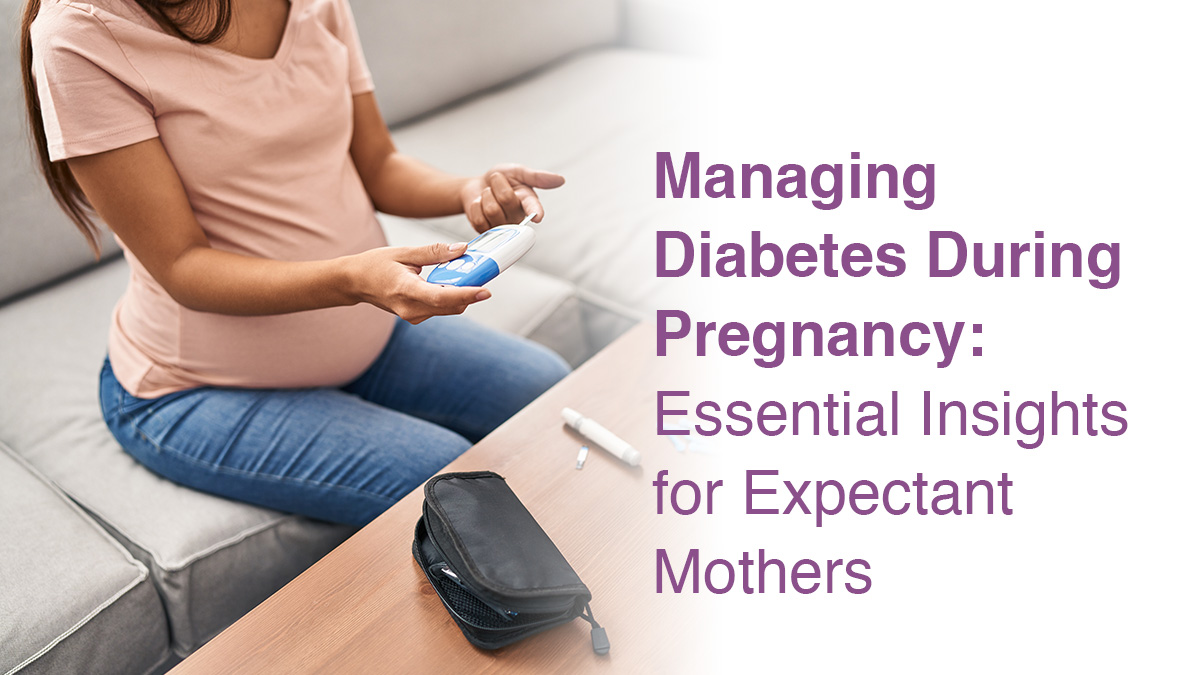
Regardless of it being a joyous adventure, preparing for a baby requires a great deal of extra preparations in order to guarantee a safe and healthy experience if you have diabetes. Whether you are a woman with type 1, type 2, or gestational diabetes, finding out how diabetes and pregnancy impact each other is critical to having a successful experience for both the mom and baby.
Women looking to get pregnant often ask, “Can a woman with type 2 diabetes have a healthy pregnancy?” The answer is yes, with proper planning and management. In this article, we’ll go through the ways to control your diabetes before you conceive and why it’s important.
Why Pre-Pregnancy Planning Is Crucial for Women with Diabetes?
Getting pregnant is a major milestone, and pre-pregnancy planning allows time to prepare your body for pregnancy. For women with diabetes, this planning is even more important. High blood sugars before and early in pregnancy increase the possibility of complications and can have serious consequences on pregnancy outcomes, including birth defects, miscarriage, and preterm labour.
If you’re able to manage your diabetes adequately prior to conception, you will have a reduced risk of complications and improve your likelihood of a healthy pregnancy. Pregnancy is more than just blood sugar. It is also a woman’s overall health.
Types of Diabetes and Their Impact on Pregnancy
There are three main types of diabetes that can affect pregnancy:
- Type 1 diabetes: This is when the body produces little or no insulin. Women with type 1 need insulin throughout pregnancy.
- Type 2 diabetes: This form often develops later in life and is usually linked to insulin resistance. If you’re asking, can a woman with type 2 diabetes get pregnant? The answer is yes—with good control and medical guidance.
- Gestational diabetes: This type develops during pregnancy and usually goes away afterward. However, it raises the chance of developing type 2 diabetes later on.
Each type requires different management strategies, but all need close monitoring to ensure a healthy pregnancy.
Health Risks of Uncontrolled Diabetes During Pregnancy
Uncontrolled diabetes during pregnancy can lead to:
- Miscarriage or stillbirth
- Birth defects, especially of the brain, heart, and spine
- Preterm labour or very large babies (macrosomia)
- High blood pressure or preeclampsia in the mother
- Low blood sugar in the newborn post delivery
This is why blood sugar control is not just important—it’s essential.
Importance of Blood Sugar Control Before Conception
Maintaining your blood sugar levels in the target range before conception helps reduce the risk of complications. The first few weeks of pregnancy are crucial for your baby’s development—often before you even realize you’re pregnant.
Doctors usually recommend keeping your HbA1c levels (a measure of your average blood sugar over 3 months) within a safe range. This enhances the chances of a healthy pregnancy and a healthy baby.
Preconception Health Checkups and Screenings
Before getting pregnant, schedule a preconception visit with your doctor. During this visit, your healthcare provider will:
- Check your HbA1c levels
- Review your current medications
- Assess for diabetes-related complications like eye, kidney, or heart problems
- Recommend supplements like folic acid
It’s also a good time to discuss fertility options, such as IVF treatment or IUI treatment if you’re having trouble conceiving.
Creating a Diabetes Management Plan with Your Doctor
Every woman’s body is different. That’s why it’s essential to create a personalized diabetes plan with your healthcare provider. This plan may include:
- Monitoring your blood sugar more frequently
- Changing your insulin dosage
- Managing stress and sleep
- Working with a dietitian to design a pregnancy-safe meal plan
Your doctor may also involve an endocrinologist or maternal-fetal medicine specialist for extra care.
Medications and Insulin Adjustments Before Pregnancy
Some diabetes medications are not safe during pregnancy. Your doctor may switch you to insulin or another safe alternative. It’s important not to make these changes on your own. Always consult your healthcare provider.
If you’re already on insulin, you may need to adjust your dosage as your body’s needs will change. Regular monitoring and adjustments help avoid high or low blood sugar events.
Nutritional Tips for Better Blood Sugar Control
What you eat plays a big role in managing diabetes during pregnancy. Focus on:
- Eating small, frequent meals
- Balancing carbs with proteins and healthy fats
- Choosing complex carbs (like whole grains) over refined ones
- Including plenty of vegetables and fibre
Avoid sugary drinks and processed snacks. A nutritionist can help tailor a meal plan that keeps your blood sugar stable.
Exercise and Lifestyle Modifications
Physical activity improves insulin sensitivity and helps manage weight. Aim for at least 30 minutes of moderate activity most days, such as walking, swimming, or prenatal yoga.
Other lifestyle changes include:
- Quitting smoking
- Limiting alcohol intake
- Getting regular sleep
These changes support overall well-being and better sugar control.
Monitoring Blood Glucose Levels Effectively
Regular blood glucose checks help you see how your body reacts to food, activity, and medication. During pregnancy, most women with diabetes need to check their levels multiple times a day.
Use a glucose meter or continuous glucose monitor (CGM) as recommended by your doctor. Maintaining a log of your readings assists your healthcare team adjust your plan as needed.
Emotional Well-being and Support Systems
Dealing with diabetes and pregnancy can be emotionally taxing. Hormonal changes, blood sugar swings, and anxiety about the baby can take a toll.
Don’t hesitate to talk to a counsellor or join a support group. Connecting with other people who have undergone similar experiences can offer comfort and practical tips.
When to Start Planning Pregnancy?
Ideally, you should start planning at least 3 to 6 months before attempting to conceive. This gives you enough time to get your blood sugar under control, adjust medications, and make necessary lifestyle changes.
If you’re considering assisted reproductive options like IVF treatment or IUI treatment, it’s even more important to be in good health beforehand for the best chance of success.
Conclusion
Yes, a woman with type 2 diabetes can get pregnant and have a healthy baby. But it takes planning, discipline, and support. Managing your blood sugar before pregnancy helps ensure a safer and healthier journey for both you and your baby. Head over to the Oasis Fertility Clinic near you to get a clear understanding of how to manage your diabetes before you get pregnant. You can also call us at 1800-3001-1000 or use our live chat option for immediate assistance.
FAQs
Can women with diabetes have a healthy pregnancy?
Yes, many women with diabetes have healthy pregnancies with good blood sugar control, regular monitoring, and proper medical care.
How long before pregnancy should I start managing my diabetes?
Ideally, you should start 3 to 6 months before trying to conceive to allow time for safe blood sugar levels and medication adjustments.
Is gestational diabetes the same as pre-existing diabetes?
No, gestational diabetes develops during pregnancy, while pre-existing diabetes (type 1 or type 2) is already present before pregnancy.


fill up the form to get a
Free Consultation
Avail 0% interest on EMI
All Procedures | No Upper Limit
Related posts