





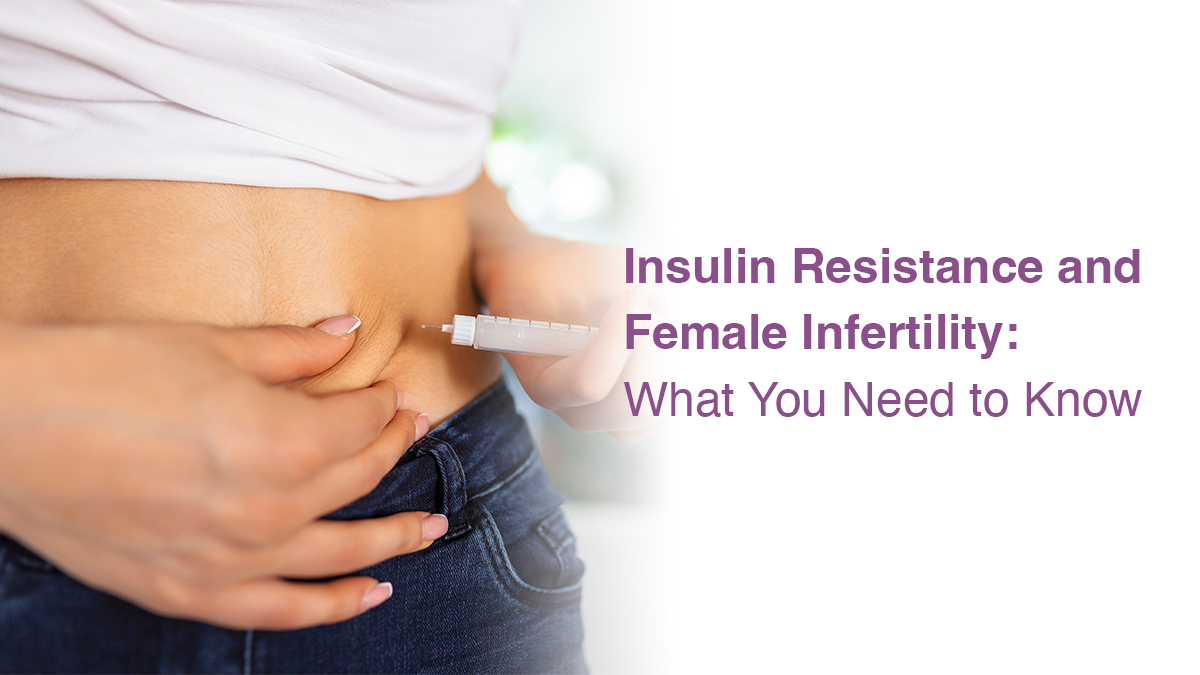
The experience of trying to conceive can be a journey filled with hope, excitement, and sometimes frustration. Many women have hidden health issues that complicate that experience. One of these issues that is often overlooked is insulin resistance. Most people think of insulin within the context of diabetes, but it can also be a huge factor for female infertility. Knowing how insulin resistance affects your body and fertility is a critical first step in effectively managing it and finding the appropriate support.
What Is Insulin Resistance?
Insulin is needed to help import sugar (glucose) from your blood into your cells so that it can be used for energy. If you have insulin resistance, your body doesn’t respond to insulin properly, which causes your pancreas to make even more insulin. Over time, this can lead to higher insulin levels in your blood.
This condition can happen without showing any symptoms at first. However, it may set off a chain of events that affect your hormones and your ability to ovulate, leading to fertility issues.
How Insulin Resistance Affects Female Reproductive Health?
Increased insulin not only affects blood glucose, but it also can disrupt the finely tuned ratios of female hormones in women. This can occur through:
- Disrupted ovulation: Too much insulin can interfere with how the ovaries work, making it harder to release a healthy egg each month.
- Hormone imbalance: High insulin levels can trigger the ovaries to produce more male hormones (androgens), which can lead to irregular cycles.
- Egg quality: Some studies show insulin resistance may also affect the quality of eggs, reducing the chances of successful conception.
As a result, insulin resistance can be a hidden reason behind female infertility and fertility issues in many women who don’t even realize they have it.
Insulin Resistance and PCOS: A Closer Look
One of the most common conditions linked with insulin resistance is Polycystic Ovary Syndrome (PCOS). In fact, up to 70% of women with PCOS have some degree of insulin resistance.
PCOS is a hormonal disorder that impacts ovulation and can lead to symptoms like:
- Irregular or missed periods
- Excess facial or body hair
- Weight gain, especially around the belly
- Acne or oily skin
When insulin resistance and PCOS are both present, they can feed off each other. High insulin makes PCOS worse, and PCOS can make your body more resistant to insulin. This vicious cycle increases the risk of female infertility and makes it harder to get pregnant naturally.
Symptoms to Watch Out For
While insulin resistance can be silent at first, here are some signs to be aware of:
- Tiredness or fatigue after eating
- Cravings for sugary or starchy foods
- Dark patches of skin, particularly around the neck or armpits
- Difficulty losing weight
- Irregular menstrual cycles
- Unexplained infertility
If you are experiencing these symptoms while trying to conceive, it’s worth speaking to a doctor about testing for insulin resistance.
Diagnosing Insulin Resistance in Women Trying to Conceive
Diagnosing insulin resistance usually involves a combination of medical history, symptoms, and lab tests. Common tests include:
- Fasting insulin levels
- Fasting blood glucose and HbA1c (a marker of average blood sugar)
- Glucose tolerance test (measures how your body deals with sugar over time)
These tests help doctors understand if insulin resistance might be contributing to your fertility issues or hormonal imbalances.
Managing Insulin Resistance to Boost Fertility
The good news? You can take steps to enhance your insulin sensitivity and boost your chances of getting pregnant. Here’s how:
1. Healthy Eating
A balanced diet low in refined carbs and high in fibre can make a big difference. Focus on:
- Whole grains
- Lean proteins
- Vegetables and fruits
- Healthy fats like nuts, seeds, and olive oil
2. Exercise Regularly
Even 30 minutes of walking, yoga, or strength training most days of the week can improve insulin resistance and balance your hormones.
3. Weight Management
If you’re overweight, even losing 5-10% of your body weight can improve ovulation and increase fertility.
4. Medications (if prescribed)
Doctors may recommend medications like metformin to help your body use insulin more effectively. This is often used in cases involving PCOS and insulin resistance.
Making these changes not only improves fertility issues but also reduces the risk of developing type 2 diabetes in the future.
When to See a Fertility Specialist?
If you’ve been trying to conceive for more than a year (or 6 months if you’re over 35) without success, it’s time to consult a fertility expert. You should also consider seeing a specialist if you:
- Have irregular or no periods
- Have been diagnosed with PCOS
- Have other signs of insulin resistance
- Are overweight with a history of infertility
A fertility doctor can guide you through personalized treatment plans that address both insulin resistance and female infertility.
Conclusion
Insulin resistance is more than just a blood sugar issue—it’s a condition that can silently disrupt your hormones and stand in the way of motherhood. By comprehending the link between insulin resistance and female infertility, women can take proactive steps to manage their health and raise their odds of conceiving. Head over to the Oasis Fertility Clinic near you to understand this issue more from reputed fertility specialists. You can also call us at 1800-3001-1000 or use our live chat option for immediate assistance.
FAQs
Can insulin resistance cause infertility even without PCOS?
Yes, insulin resistance can affect ovulation and hormone balance even in women who don’t have PCOS, leading to female infertility.
What lifestyle changes help improve insulin sensitivity for fertility?
Eating a healthy, low-carb diet, exercising regularly, managing stress, and maintaining a healthy weight can enhance insulin sensitivity.
Is insulin resistance reversible?
In many cases, yes. With consistent lifestyle changes and medical guidance, insulin resistance can be managed or even reversed.
How is insulin resistance tested in women?
Doctors use blood tests like fasting insulin, glucose tolerance tests, and HbA1c to check for insulin resistance, especially if you’re facing fertility issues.


fill up the form to get a
Free Consultation
Avail 0% interest on EMI
All Procedures | No Upper Limit
Related posts