





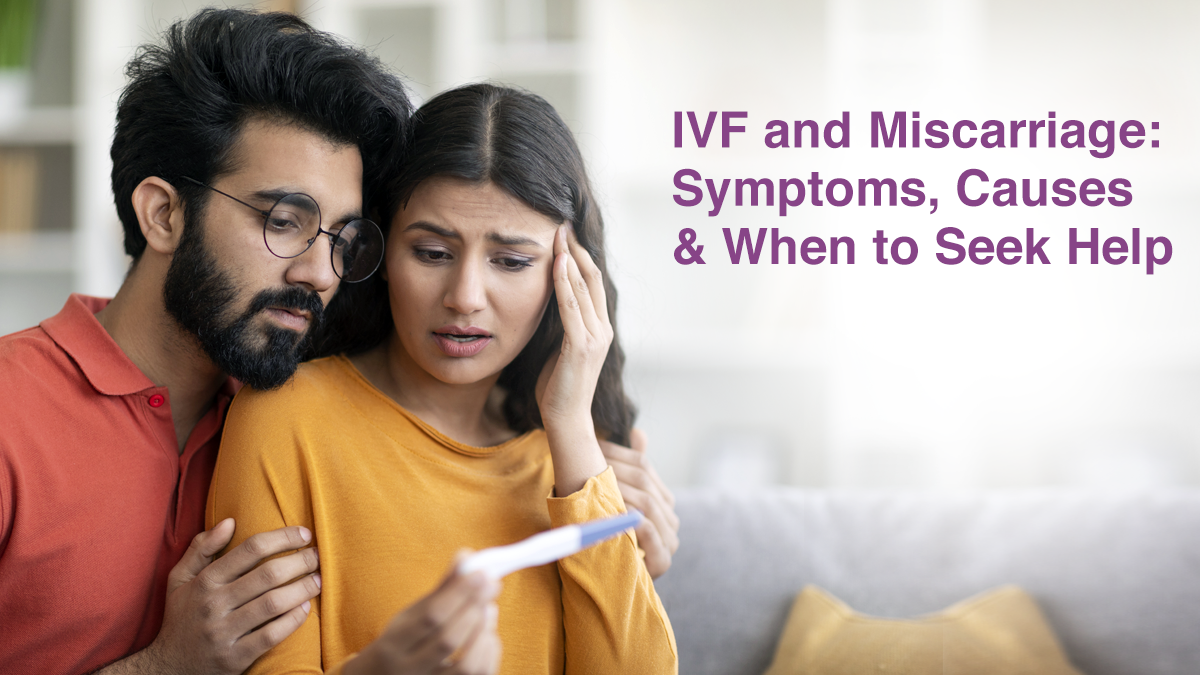
Becoming a parent through IVF entails a tremendous amount of hope, courage, and patience. But sadly, sometimes, even after you have accomplished the incredibly exciting milestone of a positive pregnancy test, things may not go as planned. One of the most painful possibilities is a miscarriage after IVF.
It can be confusing, scary, and emotionally exhausting, especially when you’ve gone through so much to conceive. This article helps you understand what to expect, what the signs are, and when it’s time to seek medical help.
We’ll break it all down into simple terms, so you feel informed and supported.
What Is IVF?
IVF refers to In Vitro Fertilization, where an egg is fertilized by sperm outside of the body. Then once the embryo is formed, the hope is that the embryo can be placed inside the uterus and implant or grow into a viable pregnancy. IVF has become a common form of treatment for couples who are having infertility issues, and it has given families around the world a lot of joy.
Understanding Miscarriage During IVF
A miscarriage after IVF is like a natural miscarriage. It means the pregnancy ends on its own before the 20th week. While IVF increases your chances of getting pregnant, it doesn’t guarantee that the pregnancy will last full-term.
Miscarriage can happen at any stage but is more likely during the first trimester. The causes may vary, and often, it has nothing to do with something you did or didn’t do.
Common Symptoms of Miscarriage After IVF
It’s important to know the signs. Recognizing IVF and miscarriage symptoms early helps you take quick action. Here are some common symptoms that may suggest an IVF miscarriage:
- Vaginal bleeding (light spotting can be normal, but heavy bleeding is a red flag)
- Cramping or abdominal pain
- Sudden stop in pregnancy symptoms like nausea or breast tenderness
- Discharge with tissue-like material
- Lower back pain
If you notice any of these IVF and miscarriage symptoms, don’t panic—but do reach out to your doctor immediately.
Potential Causes of Miscarriage in IVF Pregnancies
Several factors can lead to a miscarriage after IVF, and in many cases, it’s out of your control. Common causes include:
- Chromosomal abnormalities in the embryo
- Uterine issues such as fibroids or an irregular shape
- Hormonal imbalances, especially if progesterone is low
- Immune system problems
- Lifestyle factors like smoking or high stress
- Age, especially if the woman is over 35
Even with the best medical care, miscarriages can happen. It’s no one’s fault.
Emotional Impact of Miscarriage After IVF
An IVF miscarriage can feel devastating. You may have spent months or even years preparing for this journey, physically, emotionally, and financially. When it ends unexpectedly, it can trigger feelings of grief, anger, sadness, guilt, and hopelessness.
It’s important to allow yourself to feel your emotions. Talk to your partner, lean on your support system, or consider speaking with a counsellor who understands the emotional impact of fertility treatments and pregnancy loss.
When to Seek Medical Help?
Don’t wait if you experience any of the following:
- Heavy bleeding (more than a normal period)
- Severe abdominal pain
- Fainting or dizziness
- Fever or chills
Even if you’re just feeling unsure or anxious about a symptom, it’s okay to call your doctor. Early intervention can help manage or confirm what’s happening. It’s always better to be cautious when it comes to IVF and miscarriage symptoms.
How to Cope and What Comes Next?
Coping with a miscarriage after IVF is never easy, and it’s okay to feel a wide range of emotions: grief, anger, sadness, and even guilt. These feelings are valid, and there’s no right or wrong way to process them. Allow yourself to mourn the loss and give your body and mind the time they need to heal. Talking to your partner can provide comfort, as you’re both sharing the experience, even if you express it differently.
Opening up to a close friend or family member or joining a support group can also help ease the emotional burden. Some people find journaling helpful in releasing their thoughts and making sense of the pain. If you feel overwhelmed, seeking help from a fertility counsellor or therapist experienced in pregnancy loss can be incredibly beneficial. Once you’re ready, your doctor can guide you through what happened and help you understand your options. Many couples go on to conceive successfully after an IVF miscarriage, so don’t lose hope.
Preventive Measures and Future IVF Cycles
While not all miscarriages can be prevented, certain steps can improve your chances of future IVF attempts. Your doctor might recommend Preimplantation Genetic Testing (PGT), which helps select embryos with the best chance of developing into a healthy pregnancy. Addressing any uterine abnormalities, such as fibroids or polyps, before starting another cycle is also important.
Hormonal imbalances, particularly low progesterone levels, can be managed with supplements to support early pregnancy. Additionally, adopting a healthier lifestyle can make a difference: quit smoking, reduce caffeine and alcohol intake, maintain a balanced diet, and manage stress levels. Regular moderate exercise and good sleep can also support overall fertility. Every situation is unique, so your fertility specialist will create a personalized plan to reduce risks in your next cycle. With the right care and a bit more time, many couples find renewed hope and success in future IVF journeys.
Conclusion
A miscarriage after IVF can be one of the most heart-wrenching experiences for hopeful parents. Many couples face this challenge and go on to have successful pregnancies later. By understanding the IVF and miscarriage symptoms, causes, and when to seek help, you’re taking the right steps toward healing and hope. If you wish to learn more, discuss with the fertility specialists of the Oasis Fertility Clinic near you for better understanding. You can also contact us on 1800-3001-1000 or use our live chat option for prompt assistance.
FAQs
Is miscarriage more common with IVF pregnancies?
Miscarriage rates are slightly higher in IVF, especially with older age or certain health conditions, but many IVF pregnancies still progress normally.
Can I try IVF again after a miscarriage?
Yes, many couples go on to have successful IVF pregnancies after a miscarriage. Your doctor may adjust your treatment plan for better results.
How soon should I consult a doctor if I suspect a miscarriage post-IVF?
Immediately. If you notice bleeding, cramping, or other concerning symptoms, contact your fertility clinic or doctor right away.


fill up the form to get a
Free Consultation
Avail 0% interest on EMI
All Procedures | No Upper Limit
Related posts