





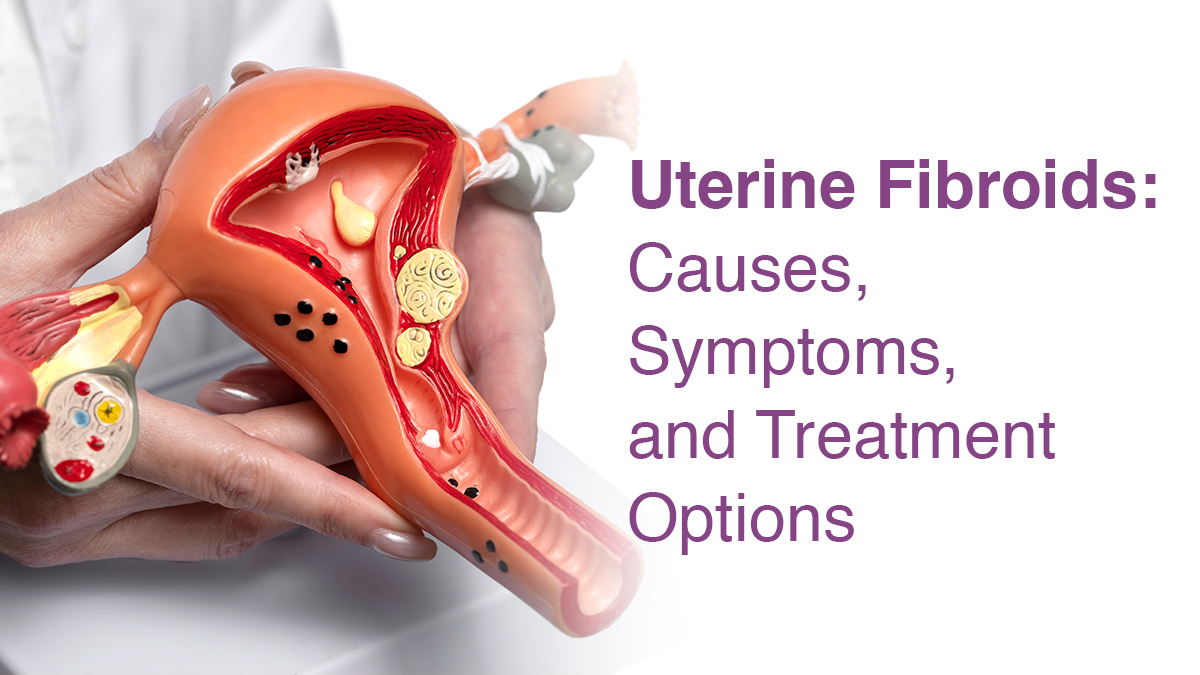
Uterine fibroids are non-cancerous growths that develop in the muscle layer of the uterus, also known as the womb. They are common during the reproductive years, and many women have them without any major symptoms. In some cases, fibroids lead to heavy or painful periods, pelvic pressure or difficulty with conception. Most fibroids do not need treatment unless they cause discomfort or complications.
In this article you will learn more about uterine fibroids, its causes, symptoms and when you should consult a doctor for the same.
What Are Uterine Fibroids?
Uterine fibroids are muscle tissue growths that develop in or around the uterus. A fibroid forms from the muscle tissue of the uterus and can differ in size, from as small as a seed to as large as a melon. Some women may have a single fibroid, while others may have multiple fibroids at the same time.
Types of Uterine Fibroids
Fibroids can be classified based on where they grow in the uterus:
- Intramural fibroid: Grows within the muscular wall of the uterus and is the most common type.
- Submucosal fibroid: Grows just beneath the inner lining of the uterus and may cause heavy bleeding.
- Subserosal fibroid: Are growths that develop on the outer surface of the uterus and can press on nearby organs.
- Pedunculated fibroid: Attached to the uterus by a stalk-like structure.
Causes and Risk Factors of Uterine Fibroids
The cause of uterine fibroids is not clearly known. However, hormones like oestrogen and progesterone play a key role in fibroid growth. Some common risk factors include:
- Family history of fibroids
- Early onset of periods
- Obesity
- Low vitamin D levels
Women in their 30s and 40s are more likely to develop a fibroid compared to younger women.
Signs and Symptoms of Uterine Fibroids
Many women with a fibroid may not notice any symptoms. When symptoms do appear, they may include:
- Heavy or prolonged menstrual bleeding
- Pelvic pain or pressure
- Frequent urination
- Pain during intercourse
- Lower back pain
- Difficulty emptying the bladder
The severity of symptoms often depends on the size, number, and location of the fibroid.
When Do Uterine Fibroids Become a Concern?
Uterine fibroids become a concern when they start affecting quality of life. Severe pain, very heavy periods, anaemia, or fertility issues may require medical attention. A fibroid that grows rapidly or causes persistent discomfort should not be ignored.
How Uterine Fibroids Are Diagnosed
Doctors usually diagnose uterine fibroids during a pelvic examination. Imaging tests help confirm the diagnosis and understand the size and location of the fibroid. These may include:
- MRI scan
- Hysteroscopy (in selected cases)
Early diagnosis helps in planning the right treatment approach.
Impact of Uterine Fibroids on Fertility and Pregnancy
A fibroid may affect fertility depending on its location. Submucosal fibroids, in particular, can interfere with implantation or increase the risk of miscarriage. During pregnancy, a woman with fibroids may experience pain, preterm labour, or delivery complications. However, many women with fibroids can conceive and have healthy pregnancies with proper medical care.
Treatment Options for Uterine Fibroids
The treatment for uterine fibroids depends on symptoms, age, size of the fibroid, and future pregnancy plans. Options include:
- Watchful waiting: For small fibroids with no symptoms
- Medications: To control hormones, pain, or heavy bleeding
- Minimally invasive procedures: Like a uterine artery embolisation
- Surgery: Myomectomy (removal of fibroid) or hysterectomy in severe cases
Your doctor will suggest one of these options based on your condition.
Lifestyle Management and Self-Care Tips
While lifestyle changes cannot remove a fibroid, they may help manage symptoms:
- Maintain a healthy weight
- Eat a diet that is rich in whole fruits and vegetables
- Exercise regularly
- Manage stress through yoga or meditation
- Attend regular gynaecological check-ups
When to See a Doctor
You should consult a doctor if you experience heavy bleeding, severe pelvic pain, difficulty conceiving, or sudden worsening of symptoms. Early medical advice can prevent complications related to uterine fibroids.
Book a free consultation with our clinic to learn more.
Key Takeaways
Uterine fibroids are common and usually non-cancerous. With early diagnosis and proper treatment, most women can manage a fibroid effectively and lead a healthy life. If you have symptoms or concerns, speaking to a fertility or women’s health specialist can provide clarity and reassurance. At Oasis Fertility, experienced specialists offer comprehensive evaluation and fertility-focused care to help women make informed decisions and move forward with confidence.


fill up the form to get a
Free Consultation
Avail 0% interest on EMI
All Procedures | No Upper Limit
Frequently Asked Questions
Can uterine fibroids go away on their own?
Do uterine fibroids always require treatment?
Can uterine fibroids affect pregnancy or fertility?
Are uterine fibroids cancerous?
Related posts