





Infertility can be a challenging journey mentally and physically for couples, especially for women who are trying to conceive. Sometimes, even after going through multiple medical evaluations, doctors may not find a clear reason as to why you are not able to conceive. This condition is known as unexplained infertility. Understanding what it means, its possible causes, and the challenges couples face can help in managing expectations and exploring effective treatment options.
What Is Unexplained Infertility?
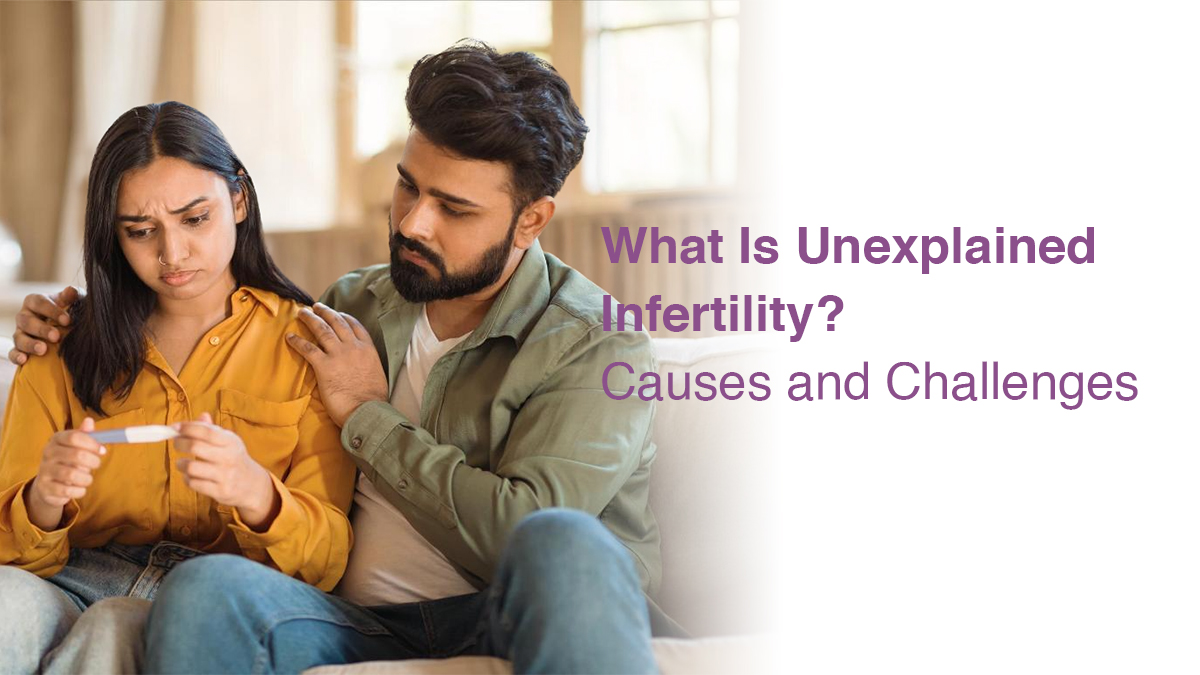
Unexplained infertility is diagnosed when a couple is not able to conceive naturally after 12 months of regular, unprotected intercourse, and standard fertility tests show normal results. In other words, routine examinations of the male and female reproductive systems do not reveal any problems, yet conception remains elusive.
Why It’s Called “Unexplained”?
The term “unexplained” can be frustrating, but it simply means that current medical tests haven’t identified a specific cause. It does not imply that conception is impossible; many couples with unexplained infertility can also get pregnant naturally or with treatment.
How Is It Diagnosed?
Diagnosing unexplained infertility involves ruling out known fertility issues in both partners. Common diagnostic steps include:
- Ovulation testing to ensure eggs are being released regularly.
- Semen analysis to check sperm count, shape, and motility.
- Hormone level assessments in both partners.
- Imaging tests, like ultrasounds or hysterosalpingography (HSG), are used to examine the ovaries and uterus for irregularities.
When all these tests show normal results and conception still does not occur, doctors may classify the infertility as unexplained.
Possible Causes Of Unexplained Infertility
If even after standard tests appear normal, there may be subtle issues that can contribute to infertility. It can include:
Egg Quality Issues
The age and health of a woman’s eggs are commonly known factors that affect fertility in women. Even with regular ovulation, eggs may have chromosomal abnormalities or reduced quality that prevent successful fertilisation.
Sperm Function Problems
A normal semen analysis may not always guarantee optimal sperm function. Sperm analysis checks for sperm morphology, quantity and motility, while semen analysis also checks the pH, volume, viscosity, colour, among other physical factors. These tests may not identify issues like sperm DNA fragmentation or reduced ability to penetrate the egg can affect conception.
Fertilisation or Implantation Barriers
At times, the egg may be fertilised, but the embryo fails to implant properly in the uterus lining. It can result from minor uterine abnormalities, hormone fluctuation or issues with the embryo itself.
Immunological Factors
The body’s immune system can sometimes attack sperm, eggs, or embryos, making implantation or pregnancy difficult.
Subtle Hormonal Imbalances
There may be light irregularities in hormone levels, such as thyroid hormones or prolactin, that can affect fertility without showing obvious signs in standard testing.
Common Challenges Faced by Couples
Experiencing unexplained infertility can create unique challenges:
Emotional and Mental Health Strain
The uncertainty of unexplained infertility can sometimes lead to stress, anxiety, and feelings of isolation. You should look for emotional support and counselling during this time and maintain a good support system.
Frustration of No Clear Answer
Not knowing the cause can be particularly frustrating, making it difficult for couples to feel in control of their fertility journey.
Delays in Treatment
As the underlying cause is unknown, treatment planning may be complicated, often involves more trial and error until the doctor can find an effective approach.
Treatment Options Available
Even if the cause of infertility is not clear, several treatments improve the chances of conception:
Lifestyle Modifications
- Maintaining a healthy weight
- Balanced diet rich in vitamins and minerals
- Reducing alcohol intake and quitting smoking
- Managing stress through relaxation techniques or therapy
Fertility Medications
Fertility medications may be prescribed to help stimulate your ovaries to ovulate and improve fertility.
IUI and IVF Considerations
- Intrauterine insemination (IUI): Washed and processed sperm are placed directly into the uterus at the same time your body naturally ovulates to increase the chances of fertilisation.
- In vitro fertilisation (IVF): The eggs and sperm are fertilised in a lab outside the body. These embryos are observed and graded; the best embryo is transferred to the uterus. IVF is an extensive procedure and is often the last resort after other methods are unsuccessful.
Emerging and Alternative Therapies
Some couples will look for complementary therapy options like acupuncture or supplements, but again, be sure to discuss your plans with your fertility doctor. If you are considering any non-traditional option, you can be sure the treatments are safe during fertility treatments.
When to Seek Help?
Couples should seek medical advice if:
- You have been trying to conceive for 12 months without success (or six months if the woman is over 35).
- There are known risk factors, such as irregular periods, a history of infections, or previous reproductive surgery.
- Early evaluation can provide clarity, support, and timely interventions.
Coping Mechanisms and Support
Having to deal with unexplained infertility can take a toll on your mental health. Couples can benefit from:
- Support groups to share experiences
- If you think you need professional help, don’t hesitate to seek professional counselling
- Open communication between you and your partner at every stage, and share how you feel about the decision you need to make.
- Focus on activities that will reduce stress and improve well-being.
Conclusion
Unexplained infertility may feel overwhelming, but many couples successfully conceive with proper guidance and treatment. Oasis Fertility offers expert care and personalised fertility solutions to support couples on their journey. Contact Oasis Fertility at 1800 3001 1000 for consultation and guidance.
FAQs
What makes infertility “unexplained”?
It is considered unexplained when standard fertility tests show normal results, yet conception does not occur.
Can unexplained infertility resolve on its own?
Yes, some couples conceive naturally over time, especially if they are younger and have no other health issues.
How successful is IVF for unexplained infertility?
IVF can increase the chances of pregnancy. While it is often recommended when other treatments fail, the results will depend from case to case.
Is age a factor in unexplained infertility?
Yes, age affects egg quality in women and sperm health in men, impacting the likelihood of conception.


fill up the form to get a
Free Consultation
Avail 0% interest on EMI
All Procedures | No Upper Limit
Related posts